



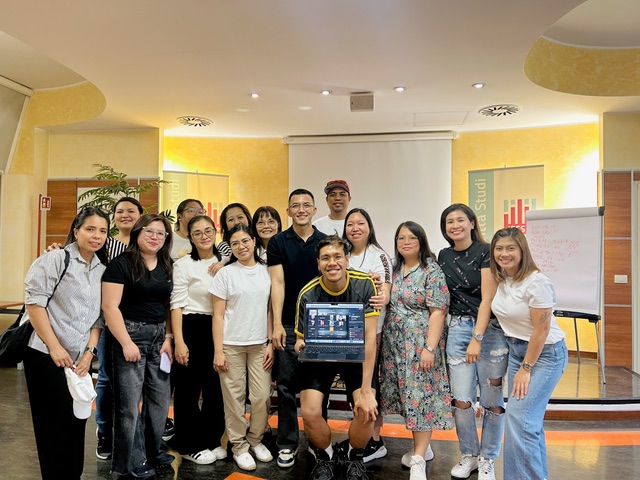

Every Thursday, a room on Via Andrea Maria Ampère in Milan fills with Filipino nurses practicing IV insertion, working through quizzes and talking through clinical cases, all in Italian. Participants pay nothing to attend, and the volunteers leading the sessions are working nurses who fit the effort around their own hospital duties.

The weekly review is the steadiest activity of Pinoy Nurses in Italy (PNI), a volunteer-run community that has lately been holding free refresher courses, advising members on how to secure professional recognition and registration in Italy, and linking Filipino nurses living in different parts of the country. Around 350 nurses are now part of its group chats.
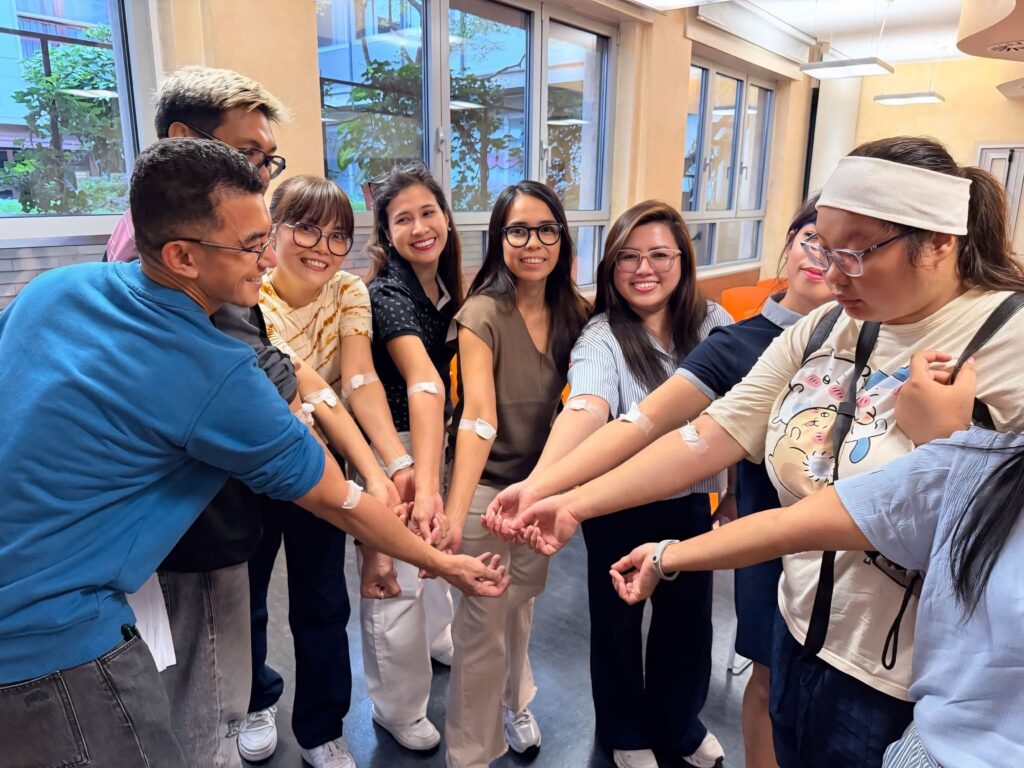
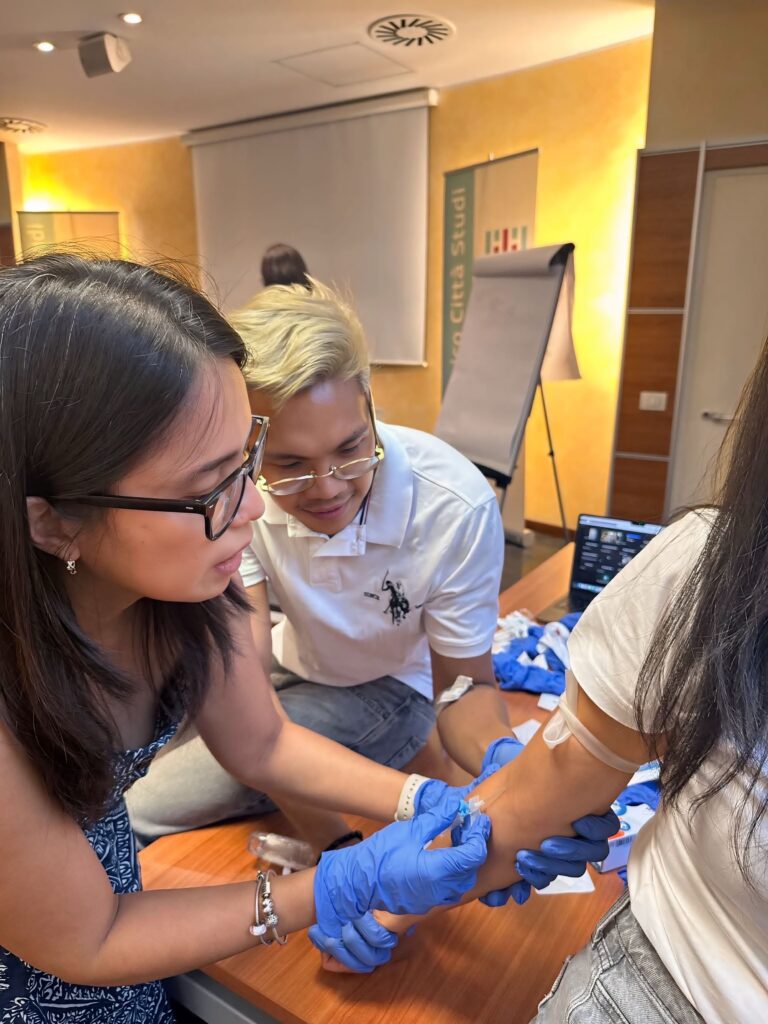
Much of the classroom time goes to nurses who must take the Prova Attitudinale as part of their recognition process. Because the drills and discussions are conducted in Italian, attendees sharpen their clinical knowledge while getting used to the terminology and nursing situations they are likely to face in the exam.
At least 10 nurses who attended have since been granted professional recognition in Italy. Several had spent years working as caregivers, domestic helpers or in jobs outside healthcare before finding their way back to nursing. PNI regards the figure as an early milestone, not a large one, and hopes to bring many more of its members through the same process.
The community traces its roots to Edilberto “Edi” Cipres Jr. and Marlowe Berioso, two nurses who were already running free review sessions and offering guidance and peer support to colleagues before the effort had a name. Edi practices as a nurse in Italy, holds a Master in Nursing Management and is pursuing a PhD major in Science Education. His 2025 Nursing Now Italy Award brought wider notice to the support work he had started, and it was through Edi’s connections in the local healthcare community that PNI obtained the Milan venue free of charge.
Marlowe, who holds a Master in Critical Care Nursing and works in the emergency department of Ospedale di Saronno, carries much of the clinical load, particularly the refresher sessions and the preparation of nurses for recognition and practice.

PNI’s online reach came from Guian Aiko Quita-Bolarde, a registered nurse now taking a master’s in marketing and communications in Turin. After seeing what Edi and Marlowe had built, Guian launched the group’s social media presence so it could reach nurses beyond its immediate network, and she now heads its communications, content and outreach. All three leaders come from emergency room nursing.
The group is aiming mainly at Filipino nurses already in Italy who have left the profession, are working in other roles, or do not know how to begin the recognition process. Many remain registered nurses in the Philippines, with years of schooling and clinical experience behind them. What they tend to lack, according to PNI, is a clear route, dependable information and people who can walk them through it. Beyond recognition, the community wants to stay with nurses through to employment whenever openings arise.
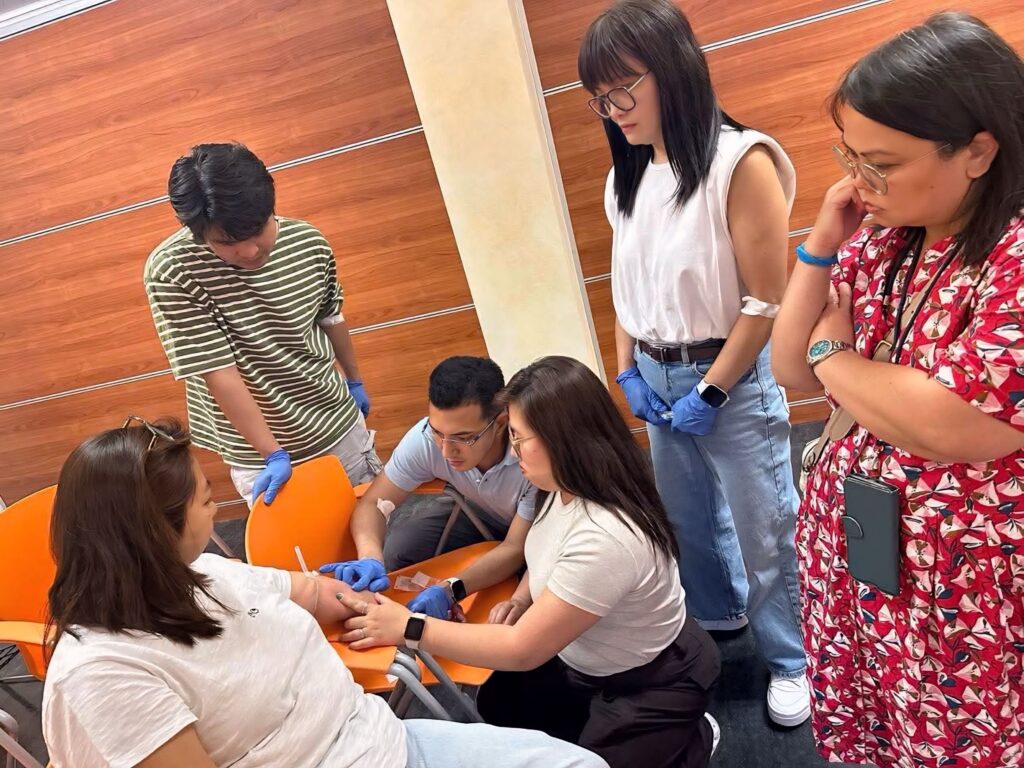
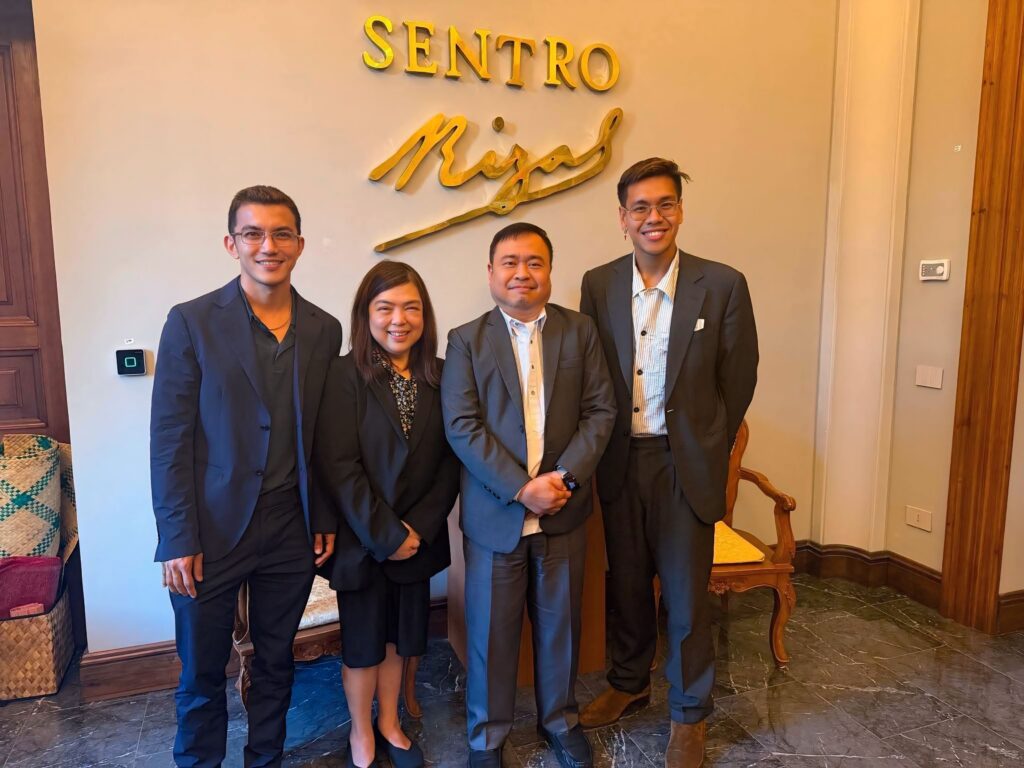
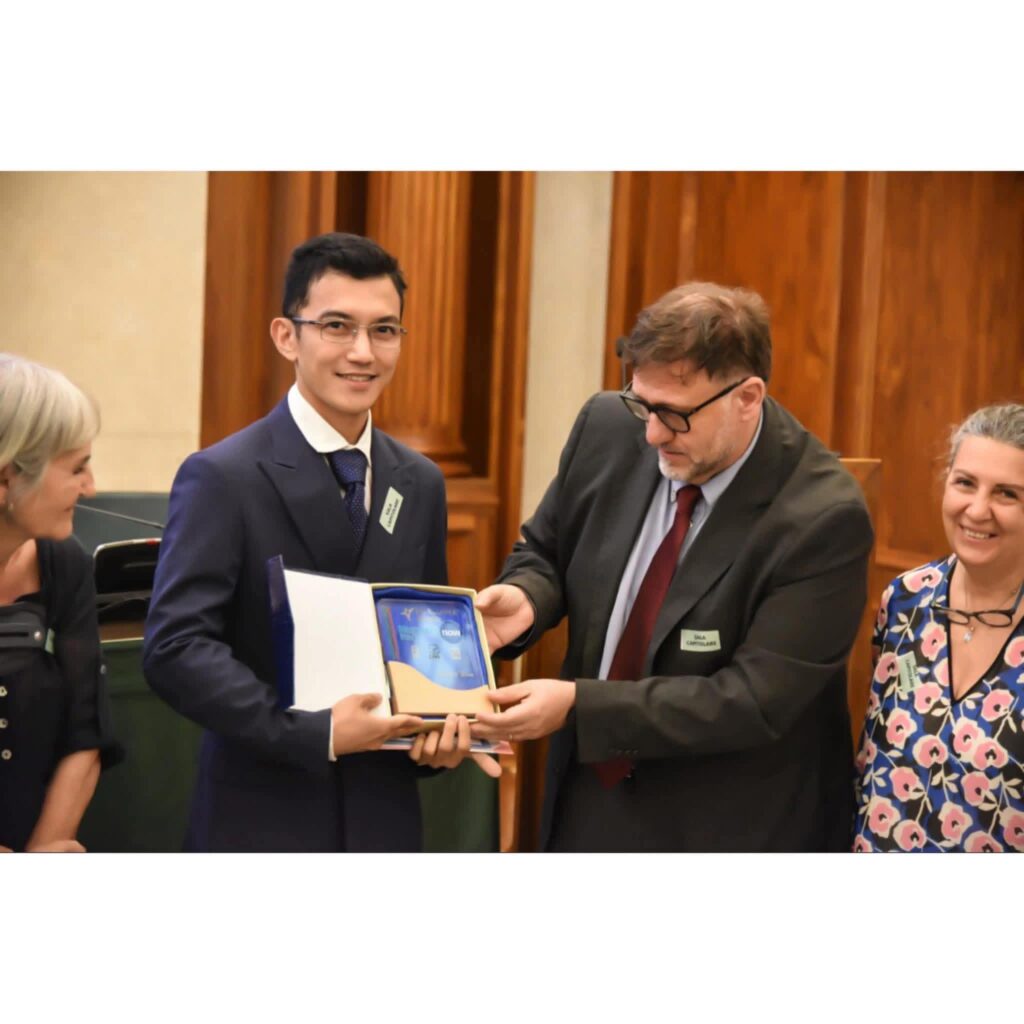
“Our advocacy is simple, we want more Filipino nurses in Italy to know that returning to professional practice is possible, and that they do not have to figure out the process alone,” the group said.
PNI also wants Italy counted among the destinations Filipino nurses consider abroad, a conversation usually dominated by the United Kingdom, the United States, Australia and Germany. The founders point out that Filipino nurses are already practicing successfully in Italy, and that others living there hold the qualifications and experience to do the same.
The group has compiled a list of more than 200 PRC-registered Filipino nurses in Italy who voluntarily submitted their details, and presented it to the Philippine Embassy in Rome to make their presence more visible and to support possible future employment and professional placement initiatives.
