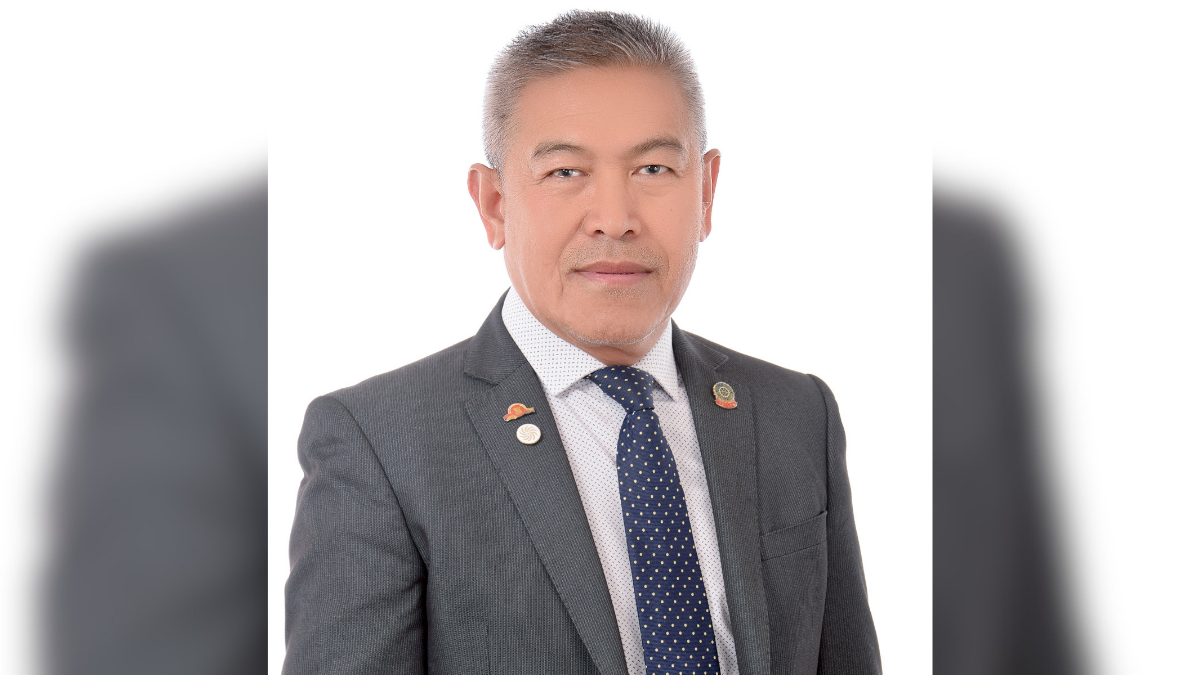

Some careers are constructed the way buildings are — foundation first, then floor by floor, each level bearing the weight of the one below it. Sultan Engr. Shayed Mamayog has spent more than three decades doing exactly that, except the structure he was raising was his own life. Today he is project manager at a contracting firm in Al-Khobar, Saudi Arabia, overseeing the construction of a Marriott hotel. But the more interesting story is everything that had to be poured and cured before he could stand on that site.

He left the Philippines in 1992. He has not really come home since — not to stay, anyway. Across thirty-four years he has worked in Jubail, Jeddah, Abu Dhabi, Dubai, and now Al-Khobar again, a circuit of Gulf cities that reads less like a résumé and more like a map of where the work took him.
Leaving with little, betting on more
The decision to go abroad was not complicated, and he does not dress it up. After graduating with a degree in mechanical engineering from Misamis University in Ozamiz City and passing his licensure board, he spent two and a half years at a resin and sand company in Quezon City. Then, by his own account, he left for what he plainly calls “greener pasture and even without long experience.”
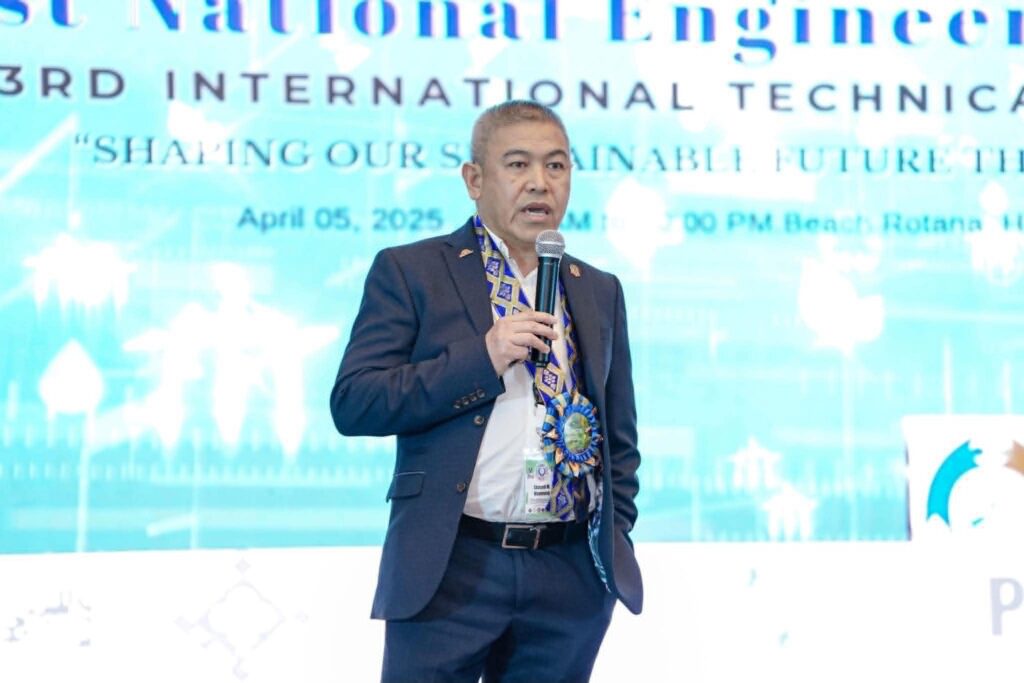
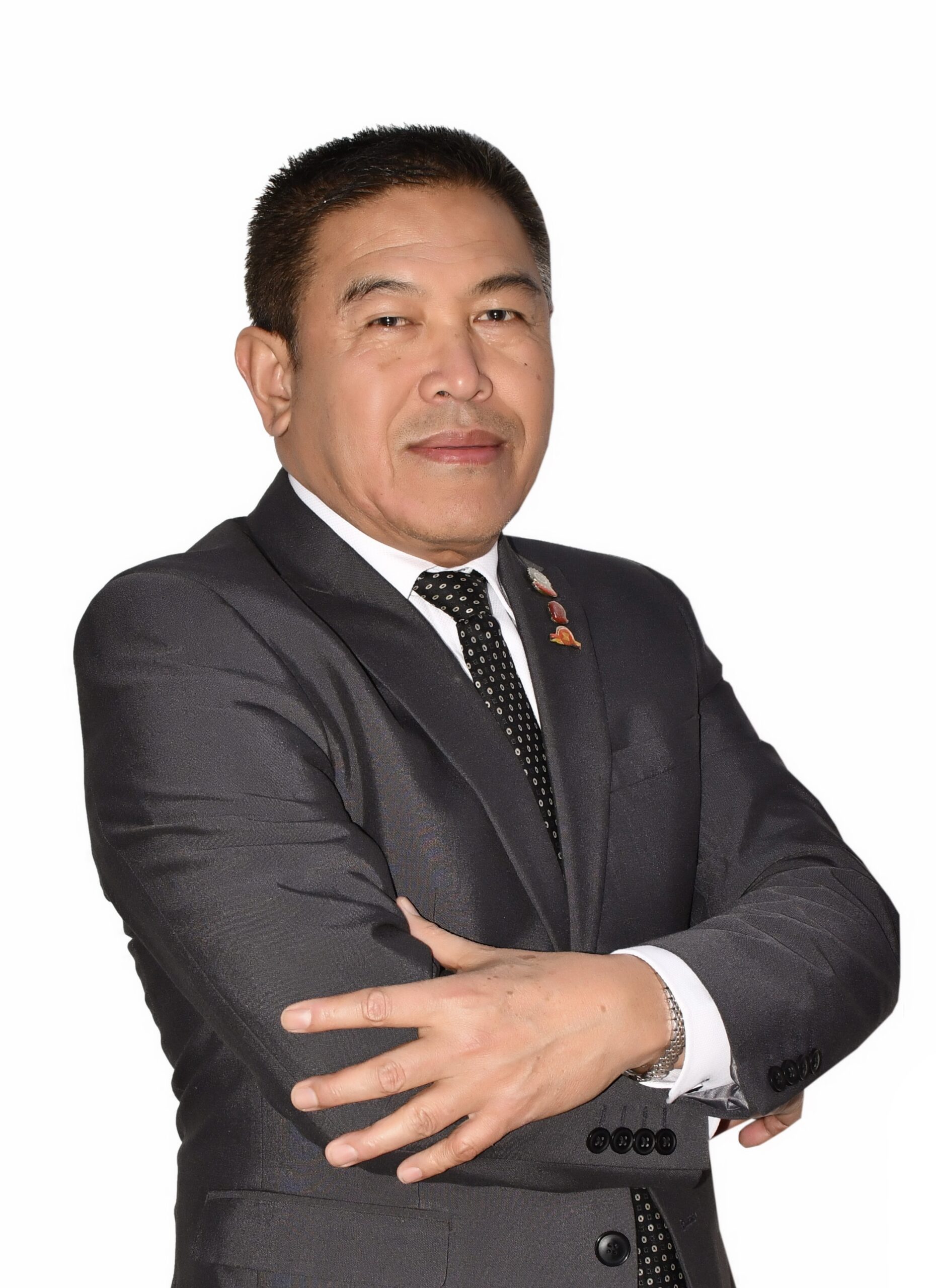
That candor is characteristic. He applied to Arabian FAL Company and was accepted as a mechanical engineer in Jubail in January 1992 — young, lightly experienced, and willing to gamble that the Gulf would teach him faster than home could. His reasoning was unsentimental: he wanted “latest technological experience, knowledge and skills to grow in my chosen profession as Mechanical Engineer,” and he wanted the salary that came with the title of project manager. He has never pretended the money was beside the point. What he insists, instead, is that it was never the whole point.
The early years were a slow climb through engineering roles — mechanical engineer, then project engineer, rotating between Jubail and Jeddah until 2006. Then, in 2007, the work shifted countries. An Australian firm, Hastie International, had moved into the United Arab Emirates, and he joined as senior project engineer. His first assignment there was Dalma Mall in Abu Dhabi’s industrial city, at the time the largest shopping center in ICAD. He came on as a senior project engineer and left as a construction manager — the kind of promotion that happens on a job site rather than in an office, earned by delivering something enormous and complicated on schedule.
The long middle, and a sudden turn
Dalma Mall opened the next door. In late 2011 he moved to Majid Al Futtaim, the company behind Carrefour’s regional operations, joining its business and technical division as a project manager and rising to senior project manager. He stayed nearly fourteen years, working across Dubai and Abu Dhabi. By any reasonable measure, that is where a career settles — a senior title, a major employer, a city he knew, more than a decade of stability.
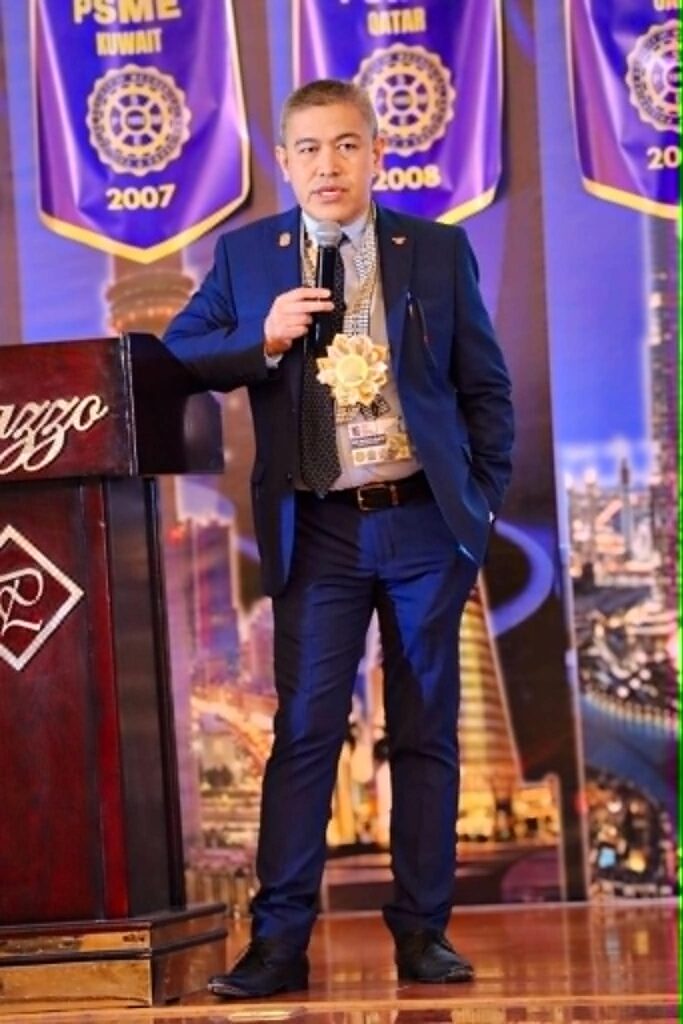
Then it ended. In 2025, the company restructured, and he left the UAE in May after eighteen years in the country. At fifty-nine, with most of his professional life rooted in the Emirates, he could have read that as the beginning of the end. He did not. By September he was back in Saudi Arabia, where he had started, signing on with Specialized Contracting Company Ltd. in Al-Khobar as a project manager for mechanical, electrical, and plumbing works.

His current project is a Marriott hotel — two basement levels, a ground floor, and six storeys — for the developer RETAL, a subsidiary of Alfozan Holding. He is pointed about why it satisfies him. The Marriott name carries weight, the client is among the region’s stronger urban developers, and the supervising consultants from EHAF are, in his words, “top caliber engineers, managers and directors in Saudi Arabia.” After thirty-four years, he still measures a job partly by the quality of the people he has to answer to. That he was hired on the strength of his eighteen UAE years tells its own story: the country he left did not leave him.
The credentials, and the crown
Run down the list of what he has accumulated and it starts to read like a small institution. He is a Project Management Professional and a Risk Management Professional, both certified by the U.S.-based Project Management Institute. He earned an MBA from Philippine Christian University’s Middle East campus in Dubai in 2011. In 2016 he became, by his account, the first ASEAN Chartered Professional Engineer in mechanical engineering specializing in HVAC in the Middle East, registered across all ten ASEAN countries. He was among the first batch of Professional Mechanical Engineers licensed in the UAE, in 2010. He has been named an ASEAN Engineer, an Advance Professional Mechanical Engineer, a Fellow of the Philippine Society of Mechanical Engineers, and three times an Outstanding Project Manager. In January 2026 he became chairman of PSME’s Project Management Technical Division.
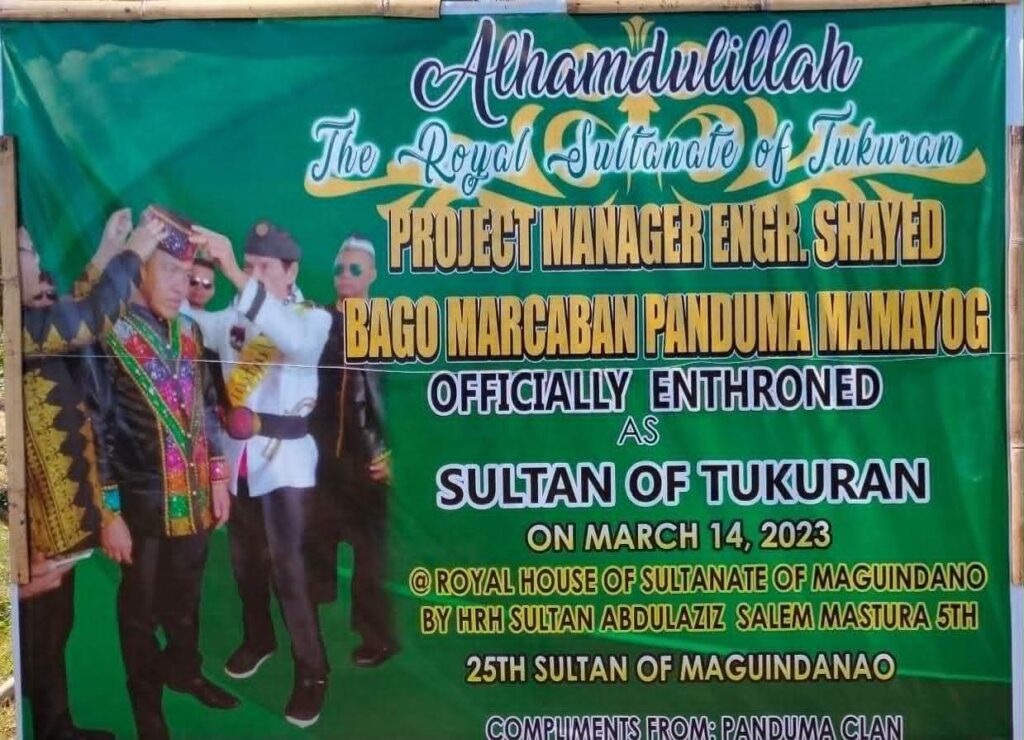
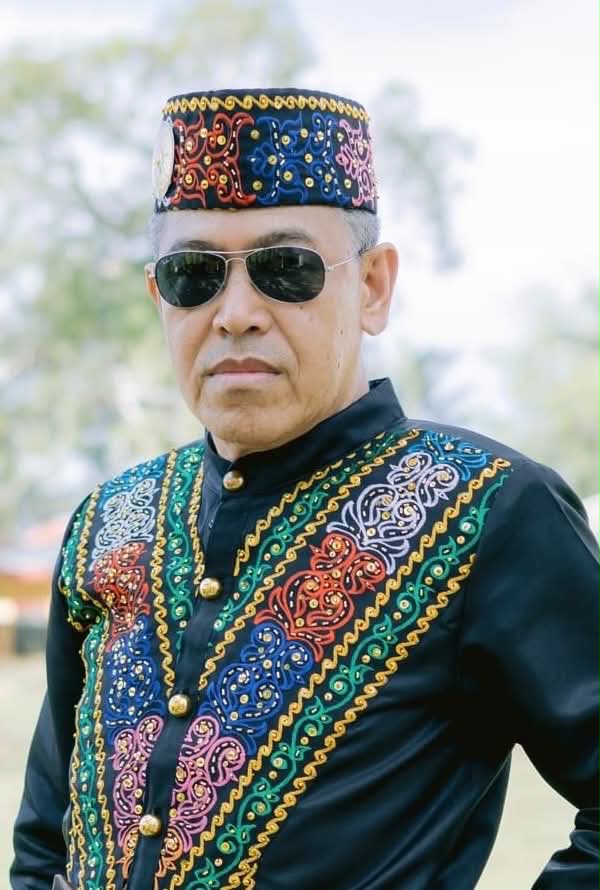
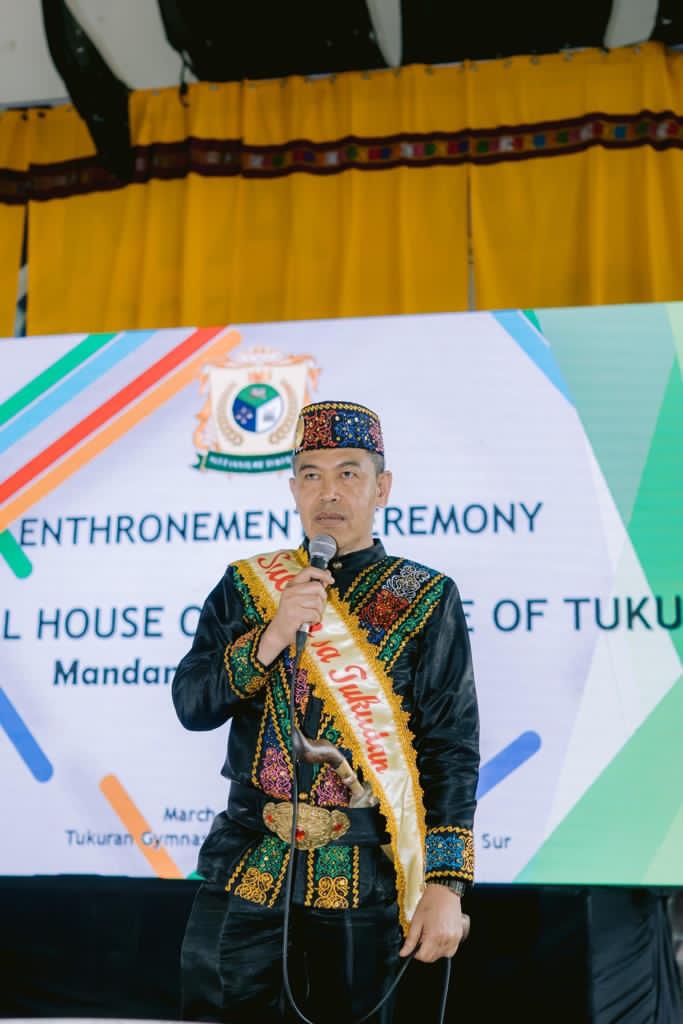
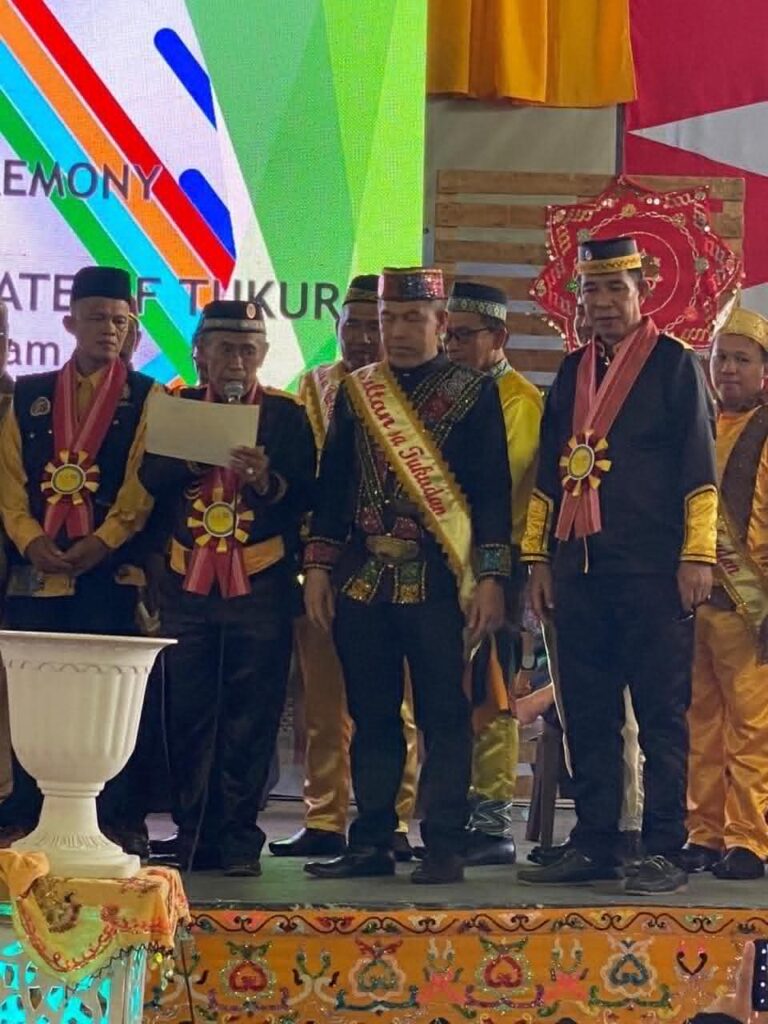
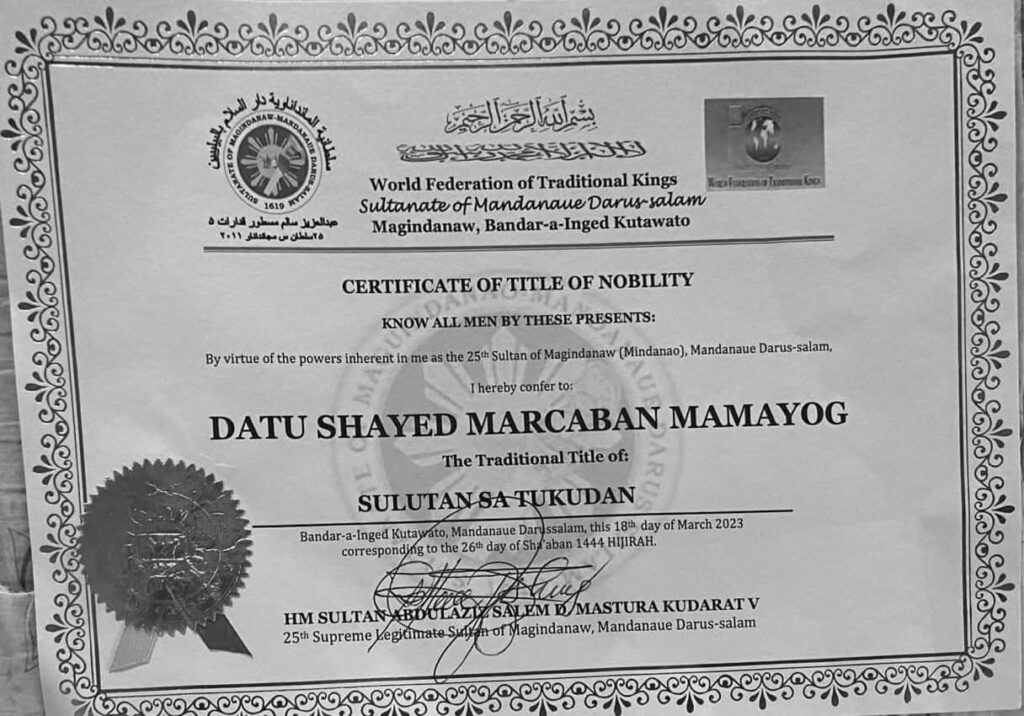
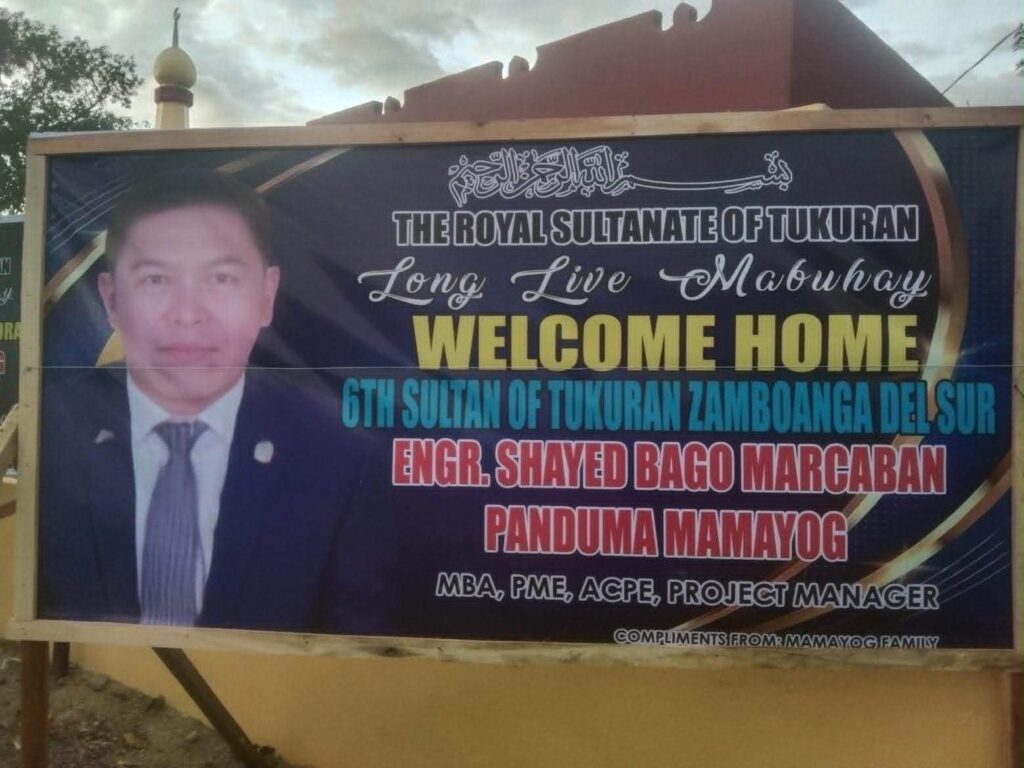
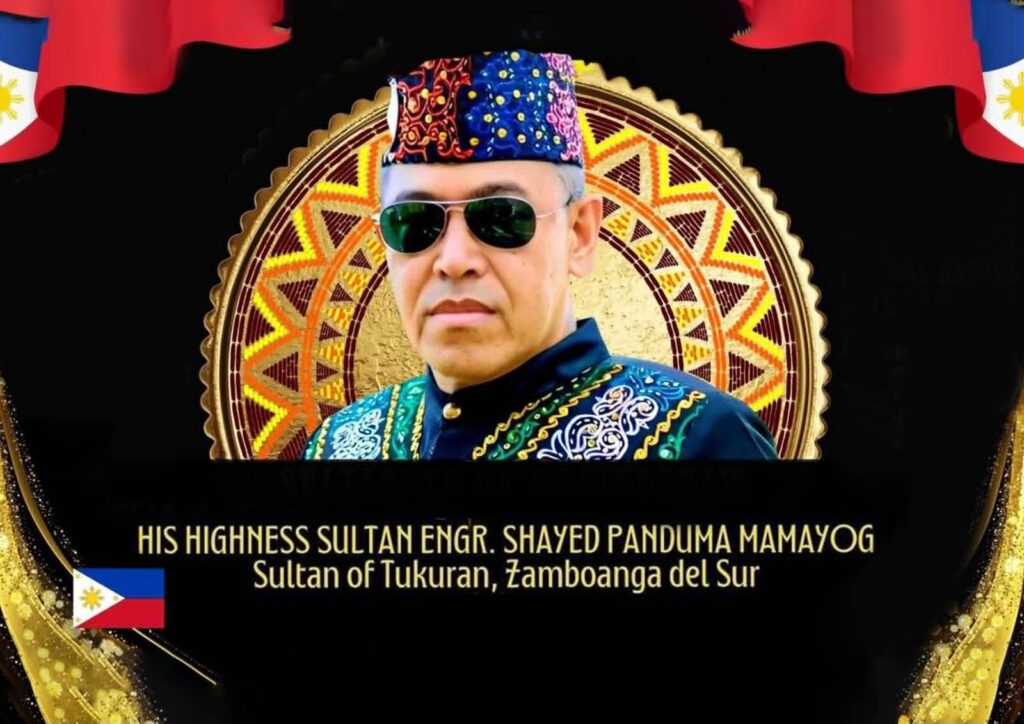
And then there is the part of his life that has nothing to do with construction at all. In March 2023, in Cotabato City, he was enthroned as the sixth Sultan of Tukuran in Zamboanga del Sur — a hereditary leadership title conferred on him by the 25th Sultan of Maguindanao. The engineer who spends his days on Gulf job sites is, back home, a reigning Muslim leader. He mentions it almost as an aside, asking permission before he does: “in parallel to my professional career as Project Manager, I am a noble Muslim leader as Sultan.” It is the rare detail that reframes everything around it.
What the distance taught him
For all the awards, he is clear-eyed about the cost. The hardest part, he says, was never the work. It was the homesickness, the missed family events, the loneliness of the first months in a new country, the “emotional stress from being away from spouse, children, and parents.” He managed it the way most overseas Filipinos do — video calls, messaging apps, leaning on professional societies and Filipino community groups, and keeping his eyes fixed on the long-term goal rather than the daily ache.
He is just as frank about the financial pressure, the assumption back home that an OFW can solve every problem with a remittance. His answer was discipline: focus on facts rather than emotions, maintain professionalism, keep control. Out of all of it he draws a conclusion that doubles as his definition of success — that it “is not measured solely by salary but by the ability to endure challenges while remaining committed to family, professional growth, and personal values.”
Now sixty, he talks about the Philippines as a destination rather than a memory. He wants to return not just with savings but with what he calls global experience and leadership skills — to consult, to mentor younger engineers, to put thirty-four years of Gulf project sites to work on home soil. His advice to the kababayans still in the thick of it is the kind earned rather than borrowed: live within your means, keep learning, choose your company wisely, and never lose sight of why you left. “The road of an OFW is not always easy,” he says, “but perseverance, integrity, and hope can turn today’s struggles into tomorrow’s success.”
He should know. He has been laying that road, one project at a time, for thirty-four years.