



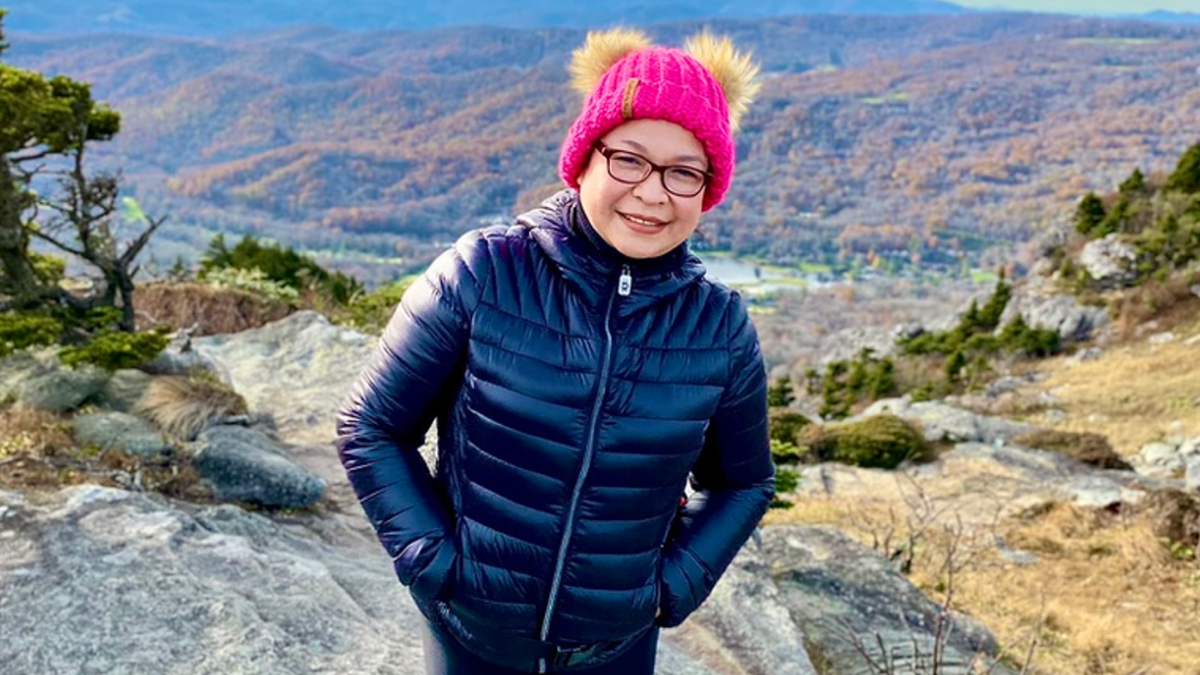

The month a Filipina teacher passes the public school principal’s examination is usually the month she starts measuring her office, picturing the nameplate, imagining the career that comes with it. In 2009, that same month, another email arrived — an invitation to leave the country entirely and start over as a special education teacher in South Carolina. Portia Berana-Jurado, Dev.Ed.D., stared at two open doors and understood that she could only walk through one.

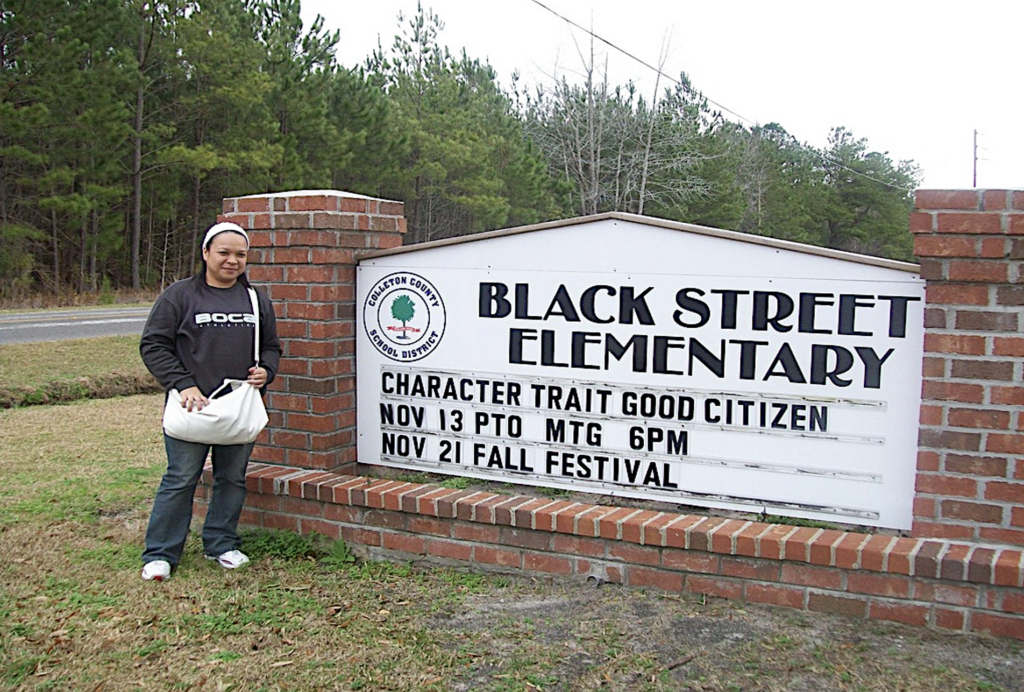
She was not new to the classroom. By then she had given the Department of Education 18 years and climbed to Master Teacher II, a rank that carried weight and, more importantly, security. The principalship would have been the natural next rung. Instead, she chose the door that led away from everything familiar — halfway across the world, to a kindergarten class at Black Street Early Childhood Center in Colleton County School District, Walterboro.
Colleagues thought she had thrown away a promising administrative career. She saw it as an investment. “I was investing in knowledge that no promotion could ever replace,” she shares with TGFM. Seventeen years and three separate American postings later, that single decision has come to look less like a gamble and more like the first move in a plan she is still executing.
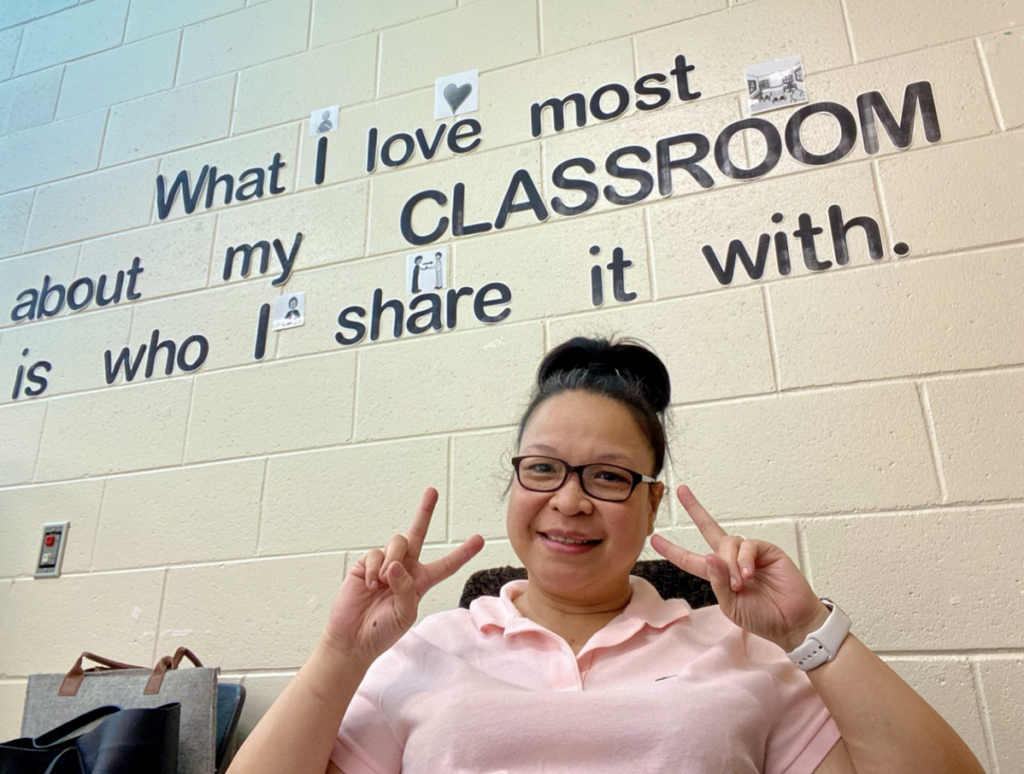
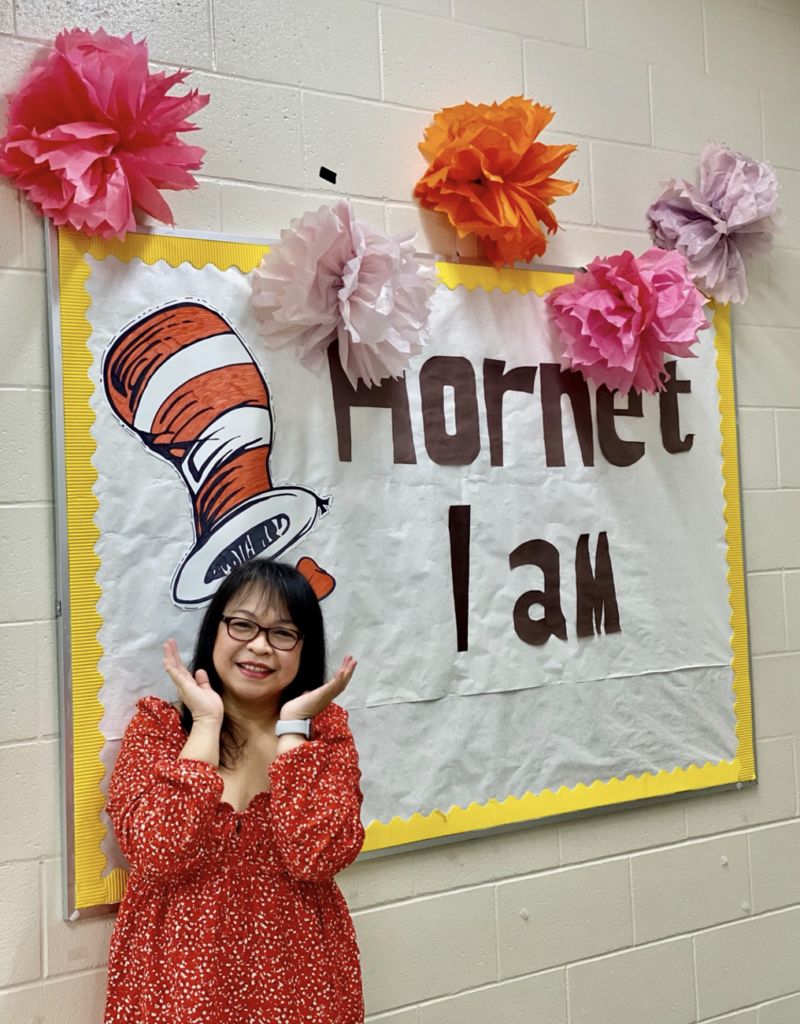
The reason behind the leap
There was a private reason folded inside the professional one. Portia’s son has ADHD, and she wanted to understand special education at the deepest level she could reach — not from a textbook but from inside a real classroom, in a system built around inclusion.
“I dreamed that one day I could return home better equipped to advocate for him and for thousands of Filipino children with disabilities,” the veteran educator recalls. It reframed the sacrifice. Every mile between Walterboro and home was, in her mind, an investment that would eventually pay out to families she had not yet met.
Leaving still cost something. Her husband would join her a year later on a J-2 visa, but their three children stayed in the Philippines, raised for those years by their grandparents, both retired teachers. It was the arithmetic that overseas Filipino families know by heart — presence traded for a future.
The transition was cushioned by Foreign Academic and Cultural Exchange Services, or FACES, the organization that had recruited her. It turned out to be more than a visa sponsor. It handled airfare and hotel accommodation during orientation, helped her secure a Social Security Number, and guided her through the small logistics that overwhelm a newcomer — a reliable cellphone, affordable transportation, a place to live. Back in 2009, Filipino teachers in the United States were still a rarity, and Portia counts herself among the pioneers who carried lesson plans and family hopes in the same suitcase.
What a classroom really asks
Nothing prepares a teacher for a room full of children with significant disabilities. The kindergarten class was small, but each student needed intensive one-on-one instruction, and each was paired with a dedicated paraprofessional. By the end of every school day she was physically wrung out.
The work stretched well past academics. She and her team changed diapers, managed tube feeding, and taught the things most people never think to teach — communication, daily living skills, social interaction, independence. The wins were small and enormous at once. A child making eye contact. A child expressing a need. A child mastering a task that looked simple from the outside and was anything but.
“Every small achievement felt like winning a championship,” the special education teacher says. It is the lesson that reorganized how she measures success: progress in this field is counted not in leaps but in courageous little steps.
Trust was its own slow build. Language and cultural differences made communication with parents and colleagues difficult at first, but patience, she found, has a way of building bridges. By her second year the classroom had turned from intimidating to joyful. The district kept extending a contract that was only ever meant to be temporary — they wanted her to stay — until the exchange program’s two-year residency requirement finally called her back to the Philippines. Leaving, after six years, was bittersweet.
The homecoming that became a mission
Going home was never going to be just a reunion. Portia treated it as a chance to make good on the promise she had carried out of the country in the first place. She volunteered as a resource speaker at special education conferences, ran in-service training for teachers, and lent time to SPED centers — the early, quiet version of the advocacy she had left home to prepare for.

Then, in 2014, another unexpected turn. She accepted a post at an international Cambridge school in Jakarta, teaching primary science. The rigorous training pushed her professionally, and Indonesia broadened her in ways a classroom could not — its landscapes, its traditions, its food. “Learning isn’t confined to classrooms,” she says. “It also happens while exploring new cultures — and occasionally while bravely tasting food you can’t quite pronounce.”
Her children, meanwhile, were proving the arithmetic right. The eldest earned degrees in computer science and fine arts. The youngest daughter became an economist. Her son, the one whose diagnosis had set so much of this in motion, completed the K–12 program, pursued information technology, and built a sustainable career. Love, it turned out, could travel across oceans.
Building something that lasts
After Indonesia, FACES opened the door to America a second time. With a reputation already established, the hiring moved quickly, and Portia joined Aiken County Public School District in South Carolina as a high school special education teacher serving students with significant disabilities. Her husband found work in the same district. Together they did the unglamorous, foundational work of a stable life — paying off major debts, starting to invest, allowing themselves to dream bigger.
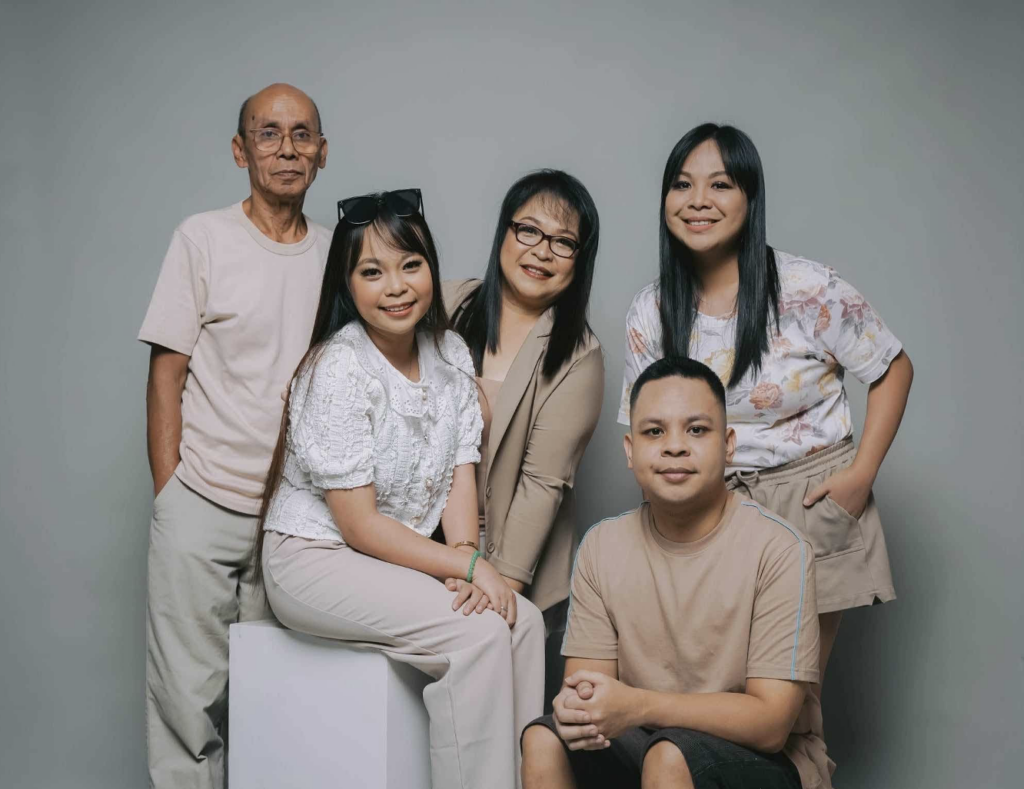
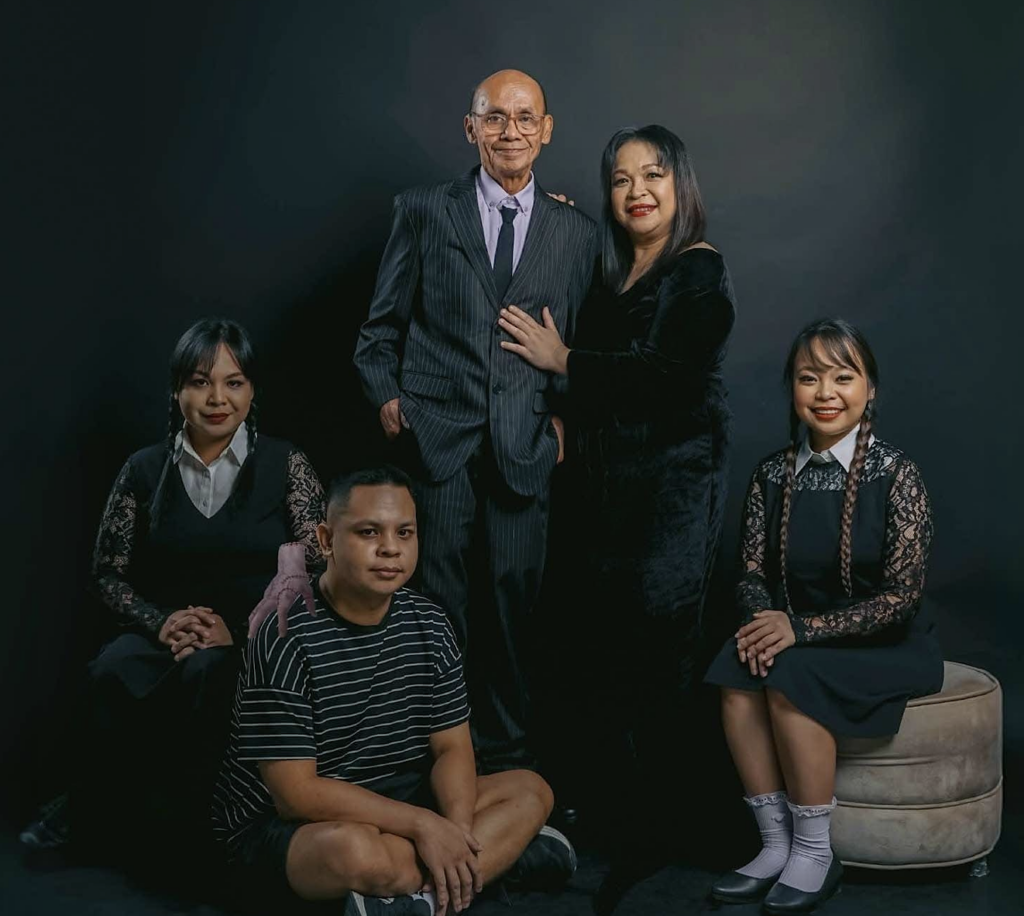
In 2021 she enrolled in an online doctoral program while teaching full-time, a balancing act she describes as requiring discipline, determination, “and more coffee than I care to admit.” A strange gift of the pandemic was a one-year extension to her exchange program, which let her keep teaching while she finished her coursework before returning to the Philippines in June 2022.
One chapter from those years stays closest to her. From 2017 to 2022, FACES asked her to train and orient newly arrived international special education teachers each July — walking them through classroom management, Individualized Education Programs, and the hard realities of the work. Watching anxious teachers turn into confident professionals became, she says, among the most rewarding stretches of her career. Knowledge, she is fond of noting, grows stronger when it is shared.
Turning experience into infrastructure
Back home in 2022, the mission sharpened. The Philippines had just enacted Republic Act No. 11650, the Inclusive Education Act, and suddenly there was policy to build on. Backed by several local government units, the former Master Teacher led five-day seminar-workshops across Bukidnon and Misamis Oriental, gathering daycare teachers, SPED teachers, therapists, community workers, and service providers into the same room. Together they worked through Individualized Family Service Plans, IEPs, and practical strategies for inclusive classrooms.
“When educators become confident, children benefit,” she says. “That ripple effect can transform entire communities.” The following year she took a part-time post as a special needs education instructor at a university, training future SPED teachers through mock IEP meetings, classroom simulations, assistive technology, and case studies drawn from American schools.
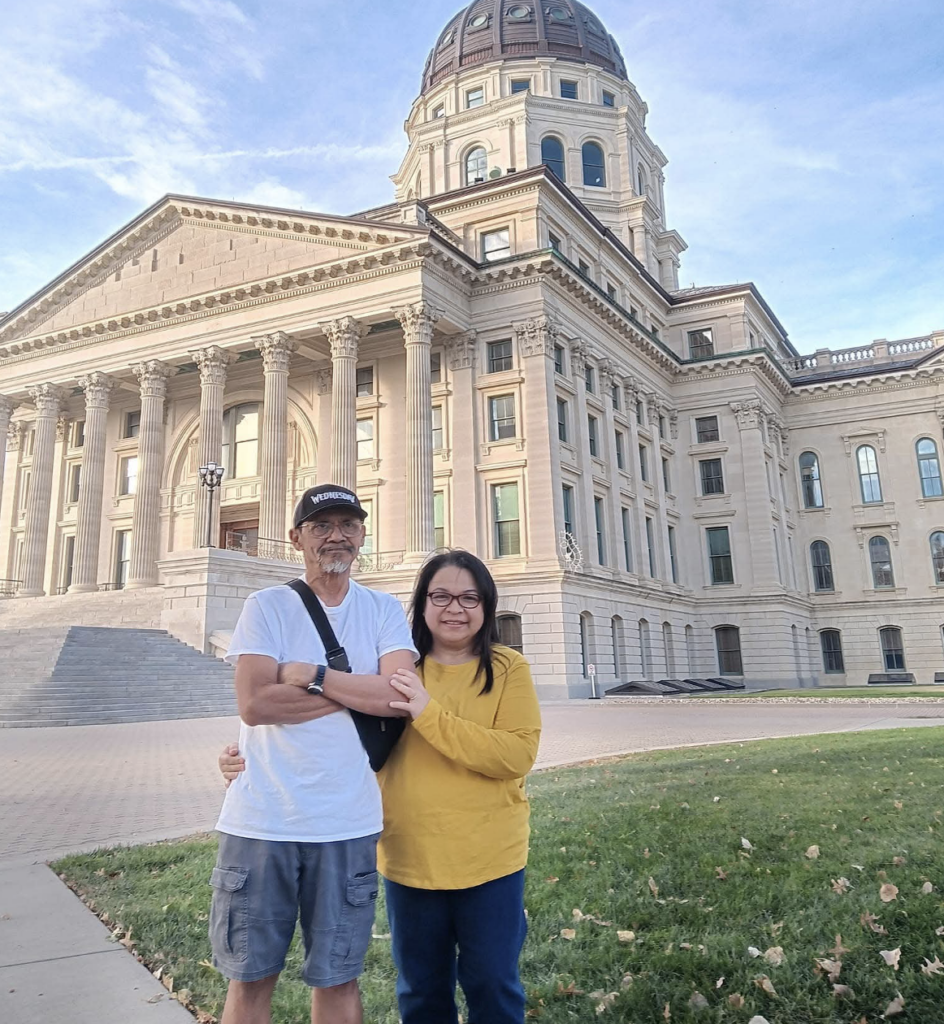
Then came the third crossing. This time Portia returned to the United States not as an exchange teacher but as an H-1B professional, joining Auburn-Washburn USD 437 in Topeka, Kansas — the first Filipino teacher the district had hired under that visa. The district covered visa costs, relocation, and a signing bonus, and, crucially, the position carried no mandatory two-year residency. She could stay. Through the 2026–2027 school year, she continues to serve students with significant disabilities in Kansas.
The part that isn’t finished
People ask what still drives her after 33 years in the profession. The answer has never moved. Not titles. Not awards. Not recognition. “It has a purpose,” she says.
That purpose now reaches past the classroom. Her larger dream is to establish a business in the Philippines where persons with disabilities can find meaningful work, earn a sustainable income, and live with dignity and independence — because inclusion, in her telling, does not end at graduation. It continues when people with disabilities are given the chance to work, contribute, and be valued.
Her mantra sits underneath all of it: Dum spiro spero — while I breathe, I hope. If the business becomes real, she says, then every goodbye and every long flight across the Pacific will have been worth it. A teacher’s legacy, she has decided, is not measured in years spent in a classroom. It is measured in how many lives keep shining because someone believed they could — one child, one teacher, one family, and one community at a time.
