




A public servant’s gesture of personal sacrifice can carry weight in the court of public opinion — but it can also invite scrutiny over whether the sacrifice was ever his to make.

Sen. Jinggoy Estrada announced on Monday, June 1, that he had instructed the Senate Secretary to withhold his salary while he faces a non-bailable plunder case, framing the move as a personal decision to show Filipinos he has no intention of profiting from public funds while clearing his name. The senator surrendered to the Philippine National Police–Criminal Investigation and Detection Group hours later, after the Sandiganbayan Fifth Division ordered his arrest over alleged kickbacks worth P573 million tied to flood control projects.
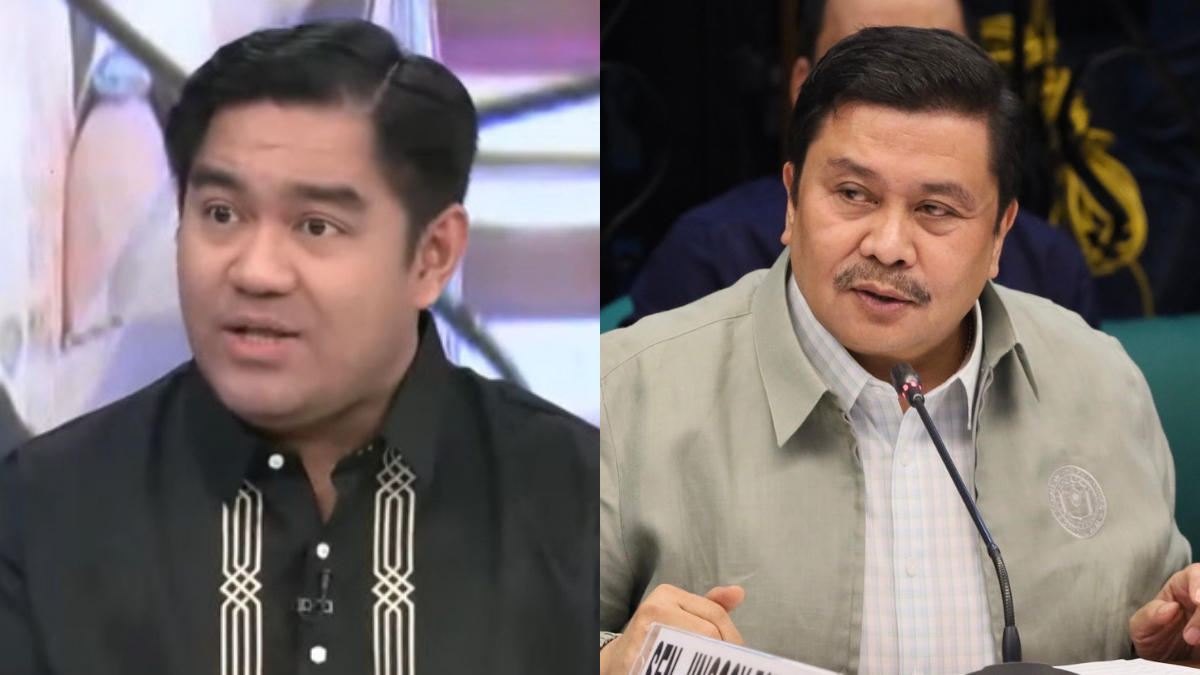
The announcement, made at a Senate press conference where Estrada was flanked by Senate President Alan Peter Cayetano and other majority bloc members, drew immediate pushback online. Among the critics was lawyer Jesus Falcis, who told the public not to treat the gesture as a favor owed to the senator.
“Guys, wag kayo maniwala kay Jinggoy sa offer nya na hindi sya se-sweldo habang naka kulong. Hindi natin utang na loob yun,” Falcis wrote in a Facebook post that drew more than 18,000 reactions. He argued that the suspension carried no salary by operation of law: “Automatic NO PAY yan once he is suspended under RA 3019 and RA 7080 by the Sandiganbayan. No choice talaga sya!”

The legal framework supports the thrust of that argument, with a caveat. Section 13 of Republic Act 3019, the Anti-Graft and Corrupt Practices Act, and Section 5 of Republic Act 7080, the Plunder Law, both mandate the suspension from office of a public officer facing a valid criminal information under those statutes. The Supreme Court has consistently held the suspension to be mandatory rather than discretionary. A suspended official does not draw a salary during the suspension period, and the same provisions strip retirement and gratuity benefits upon conviction by final judgment.
The qualification is procedural. The suspension is not triggered instantly by an arrest. The Sandiganbayan must still issue a suspension order, a step that ordinarily follows a pre-suspension hearing to confirm the validity of the information. Estrada’s voluntary instruction to the Senate Secretary therefore precedes the court action that would, in any case, compel the same outcome.
Estrada also said he would not seek Senate custody or use the chamber as a shield against the charges, and he vowed to remain with the Cayetano-led majority bloc despite what he described as pressure and political maneuvering. He maintained the allegations were baseless, citing Senate budget records he said showed no evidence he made budget insertions.
The case marks Estrada’s third plunder charge in 25 years. He was acquitted twice before, in connection with the jueteng scandal in 2001 and the pork barrel scam in 2014. His co-accused, former Public Works Secretary Manuel Bonoan, was also ordered arrested but was hospitalized for high blood pressure.
