




Dubai’s public transport payment infrastructure is set for a full technological reinvention, with the Roads and Transport Authority reporting that nearly three-quarters of its nol system upgrade is now finished. The overhaul shifts the network away from card-based ticketing toward account-based ticketing, a digital model that ties fares directly to customer accounts. Authorities expect the remaining work to conclude by the close of the first quarter of 2027.

Once complete, the system will rank among the most advanced globally, built to match international standards in financial technology and digital payments.
Mattar Al Tayer, Director General and Chairman of the Board of Executive Directors at the RTA, framed the initiative as central to the authority’s broader digital ambitions. “The nol system upgrade marks a strategic step in RTA’s comprehensive digital transformation journey and represents a strategic investment in the future of digital services. It will enable RTA to develop a unified, more integrated payment ecosystem linking various modes of transport and services, while delivering the highest levels of operational efficiency and customer convenience.”
He tied the effort to leadership goals aimed at using technology to simplify government services and position Dubai as a leading city for residents and commuters alike.
The rollout has been structured across three distinct stages given its complexity. Al Tayer explained that the opening phase introduces QR code ticketing through digital platforms. A second stage brings a redesigned generation of nol cards engineered to global specifications, with compatibility for bank card technology and automatic linkage to customer accounts at the point of purchase. The concluding phase widens accepted payment types to include bank cards and digital wallets for settling public transport fares.

For riders, the changes translate into a broader toolkit of features. Al Tayer noted that customers will gain the ability to open accounts, connect their own nol cards alongside those belonging to relatives, adjust profiles, assign top-up sums to individual cards, and switch on automatic reloads through linked bank accounts. Statement tracking, card blocking, and balance recovery will also become available.
Al Tayer described the practical gains this way: “The new system will deliver a step change in the customer experience by expanding payment options and enabling modern, diverse payment methods, streamlining procedures and making services easier to access.”
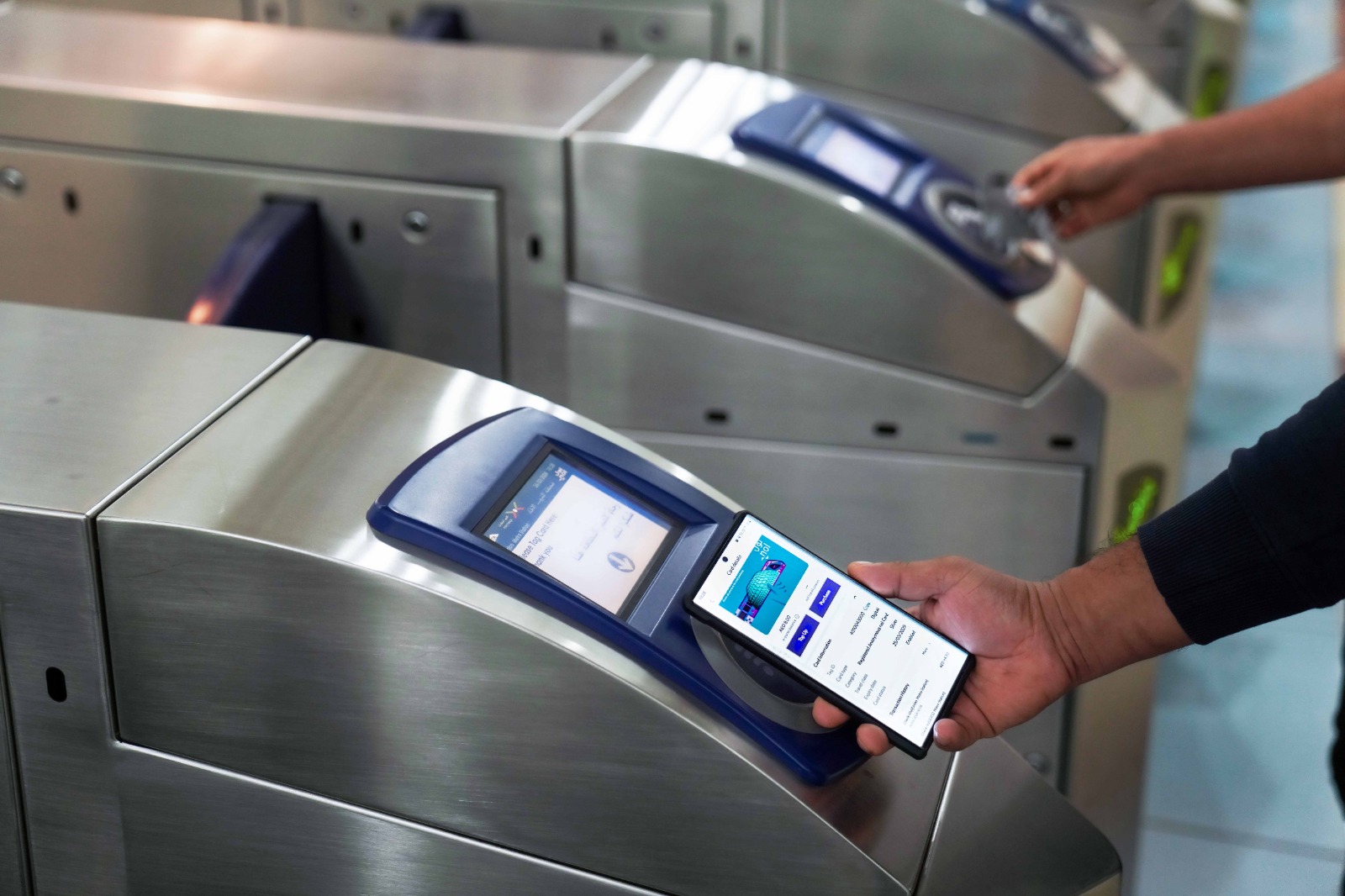
Station hardware, including smart kiosks and payment devices, is being upgraded to accommodate the new methods, letting travelers pay by QR ticket, next-generation nol card, bank card, or digital wallet.
The redesigned cards will also stretch well past transport use. Holders will be able to spend at retail outlets throughout the UAE and shop across digital channels, functioning much as a conventional bank card would.
The nol system first went live on September 9, 2009, arriving in step with the opening of Dubai Metro. In the years since, the RTA has layered on additions such as a student package developed with the International Student Identity Card Association, which extends discounts to students internationally. The authority has separately rolled out nol Travel cards aimed at tourists and residents, and extended nol payments to e-scooters and other soft mobility options, a move that supports its first- and last-mile connectivity strategy and stands as one of the earliest applications of its kind anywhere.
