



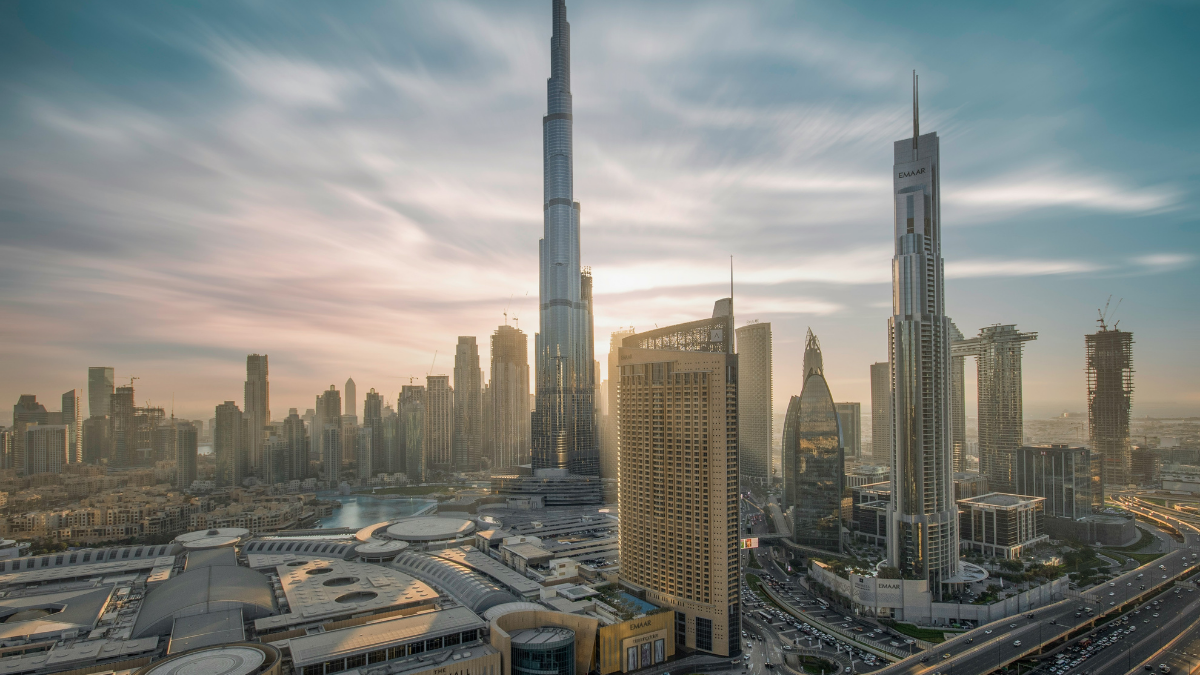

Renters in Dubai caught a break in the second quarter of 2026. Average residential rents fell 6.2 percent from the first three months of the year and settled 2.6 percent below where they stood a year earlier, according to CBRE Middle East’s UAE Real Estate Market Review, as a wave of newly finished homes loosened a market that had squeezed tenants through several years of steep increases.

Developers completed roughly 18,000 residential units across the emirate in the first half of the year, widening the pool of available homes and taking pressure off pricing. Sale prices proved stickier than rents, holding 1.9 percent above mid-2025 levels, but the split points to a market moving into a calmer stretch after a long run of rapid gains.
Buying activity cooled markedly. Dubai recorded fewer than 37,000 residential transactions in the quarter, a 29 percent drop from the more than 51,000 logged in the same period last year. The combined value fell to AED 88 billion from close to AED 154 billion. CBRE linked the slowdown to softer demand, a lighter slate of project launches and the additional supply reaching the market, leaving purchasers with less competition than they faced during last year’s stronger conditions.
Abu Dhabi ran the other way. Residential values in the capital surged 21.6 percent year on year, apartment prices climbed 24.4 percent, and rents stayed 3.6 percent above last year despite easing during the quarter. Sales there reached AED 32 billion, a 150 percent jump over the same stretch of 2025, with transaction counts up roughly 80 percent. Off-plan homes accounted for about 83 percent of deals and 85 percent of total value.
While homes grew cheaper to rent in Dubai, corporate tenants faced the opposite squeeze. Office rents in the city rose 13 percent over the year to the end of June, with prime buildings up 16 percent and occupancy near 94 percent, a level CBRE tied to a shortage of Grade A space. Companies in DIFC, TECOM and DMCC frequently leased space in buildings still under construction. Abu Dhabi’s offices mirrored the trend, with rents up close to 16 percent, occupancy near 96 percent, and financial firms, hedge funds and investment houses concentrating in Abu Dhabi Global Market. CBRE expects less than 300,000 square meters of new office space to reach the capital between 2026 and 2027, keeping availability tight.

“While several sectors have seen a moderation in performance, the impact has been uneven, with office and industrial markets continuing to benefit from limited supply and sustained occupier demand,” said Matthew Green, Head of Research at CBRE MENA.
Retail landlords held firm even as tourist spending softened and shopping habits shifted. Malls stayed about 98 percent full in Dubai and 95 percent full in Abu Dhabi, little changed from a year earlier, with Dubai retail rents edging up around 3 percent and Abu Dhabi rates roughly flat. Al Khail Avenue in Dubai and the first phase of Saadiyat Grove in Abu Dhabi are among the projects still in the pipeline.
Warehouses and logistics facilities remained the market’s strongest segment, supported by manufacturing investment, supply chain localization and inbound foreign capital. Rents kept climbing at Dubai Industrial City, Dubai Investments Park and National Industries Park, while Abu Dhabi drew AED 48.5 billion in commitments through the Make it in the Emirates program alongside new logistics deals inside KEZAD. Industrial exports hit AED 262 billion in 2025, with programs such as Operation 300bn continuing to back the sector.
CBRE forecasts a slight contraction of 0.04 percent for the UAE economy in 2026, citing disruption across trade, tourism, aviation and other consumer-facing industries. Green pointed to the government’s response as grounds for longer-term confidence. “What remains particularly noteworthy is the speed and scale of the UAE’s policy response, from supporting business continuity and trade flows to advancing economic partnerships and diversification initiatives,” he said, adding that “although near-term conditions are likely to remain challenging, the country’s long-term growth trajectory remains supported by structural reforms, strategic investment and its position as a leading hub for trade, capital and talent.”
