




A tip-off from Dubai Customs has dismantled an attempt to move more than a tonne of addictive painkillers into an African nation, with authorities there moving to prosecute everyone linked to the smuggling bid.

The contraband amounted to roughly 1.332 tonnes of Tapentadol pills. Investigators traced the consignment back to an origin point in Asia, with the tablets routed through air cargo channels before they could reach buyers on the African continent. Acting on intelligence passed along by Dubai Customs, officials in the destination country halted the load and opened a criminal case against those connected to it.
Counterparts from the African nation’s security and customs services credited the Dubai side with supplying exact, actionable information. According to them, that intelligence served as the backbone of the surveillance and tracking work that eventually collapsed the operation.
Abdulla Busenad, Director General of Dubai Customs, framed the outcome as part of a wider obligation. “Protecting communities is a shared responsibility that transcends geographic borders,” he said in a media release. By blocking the tablets from entering circulation, he noted, the seizure shielded young people and households from the dangers of dependency and associated crime.

So what underpins this kind of result? Much of it traces to how the agency assembles intelligence in the first place. Within the Customs Intelligence Department and its Special Task Force, dedicated analysts continuously gather and study data, matching disparate signals against one another to flag irregular patterns that could point to illegal activity or efforts to move banned goods.
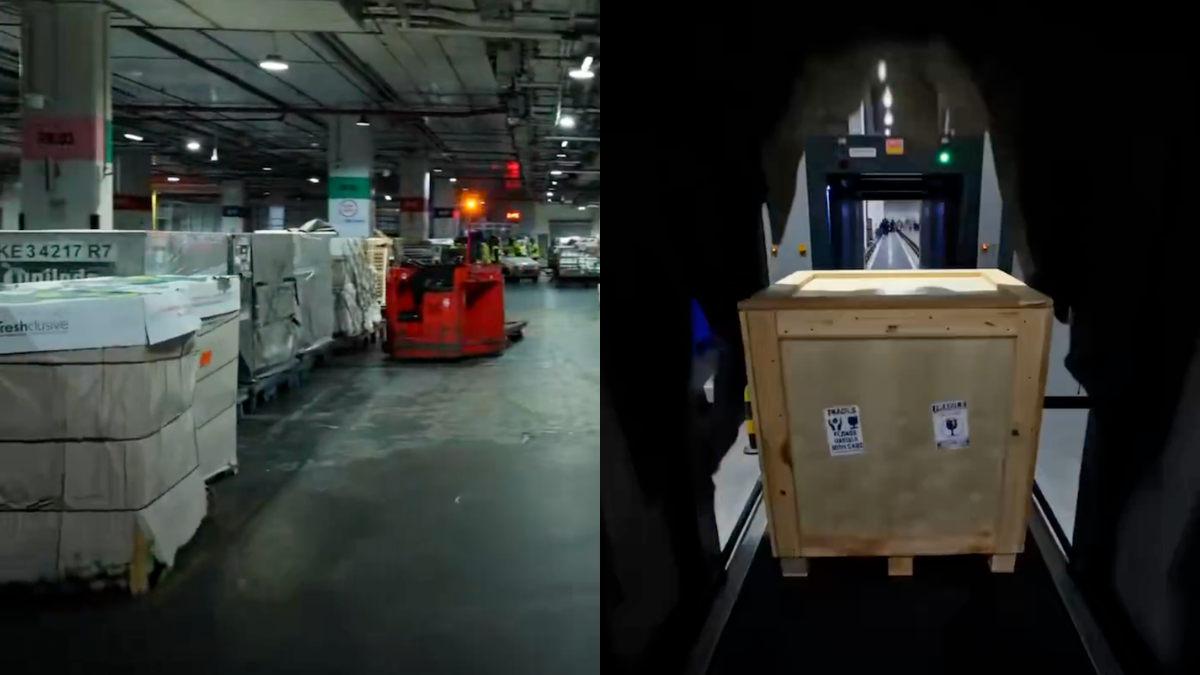
The technological layer runs deep at the Air Cargo Centres Management, where radiographic scanners, artificial-intelligence image-reading tools, and purpose-built detection systems shorten handling times even as inspectors process heavy volumes of inbound, transit, and outbound freight.
Frontline screening pairs people with machines. Officers receive current-generation gear alongside training meant to keep them sharp on shifting tactics. Inspectors are kept ready to “stay current with the latest smuggling methods and newly emerging narcotics and psychotropic substances,” said Mohammed Al Ghaffari, Executive Director of the Customs Inspection Division.
Rounding out the toolkit, a system known as the ‘Smart Risk Engine’ processes information as it arrives, allowing officers to flag potential dangers before they harden into genuine threats.
