




Travellers passing through Dubai International Airport can pack multiple mobile devices in their luggage — but there is a cap, and it comes with specific requirements.

Citing guidance from Dubai Airports, Gulf News reported that passengers are permitted to carry up to 15 mobile phones in their bags, aside from their personal handset. The devices must remain sealed in their original manufacturer packaging. Units that do not meet this condition risk being seized at screening checkpoints.
The restriction is tied to safety concerns surrounding lithium batteries, which can pose fire hazards if transported improperly. Aviation authorities worldwide closely regulate battery-powered electronics due to the risks associated with overheating or short circuits.
The reminder comes as Dubai continues to see strong visitor inflows, recording 17.55 million arrivals in 2025 so far. With peak travel periods approaching, officials have reiterated the need for passengers to comply with screening procedures and arrive prepared to avoid delays.
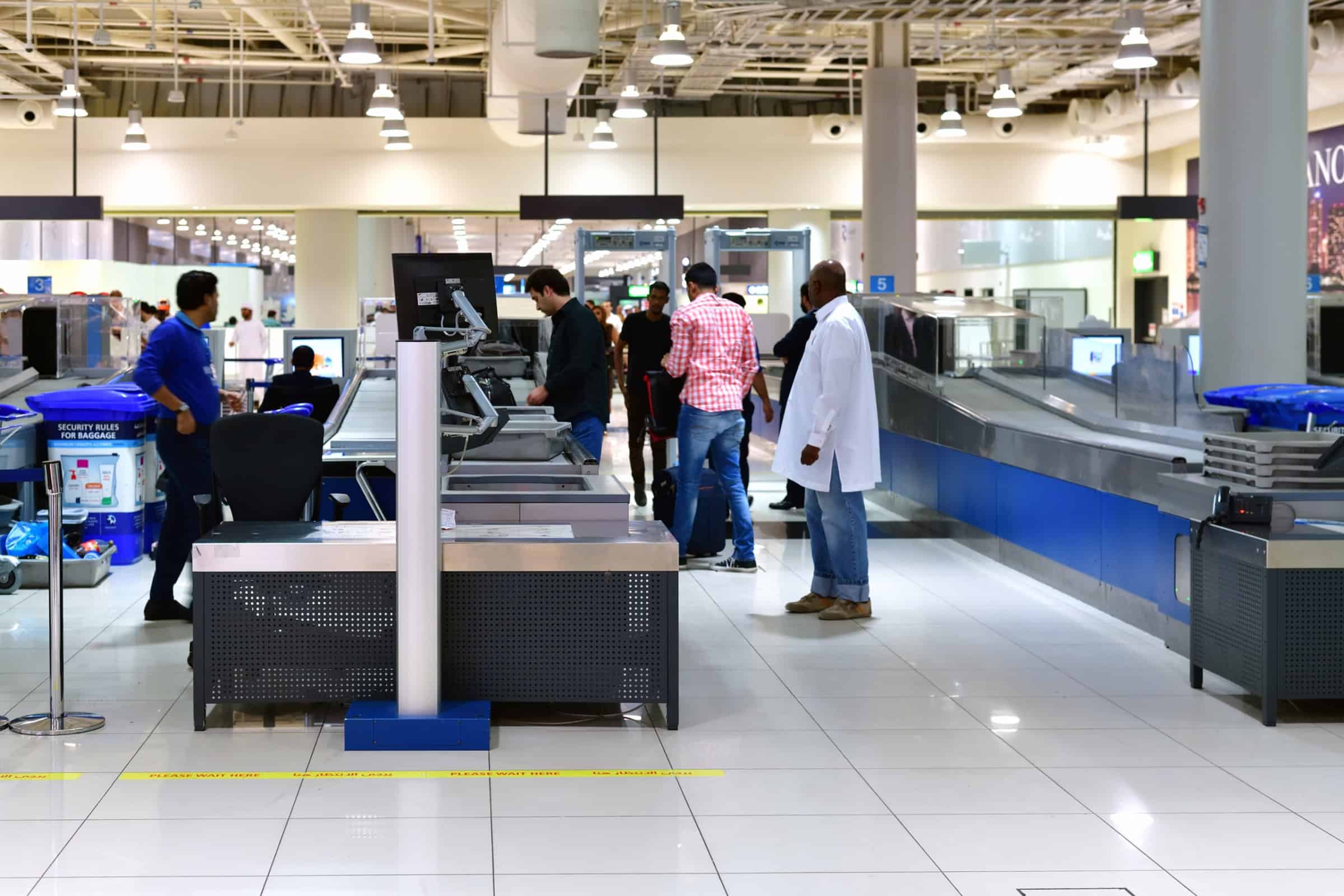
Airport security teams have outlined several key practices for travellers. Metal accessories should be removed before passing through scanners and placed in trays. Items such as lighters, flammable materials and toy weapons are prohibited. Passengers are also advised not to leave bags unattended or carry luggage on behalf of strangers. Those travelling with medication must bring prescriptions, and individuals with implanted medical devices should carry supporting certification.
Authorities have also encouraged travellers to complete farewells before arriving at the terminal to help ease congestion at entry points.

At the same time, airport operators are expanding their use of advanced screening systems. Ahead of the upcoming Airport Show, industry officials highlighted the growing role of artificial intelligence in predicting passenger volumes and modelling security operations during busy hours. Some airports are deploying digital simulations to test how checkpoints perform under strain.
Dubai Aviation Engineering Projects recently entered a long-term agreement with Smiths Detection to roll out next-generation Computed Tomography scanners across DXB. These machines generate high-resolution, three-dimensional images of cabin baggage and are designed to improve the identification of prohibited items. The systems also feature automated tray returns and smart lane management tools.
Brigadier Expert Engineer Marwan Singel, Assistant Director General of the General Department of Airport Security, said Dubai continues to integrate advanced screening capabilities to strengthen safety standards while improving the travel experience.
“In the UAE, security authorities continue to adopt new airport screening technologies to detect and overcome threats. We have been pioneers in achieving a balance between high-level threat detection and improving the security standards of the passenger experience,” he said.
Industry data presented in connection with the Dubai Airport Show indicates that global spending on airport security could surpass $38 billion by 2035, while the UAE market alone is projected to reach $3.2 billion by 2030, reflecting sustained growth in aviation infrastructure and passenger traffic.
