




The unauthorized diversion of public money carries criminal weight on its own, regardless of whether anyone intended wrongdoing or pocketed a single peso — that legal argument sits at the center of a fresh appeal filed Thursday by a coalition of physicians and lawyers seeking to overturn the Ombudsman’s decision to spare two senior officials.

The group, led by lawyer Rodel Taton and Dr. Cynthia Ng, contends that investigators misapplied the law on technical malversation by demanding evidence of criminal intent or personal gain. Drawing on jurisprudence, they maintain the offense is mala prohibita — punishable simply because the act is forbidden, leaving no room for good faith as a shield. They cited the doctrine of “mala prohibita,” saying technical malversation is not punished because of the respondents’ intent or motive, but because the law prohibits the act itself.
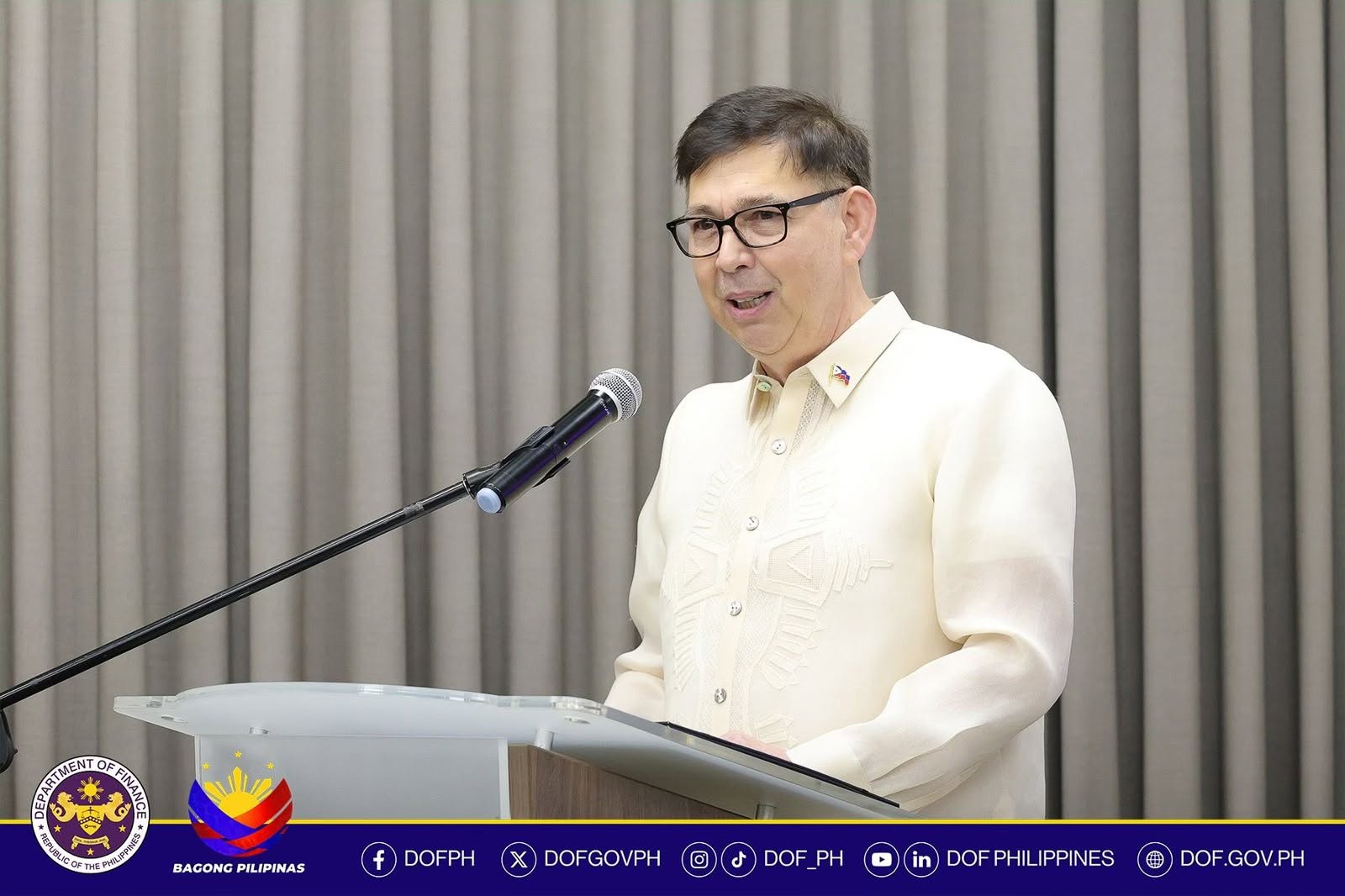
Their motion for reconsideration targets a consolidated resolution issued June 2 by the anti-graft body, which threw out complaints for plunder, graft, technical malversation, and grave misconduct against Acting Executive Secretary Ralph Recto, who previously headed the Department of Finance, and Emmanuel Ledesma Jr., the former president and chief executive of the Philippine Health Insurance Corp. The Ombudsman had concluded that the evidence fell short of establishing a reasonable likelihood of conviction or any administrative fault.
Much of the appeal turns on a question the complainants say the Ombudsman never seriously asked: who stood to gain. “The Ombudsman failed to properly consider the clear chain of events showing who ultimately benefited from the transfer of PhilHealth funds,” the complainants asserted, stating that shifting these funds created breeding grounds for graft while eroding public welfare.
The coalition traces Recto’s involvement to his earlier stint as the representative of Batangas’ Sixth District, when he sat on the bicameral conference committee that reconciled the 2024 General Appropriations Act. According to the group, that body inserted Special Provision 1(d), the clause authorizing excess reserves of government-owned and controlled corporations to be swept into the National Treasury. That provision, the motion argues, gave rise to Department of Finance Circular No. 003-2024, which set the transfer in motion.

In the complainants’ telling, the chain linking the budget insertion to the eventual movement of money implicates both officials. “The sequence of events starting from the insertion of the Special Provision 1(d) in the 2024 GAA up until the transfer of the PHP 60 Billion from PhilHealth excess reserve funds to the National Treasury cannot belie the involvement of Respondents Recto and Respondent Ledesma who acquiesced to the former and should not be used as a justification to absolve him from any liability including Respondent Ledesma Jr.,” they wrote.
The group also points to what it describes as a steep jump in unprogrammed appropriations for Recto’s home district — from ₱50 million in 2023 to ₱3.6 billion in 2024 — alongside the award of 33 infrastructure projects in Lipa City the same year. Those figures appear in the complainants’ filing and were among the patterns they say warranted closer scrutiny.
The underlying policy directed PhilHealth to surrender ₱89.9 billion in excess reserves. The insurer remitted ₱60 billion in three tranches before a temporary restraining order from the Supreme Court halted the process, leaving ₱29.9 billion untransferred. On December 3, 2025, the high court declared the transfer unconstitutional in Pimentel III v. House of Representatives, voiding both the DOF circular and the GAA provision behind it, and the ₱60 billion was subsequently returned to PhilHealth.
For healthcare advocates who opposed the scheme, the money belonged to expanding member benefits and bringing down medical costs — not to plugging unprogrammed government spending.
Recto has rejected the entire case as harassment, insisting the transfer rested on lawful authority under the 2024 budget and was carried out in good faith. The Ombudsman, in clearing him, leaned on that same presumption of regularity, holding that nothing in the record showed corruption, a deliberate breach of duty, or partiality on the part of either respondent.
