



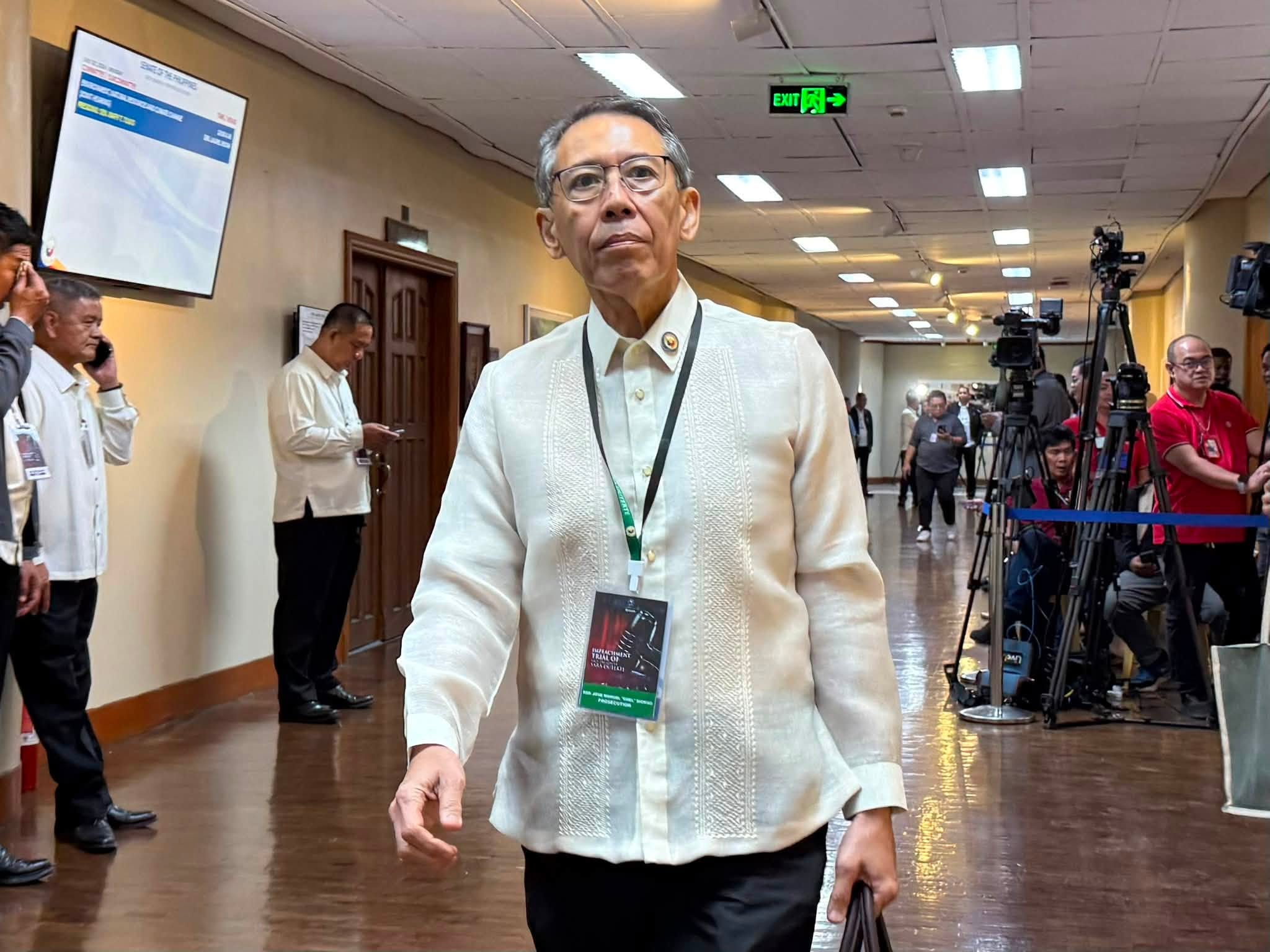

Akbayan Rep. Chel Diokno has renewed calls for accountability over the country’s flood control program, tying the persistent flooding that swamped Metro Manila and much of Luzon this week to what he described as a broken system that has yet to catch its “big fish.”

In a Facebook post shared as the enhanced southwest monsoon, or habagat, battered the capital, Diokno said heavy rains quickly expose which flood control projects actually work and which exist only “on paper.” He questioned why, despite months of investigations, no major figures have been held to account, and argued that the system itself needs fixing, with “those who should answer” made to answer.
His remarks came as floodwaters submerged roads across Metro Manila between August 8 and 10, 2026. The Metropolitan Manila Development Authority reported flooding in parts of Quezon City, Las Piñas, Parañaque, Pasay, Mandaluyong, Malabon and Manila, with the deepest waters recorded at knee level along the Alabang-Zapote Junction in Las Piñas. Malacañang suspended face-to-face classes and in-person government work in Metro Manila and 15 provinces for August 10.
Casualty figures varied across agencies. The National Disaster Risk Reduction and Management Council said in its August 10 report that eight people had died, one was missing and roughly 752,000 had been affected by the combined effects of the habagat and tropical cyclones Luis and Maymay. The Philippine National Police, citing ground-level data still pending validation, reported a higher toll of 15 dead. The Office of Civil Defense, for its part, placed the count at 12 and estimated the affected population at more than 1.3 million.

Diokno’s post revives a controversy that has dominated Philippine politics for the past year. Investigations by the Senate and an independent fact-finding commission have alleged that thousands of flood control projects nationwide were substandard, incomplete or entirely nonexistent, with lawmakers and officials of the Department of Public Works and Highways accused of taking kickbacks from contractors. Most of those implicated have denied the allegations.
Critics, including Diokno, have accused the Marcos administration of “selective prosecution,” noting that while a handful of officials and contractors have been arrested, the principal figures remain untouched. Public confidence has slipped: a December 2025 Pulse Asia survey found 59 percent of Filipinos still expected accountability, down sharply from 71 percent in September 2025.
The Philippines is among the world’s most typhoon-prone countries, making flood control a recurring and politically charged concern each rainy season.
