



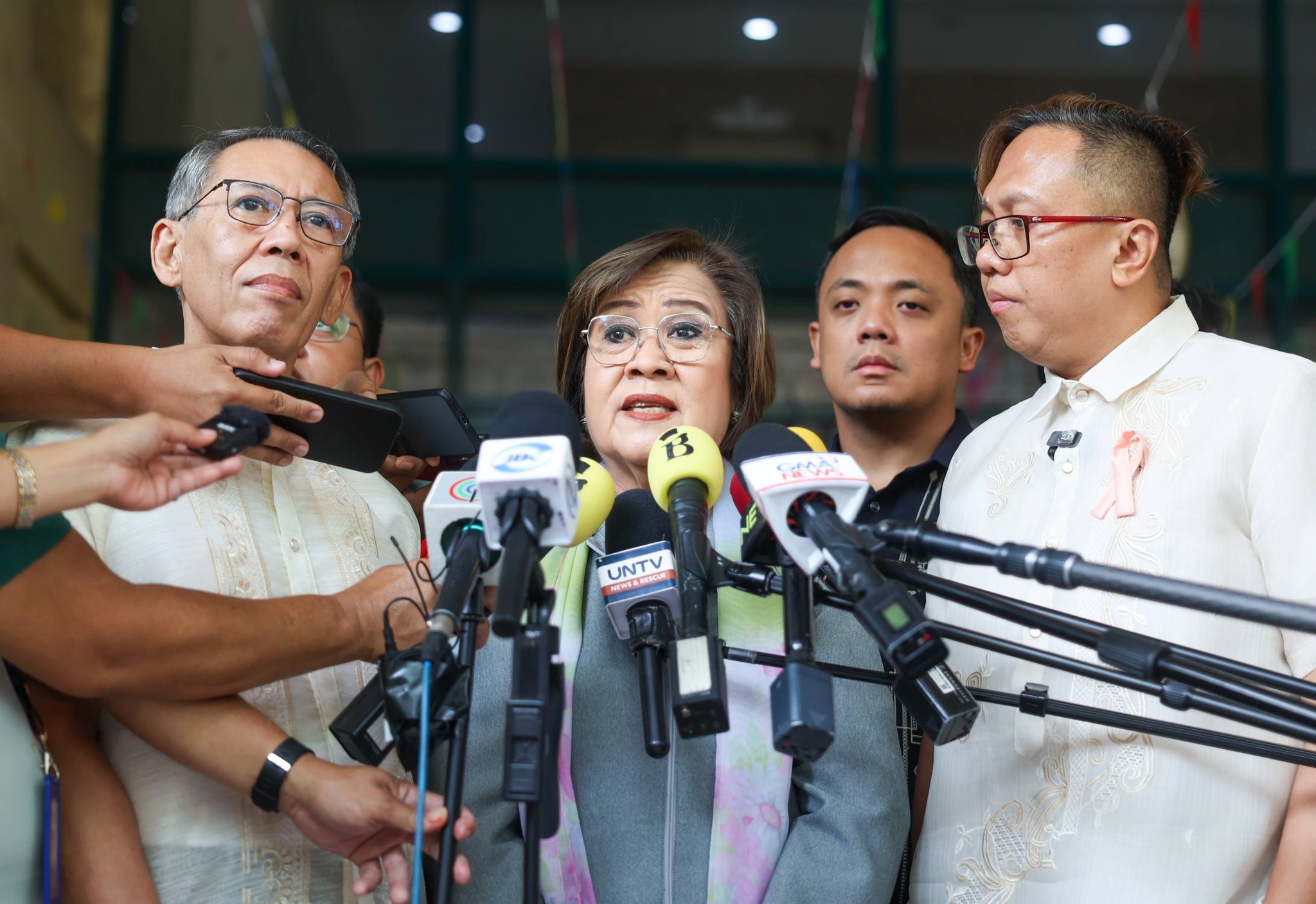

Opposition senators and former officials pushed back Wednesday against a Senate majority bid to allow lawmakers to participate in sessions via videoconference, drawing pointed comparisons to the case of former senator Leila de Lima — and saying the situations could not be more different.

The controversy centres on a motion filed by Senator Rodante Marcoleta on May 11, which seeks to amend Senate rules to allow members to attend and vote in plenary sessions remotely under what he described as “justifiable reasons.” The motion was filed the same day Senator Ronald “Bato” dela Rosa reappeared at the Senate after months of evasion, casting his vote to install Senator Alan Peter Cayetano as Senate president. Dela Rosa is the subject of an International Criminal Court arrest warrant over alleged crimes against humanity linked to the Duterte administration’s drug war.
The minority bloc, led by Senator Juan Miguel Zubiri, walked out of the plenary hall on Tuesday night after the majority attempted to push the rule amendment through — an act critics described as “railroading.” The walkout broke the chamber’s quorum, stalling the vote.
Supporters of the amendment invoked De Lima’s situation during her detention as a precedent. De Lima, however, rejected the comparison outright.
“How convenient it is for some people to use me or what I went through as an example whenever it serves their purpose or agenda,” she said in a Facebook post. She noted that resolutions filed by fellow senators during her incarceration to allow her to join committee hearings and plenary deliberations via teleconferencing were never approved — not even during the height of the COVID-19 pandemic when the Senate had already amended its rules to permit virtual attendance for other purposes.
Senator Risa Hontiveros echoed that view. “Then and now, there should be respect for legal authority. The Senate should not pave the way for a member to continue to vote, influence policies and receive institutional benefits of office — despite refusing to submit to lawful arrest or judicial authority,” Hontiveros said.
Senator Francis “Kiko” Pangilinan was more blunt, drawing a stark contrast between De Lima, who surrendered peacefully and respected the process, and Dela Rosa, whom he characterised as hiding from and evading authorities. During Tuesday’s session, Pangilinan raised the question directly on the floor: “Is this rule, Mr. President, for Senator Bato, who is not here?”

Senator Erwin Tulfo also questioned the majority’s motives, saying it was obvious the proposal was meant to accommodate Dela Rosa and other senators who may be arrested.
Former Senate president Franklin Drilon, now an observer outside the chamber, did not hold back. “This is ugly. I have never seen this kind of bastusan in the history of the Senate,” Drilon said, warning against the “tyranny of the majority” and calling the move a grave abuse of discretion tied to the impending impeachment trial of Vice President Sara Duterte.
Dela Rosa was placed under Senate protective custody after resurfacing on May 11, but quietly left the complex before dawn on May 13. His whereabouts remain unclear.
A coalition of local executives noted that Dela Rosa was absent for roughly half a year before his brief return, during which time he continued receiving an estimated PHP 300,000 in monthly salary — totalling approximately PHP 2.1 million over seven months of absence.
Malacañang has rejected the push for online Senate voting, while Senate President Cayetano earlier said he found it acceptable for Dela Rosa to miss sessions given that the Senate could not guarantee protection from arrest. Critics questioned whether that justification warranted a rewrite of the Senate’s rules.
The minority has not ruled out elevating the matter to the Supreme Court, arguing the proposed amendment threatens the credibility and independence of the Senate.
