



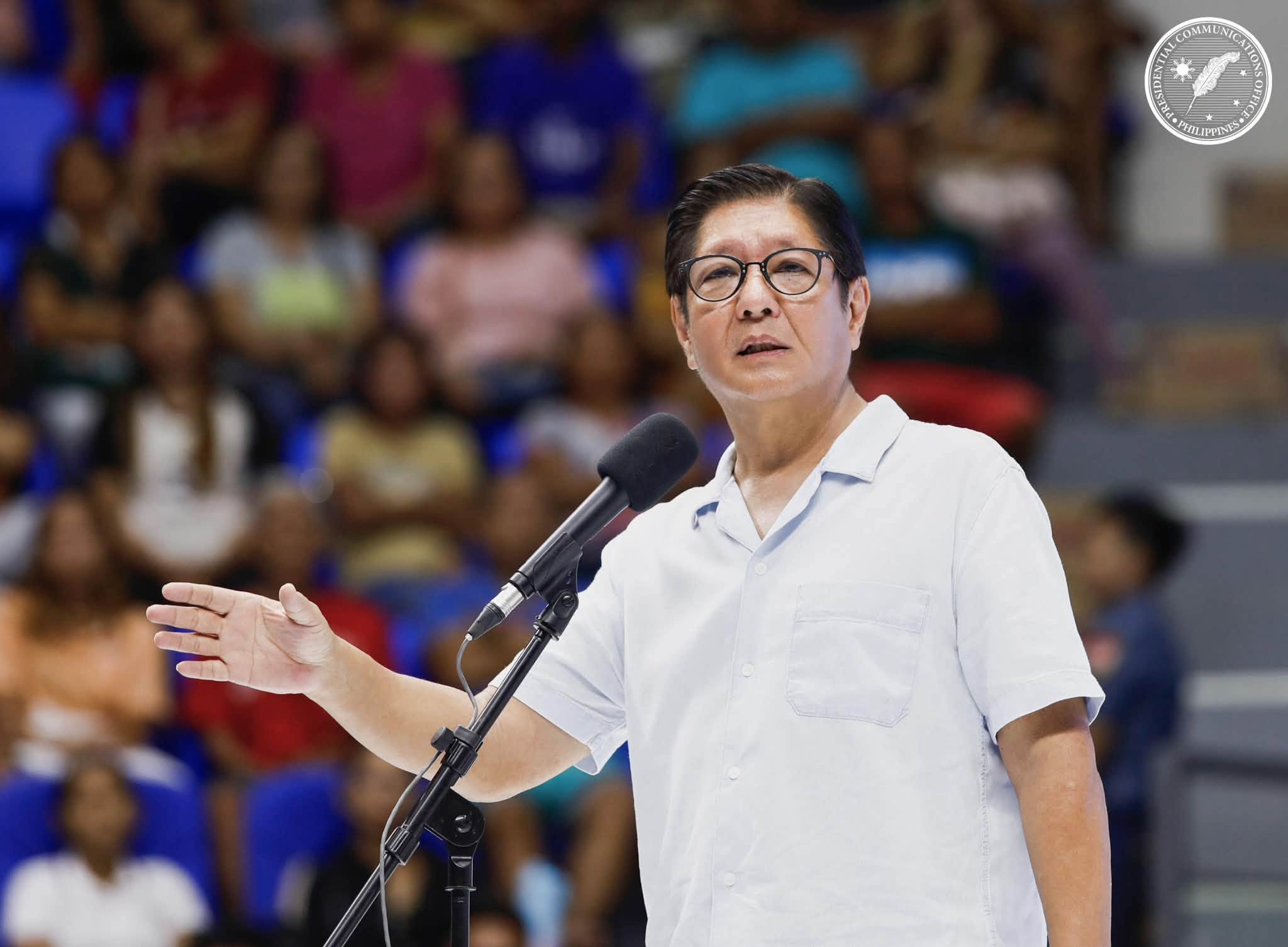

President Ferdinand Marcos Jr. spent the weekend polishing a speech he insists is never truly finished, telling reporters at Clark Freeport Zone in Pampanga on Friday, July 24, that revisions would continue right up to the podium. “I’m never done. Until one hour before the SONA,” he said, pegging the script at more than 90 percent complete. His fifth State of the Nation Address is scheduled for Monday, July 27.

Whether corruption will feature prominently drew only a teasing reply from the Chief Executive: “Abangan ang susunod na kabanata (Wait for the next chapter).” The remark carries weight given his 2024 address, when he laid bare multibillion-peso anomalies in government flood control projects and scolded officials with “Mahiya naman kayo (Have some shame).” On July 4, speaking to reporters in Vancouver, Canada, Marcos signaled the reckoning was far from over. “I cannot say that we have done enough because we are not done yet,” he said, adding that the rot in flood control work appeared to reach past his own term into earlier administrations.
Presidential Communications Secretary Dave Gomez told Bilyonaryo News Channel on Thursday, July 23, that the address would foreground gains in education, affordable health care, transparency in public works, and food security. He described a President who guards the drafting process tightly. “As you know, the President really keeps it very close to his chest…he’s drafting his own SONA with inputs from the various departments,” Gomez said, noting Marcos would rehearse through the weekend. The speech, Marcos separately explained, would also cover how his government responded over the past year to pressures driven by “external forces.”
Security preparations are extensive. More than 21,000 Philippine National Police personnel will lock down the SONA alongside the Metropolitan Development Authority and other agencies, with Quezon City having cleared three groups to rally along Commonwealth Avenue. PNP chief Gen. Jose Melencio Nartatez Jr. pressed organizers to police their own gatherings: “We call on all rally organizers to protect their own ranks and remain vigilant against outside provocateurs who might take advantage of the demonstrations to instigate violence,” he said. Protesters observing peaceful conduct, he assured, would meet maximum tolerance.

Courts around the capital will operate on altered footing. The Supreme Court, Court of Appeals, Court of Tax Appeals, and the Sandiganbayan—the last sitting close to the Batasang Pambansa venue—suspended operations, citing expected traffic snarls and transport disruptions, though skeleton crews may cover security, cash collection, and records. Supreme Court deputy administrator Lilian Barribal Co said first- and second-level courts across Metro Manila would shift to work-from-home for the day.
On the legislative front, Speaker Faustino Dy III appealed to the Senate to accelerate the administration’s priority agenda, with the House hoping to clear additional bills by year’s end. He pointed to measures already advancing, among them a proposed Cybersecurity Act set for second reading, with eight others pending before the appropriations or ways and means committees. “We are asking our counterparts in the Senate to help us legislate other priority bills before the year ends,” Dy said, voicing confidence the chamber could juggle its impeachment-court duties with lawmaking. He reported that Congress has enacted 26 of 52 LEDAC priority measures, including 15 of 21 flagged for passage before July.
Faith leaders, meanwhile, want the President to confront what they call the country’s unresolved failures. The Inter-Religious Leaders’ Council for National Transformation and the White Ribbon Movement urged Marcos to reckon with entrenched poverty, corruption, and weak accountability, arguing the nation’s health should be measured by how ordinary Filipinos actually live. IRLCNT chairman and Kidapawan Bishop Jose Colin Bagaforo, together with World Evangelical Alliance global ambassador Bishop Efraim Tendero, noted that the Philippines’ upper-middle-income status masks widespread hardship—stagnant wages, precarious employment, and labor-rights abuses that leave many families struggling.
