



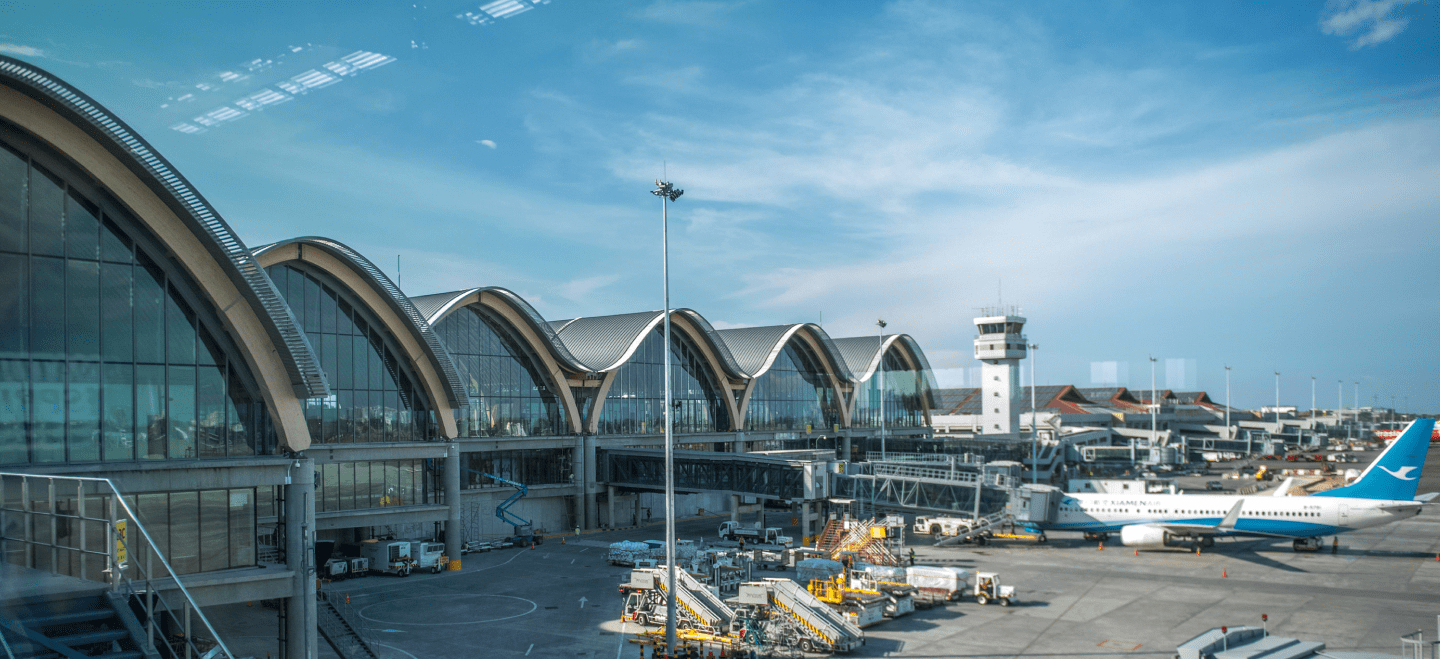

A target to slash emission intensity by more than 90 percent before the decade closes now anchors the environmental roadmap at Mactan-Cebu International Airport (MCIA), which has been granted Level 2 Airport Carbon Accreditation by Airports Council International for Asia-Pacific and the Middle East (ACI APAC & MID). No other airport in the country has reached this tier.

The recognition confirms that MCIA compiled a verified greenhouse gas inventory and put carbon management measures into practice, together lowering the carbon intensity tied to each passenger movement and every ton of cargo handled.
Behind that reduction sits a mix of operational changes. The airport runs a building management system to capture energy efficiency gains, draws on a 1.64 MWp rooftop solar array, and deploys smart sensors across its facilities. Maintenance and monitoring protocols were tightened to lift HVAC performance, fuel use by vehicles and equipment is tracked against actual demand, and lighting has shifted to LED.
“This ACA Level 2 validates that our team is making real, measurable progress in embedding sustainability into every aspect of our operations,” said Ricia Montejo, MCIA General Manager of Aboitiz InfraCapital Cebu Airport Corporation (ACAC). “By balancing smart energy solutions with world-class service, we are ensuring that Cebu’s growth as a premier transfer hub remains environmentally responsible and aligned with global best practices.”

The revised Carbon Management Plan pegs the reduction goal for Scope 1 and Scope 2 emission intensity at over 90 percent by 2029 against baseline figures, a stepping stone toward net-zero carbon emissions by 2050.
Groundwork for the accreditation stretches back several years. In 2024, MCIA rolled out bridge-mounted equipment that supplies parked aircraft with power and cabin cooling without burning jet fuel. The following year, carriers at the airport began operating fully electric ground support equipment and adopting Single-Engine Taxi-In procedures to trim fuel consumption while aircraft move on the ground.
The distinction also drew a note on partnership from airport authority leadership.
“This achievement is a clear testament to what strong public-private synergy can deliver for sustainable infrastructure in the Philippines,” added Julius G. Neri, Jr., General Manager and CEO of Mactan-Cebu International Airport Authority (MCIAA). “MCIAA and ACAC remain united in introducing eco-friendly technologies, optimizing airfield efficiency, and building a greener gateway for future generations of travelers.”
