



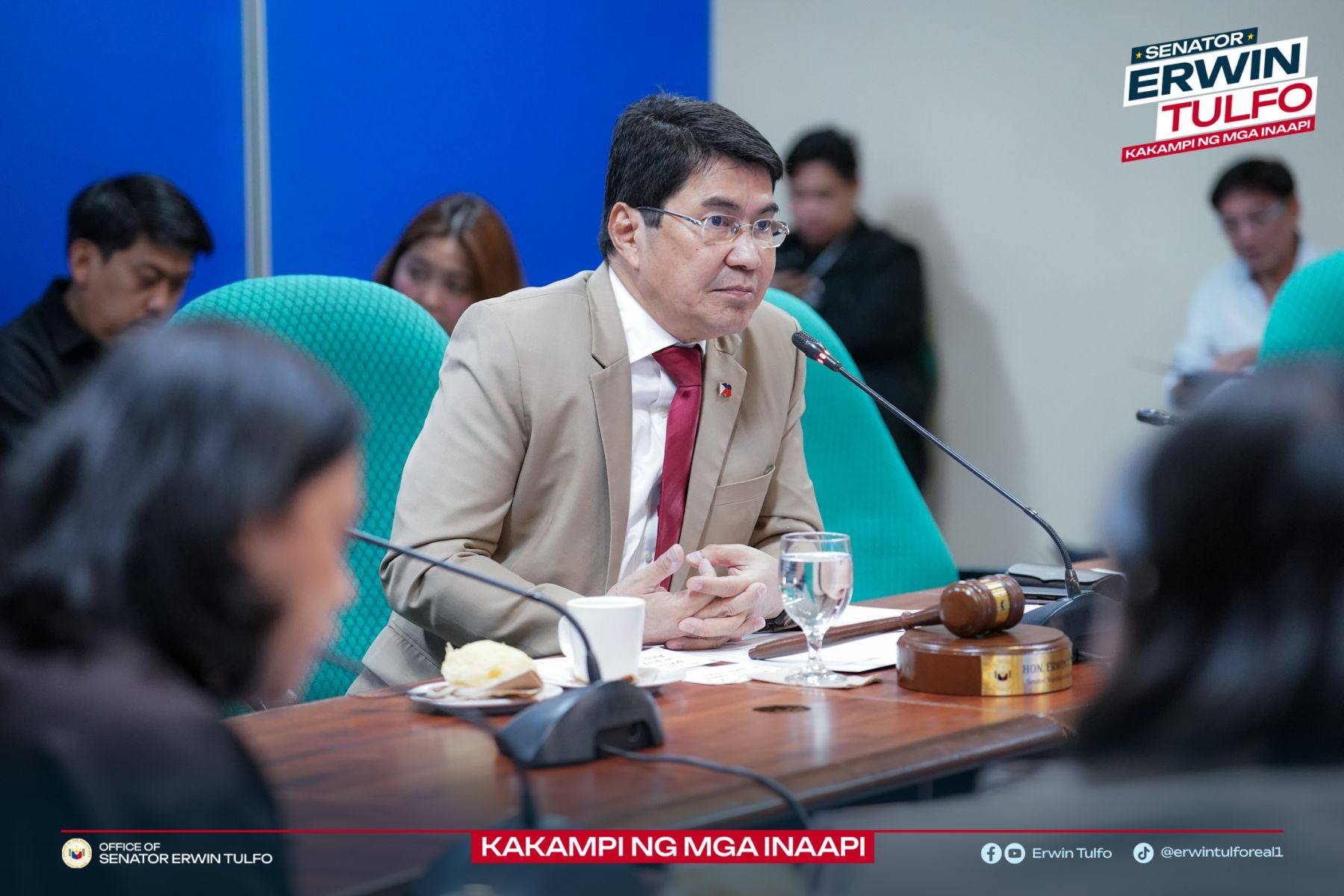

Rising fuel costs have prompted Senator Erwin Tulfo to revisit a pandemic-era policy, as he called on both public and private sector employers to consider allowing eligible employees to work remotely.

Tulfo, speaking Sunday, drew a distinction between roles that demand physical presence and those that do not, arguing that office-based functions have little reason to require in-person attendance. “If a worker’s physical presence or activity is not required at the workplace, why not just have them report online?” he said. “For instance, those in office roles like planning, research, admin, customer service, and other similar jobs can work from home.”
For workers whose jobs cannot be done remotely, Tulfo proposed a different cost-cutting measure. “And if physical presence is required, such as in manufacturing, hotels, restaurants, or hospitals, colleagues can carpool in one vehicle and split the gas costs,” he said.

The proposal comes against a broader backdrop of energy-related policy shifts within the executive branch. Malacañang’s Memorandum Circular 114 has already directed government offices to adopt strict energy conservation practices, framing the move as a way to reduce the government’s energy footprint and make better use of public funds. A number of agencies have separately moved to a four-day onsite work arrangement.
Tulfo’s push adds a legislative voice to what has so far been an executive-driven conversation, broadening the debate to include the private sector.
