



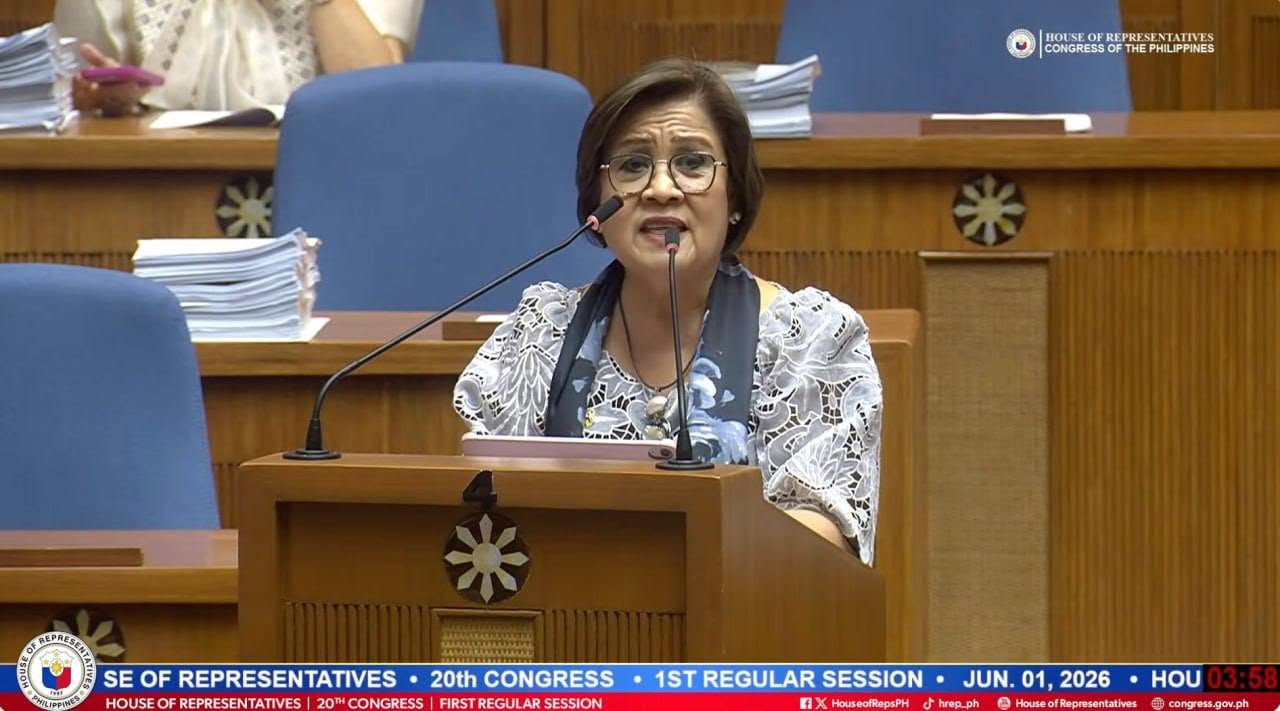

Indigent senior citizens endorsed by a hospital’s social service office would no longer need to sign promissory notes before being discharged, under legislation now pending in the House of Representatives.

The provision forms part of House Bill No. 10135, filed July 21 by Mamamayang Liberal Party-list Rep. Leila de Lima, who serves as House Senior Deputy Minority Leader. The measure amends Republic Act No. 9439 and raises the penalties facing hospitals, clinics, and comparable health facilities that block the release of patients unable to pay what they owe.
Coverage under the proposed amendments would reach beyond patients themselves. Relatives, representatives, carers, and newborn children are all named as protected from detention. The bill further specifies that outstanding professional fees do not constitute valid grounds for holding anyone.
Health facilities would gain wider options for securing unpaid accounts in exchange. Deeds of assignment covering Government Service Insurance System and Social Security System benefits would qualify, as would guarantee letters issued by the Philippine Charity Sweepstakes Office, the Department of Social Welfare and Development, or the Department of Health.

De Lima described as “unjust and deplorable” the situation in which patients and their families find their movement restricted over money owed to a hospital. Fear of that outcome, she said, keeps many Filipinos from seeking treatment at all.
“To this day, complaints against hospitals on allegations of hospital detention continue to persist,” she said.
“Reports indicate that some health care institutions continue to employ practices that effectively prevent patients or their relatives from leaving the hospital or obtaining documents necessary for their discharge, despite the law’s clear prohibition,” she added.
Turning hospitals into what she called “detention centers” for the financially distressed risks driving patients away from care until their conditions deteriorate, the lawmaker argued. Access to healthcare, she maintained, is a right that should not hinge on what a person can afford to pay.
