



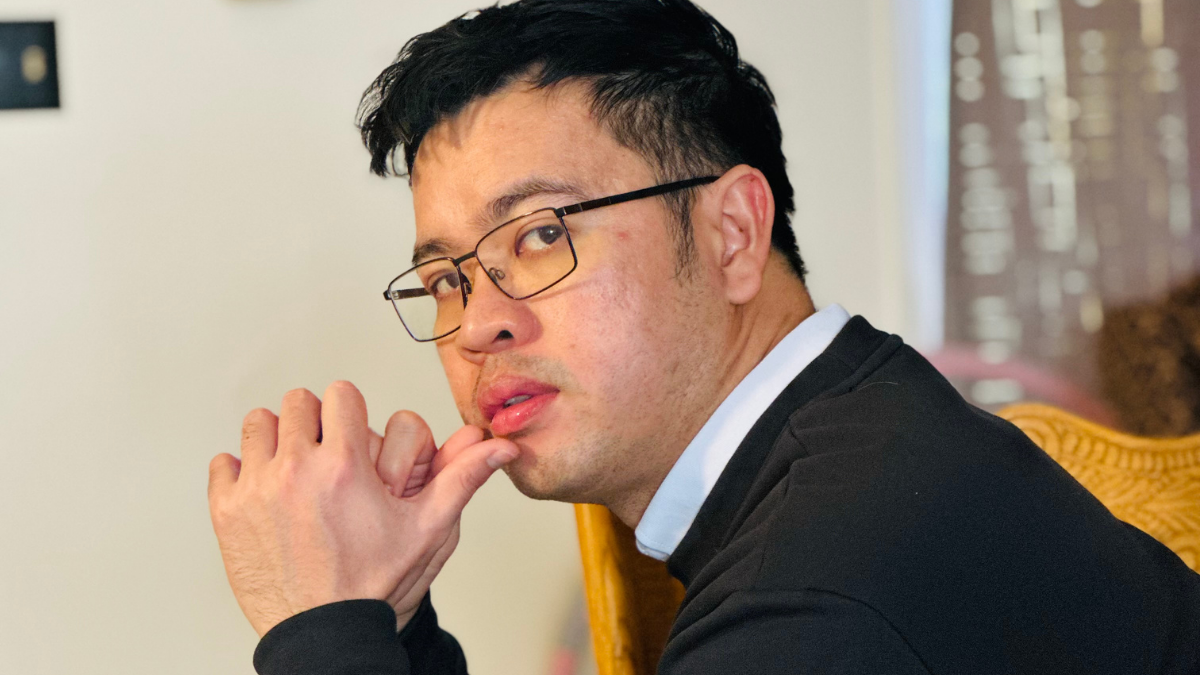

Every Filipino teacher who leaves home carries the same quiet arithmetic: the salary that stretches further, the family that depends on the remittance, the years abroad measured against the years given up at home. What that equation rarely shows is the part that can’t be counted — the students on the other side of the world who become the reason the whole thing adds up. For Eleazar Mendoza Antiporda, that reason arrived in the form of Lakota teenagers in a South Dakota reservation classroom, a long way from anything he’d pictured when he first stood in front of a chalkboard.

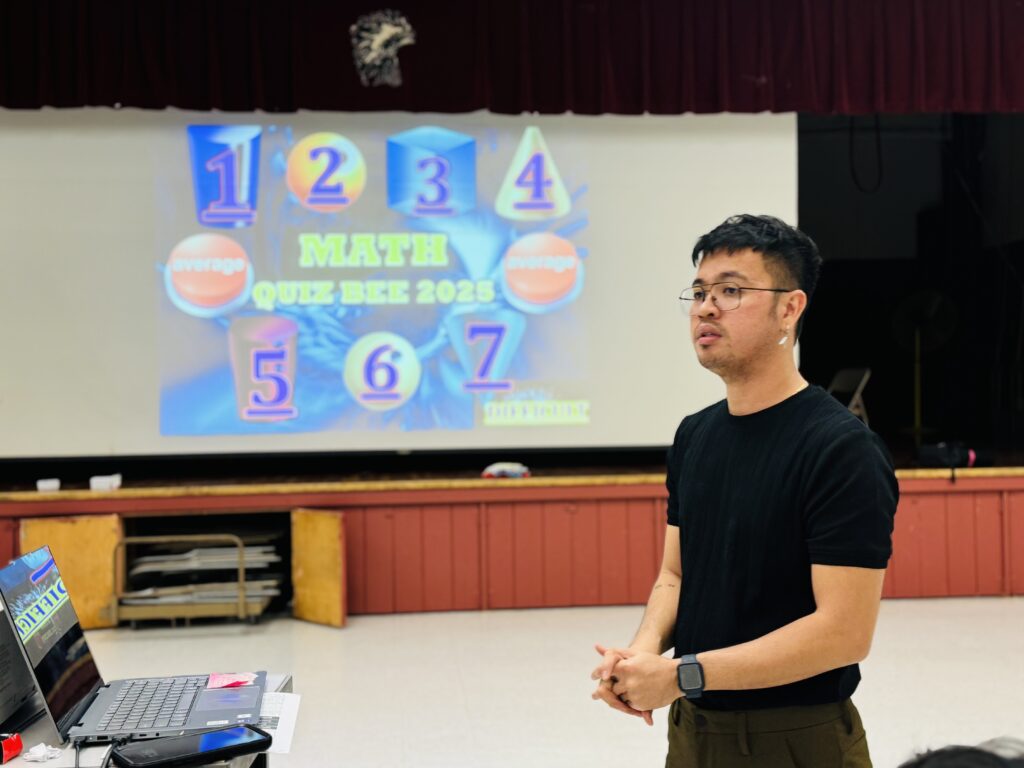
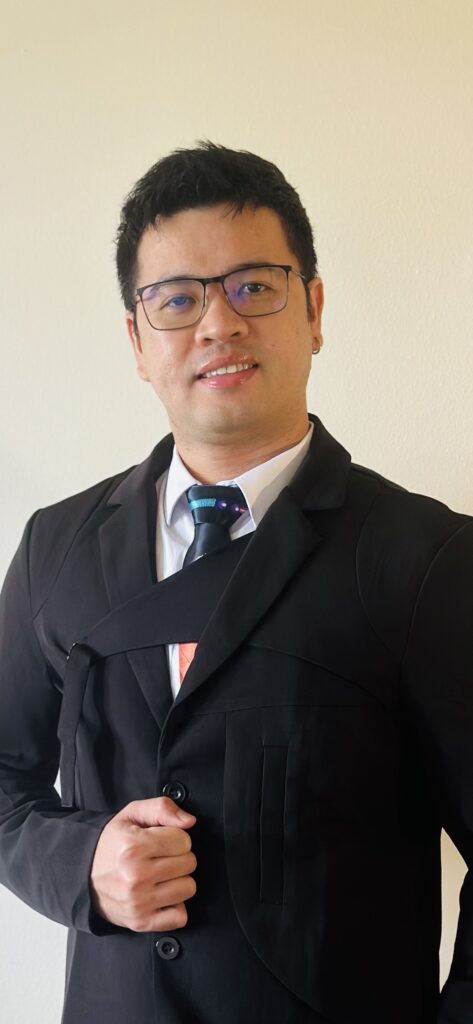
The 32-year-old mathematics educator has spent a decade in classrooms — six years in the Philippines, four in the United States — and somewhere in that stretch, a job that began as a practical decision turned into something closer to a calling.
The decision behind the move
He does not dress up why he left. As the breadwinner of his family, the math added up plainly enough: better pay abroad meant he could carry the people who depend on him and still build toward something stable for himself.
“As a teacher and a breadwinner in my family, I have responsibilities not only for myself but also for the people who depend on me,” he says. Working overseas, he explains, “offered me better financial opportunities and a salary that would allow me to support my family more effectively, while also building a more stable future for myself.”
But money was never the whole of it. He wanted to know what teaching looked like inside a different system, with students shaped by a different history. He wanted, in his words, to step outside his comfort zone — and he got exactly that in August 2022, when he accepted his first overseas post at Crazy Horse School in Wanblee, South Dakota, serving Lakota students on a reservation.
Before any of that, there were six years in Philippine classrooms teaching mathematics, Empowerment Technology, and Media at the junior and senior high levels. He wasn’t only teaching. He served as ICT Coordinator, SMEA Coordinator, Senior Class Adviser, and School Improvement Coordinator, and he mentored fellow teachers — sharing strategies, building learning materials, and finding ways to make hard concepts land. The foundation he built there is the one he carried across the Pacific.
Learning to teach in someone else’s world
Nothing about the move was simple. A new country, a new culture, an unfamiliar educational system, and a life suddenly stripped of the family that had always been within reach — all of it landed at once. And he was doing it while still shouldering the responsibility of supporting that family from a distance.
“I faced moments of loneliness, uncertainty, and difficult situations,” the Filipino teacher admits. What pulled him through was less dramatic than the struggle itself: faith, stubborn persistence, and a decision to focus only on what he could actually control. He leaned on trusted colleagues and school staff to find his footing, and kept his family fixed in his mind as the reason to keep going.
The teaching itself demanded that he rebuild his instincts. Serving Lakota students meant he couldn’t simply import the methods that had worked back home. He turned to differentiated instruction, real-world applications, and culturally responsive approaches — anything that would make mathematics feel accessible and relevant to teenagers whose community, history, and daily lives were unlike anything in his training.
That effort ran in both directions. He wasn’t only teaching; he was learning. Being able to serve Lakota students, he says, gives him the chance “not only to teach Mathematics but also to learn from their culture, experiences, perspectives, and community.” The classroom stopped being a place where he delivered lessons and became a place where an exchange happened.


When the numbers finally click
Ask him what keeps him in the field, and he doesn’t reach for the awards first. He reaches for the moment a student stops being afraid.
“I enjoy helping students overcome the fear or difficulty they sometimes associate with Mathematics and seeing the moment when a concept finally makes sense to them,” he says. “This is the most rewarding part for me.” For a subject that so many students dread, that flicker of understanding — the point where confusion turns into confidence — is the entire payoff.
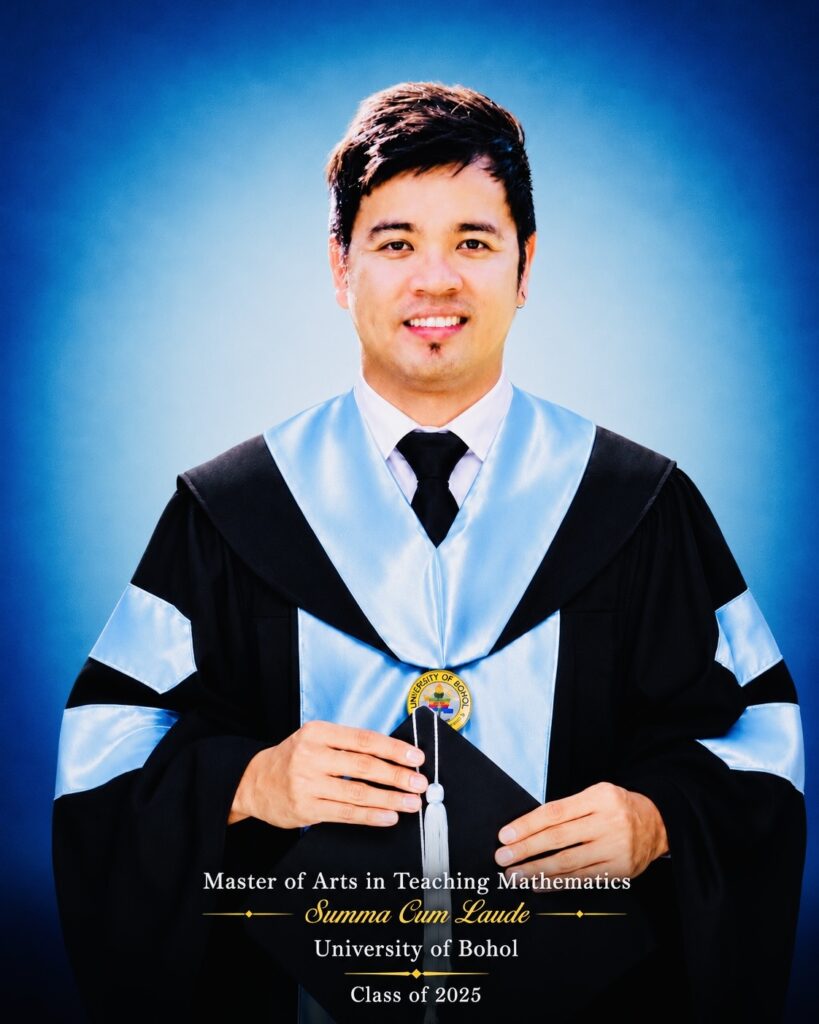
The recognition came anyway. He was named High School Teacher of the Year at Crazy Horse School in 2024. His research project, “Back to Basic Learning Kit: Enhanced Mathematical Skill of Middle School and High School Learners,” was built to lift student test scores and earned the Best in Oral Presentation award at the 6th International Virtual Conference on Interdisciplinary Research in Higher Education in 2025.
Then came the honor he didn’t see coming. The Senior Class of 2025 chose him as their guest speaker for their May graduation — a former math teacher standing before Lakota graduates as the voice they wanted to send them off. “This was truly a dream come true for me,” he says, “and an honor that I will always cherish.”
He has since moved to Little Wound School, where he again teaches high school mathematics to Lakota students — building standards-aligned lessons, tracking student progress, and holding to a simple standard: that every student feels supported, respected, and confident. And he is quick to credit the people around him. “Having supportive people around me makes the workplace more meaningful,” he says of the staff and colleagues who remind him that education, at its core, is a collective effort.
The plan is to come home
For all he has built in South Dakota, the math teacher is clear about where the equation ends. He wants to go home — and to bring something back with him.
His plans have little to do with himself. He talks about supplying school materials to students in his hometown who need the extra help, and about looking after senior citizens with basic necessities and small community gatherings. “Success is more meaningful when we can use what we have achieved to help others,” he says.
There’s another thing he hopes to carry back: the Lakota culture and values he has spent four years absorbing. He wants to share what he has learned with people back home in a way that builds respect and appreciation for Indigenous culture — carrying something of the reservation in South Dakota across the ocean to the community that raised him.
To the kababayans still finding their way through hard days overseas, he offers advice shaped, fittingly, by his trade. “Math says, there is no problem without solution,” he says. The rest is plain: work hard, stay humble, save wisely, love carefully, and never lose sight of why you started.
For him, the measure of the whole journey was never the salary or the awards. It’s whether, at the end of it, there’s something worth giving back — and enough humility left to honor the people who helped him get there.
