



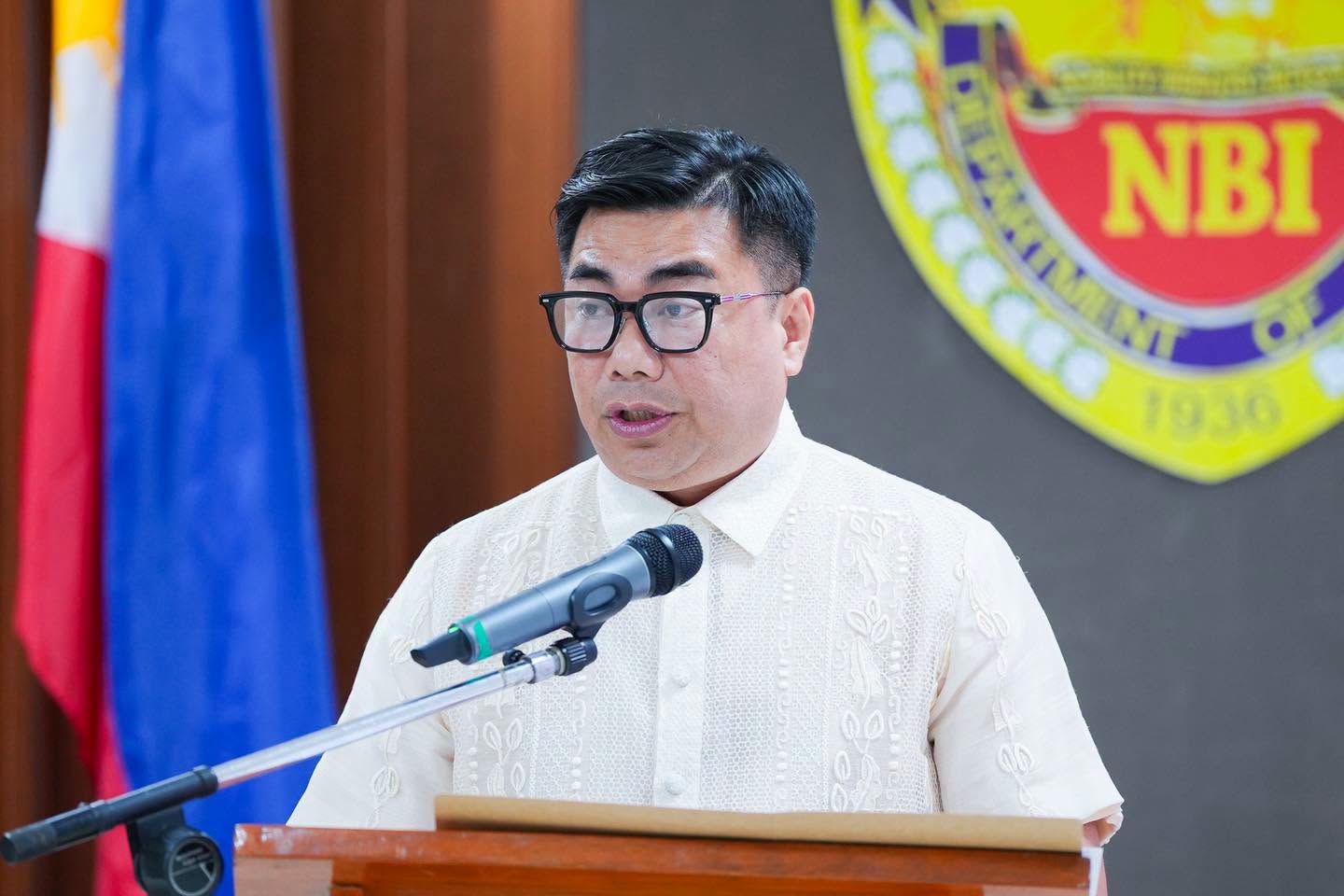

Ten boxes of records from the Department of Public Works and Highways (DPWH) Region 11 office were hauled into the National Bureau of Investigation (NBI) headquarters in Pasay City on Thursday, September 24, arriving with regional director Juby Cordon, who reported at around 1 p.m. to comply with a subpoena linked to suspected anomalies in Davao flood control works. Cordon did not take questions from reporters waiting outside.

Dated September 17, the subpoena required Cordon to produce documents on 37 contracts, most of them located in Davao City and Davao del Sur. It cited possible malversation under the Revised Penal Code, along with potential violations of the Anti-Graft and Corrupt Practices Act and the Anti-Money Laundering Act.
The appearance coincided with a disclosure from NBI Director Melvin Matibag that the money under scrutiny is far larger than first reported. Preliminary figures from the Commission on Audit (COA) show a single contractor bagged 51 projects worth roughly P7 billion between 2018 and 2024, Matibag said, with most of those awards concentrated from 2022 onward.
“The initial report we received from COA was P7 billion,” Matibag told dzRH. “One contractor had P7 billion worth of projects, with 51 projects.”
Earlier accounts had placed the figure at P1.9 billion, covering contracts that went to Genesis88 Construction Inc. in the congressional district of Davao City Rep. Paolo Duterte.
From 100 projects reviewed using DPWH records, investigators have singled out 47 for deeper examination. Six of them looked clearly questionable on first review, including suspected ghost or substandard works and entries that shared identical coordinates yet carried separate titles and budgets.

Matibag was careful to say the probe is not aimed at any politician, and that a project’s location in a lawmaker’s district does not, on its own, prove wrongdoing by that representative.
“What we will first look at is the bidding process,” he said. “It does not automatically mean that a person is criminally involved or conspired in wrongdoing.”
Tying any public official to criminal liability would require evidence of intervention or participation in procurement, the NBI chief said, and the bureau would keep reviewing projects no matter which political camp the officials involved belong to. Whether charges are eventually filed will rest on the documents and testimony still being collected.
DPWH officials have been asked to account for the projects and submit supporting records, while the NBI plans to formally request more documents from COA. The owners of the construction firms involved have already been identified and are expected to be summoned as the case advances.
Investigators are also trying to establish how one firm kept winning contracts and whether bidding and procurement rules were followed, a question Matibag said the bureau would bring to the Philippine Competition Commission. “There are many contractors. Why is it that only one or two repeatedly receive the contracts?” he said.
