



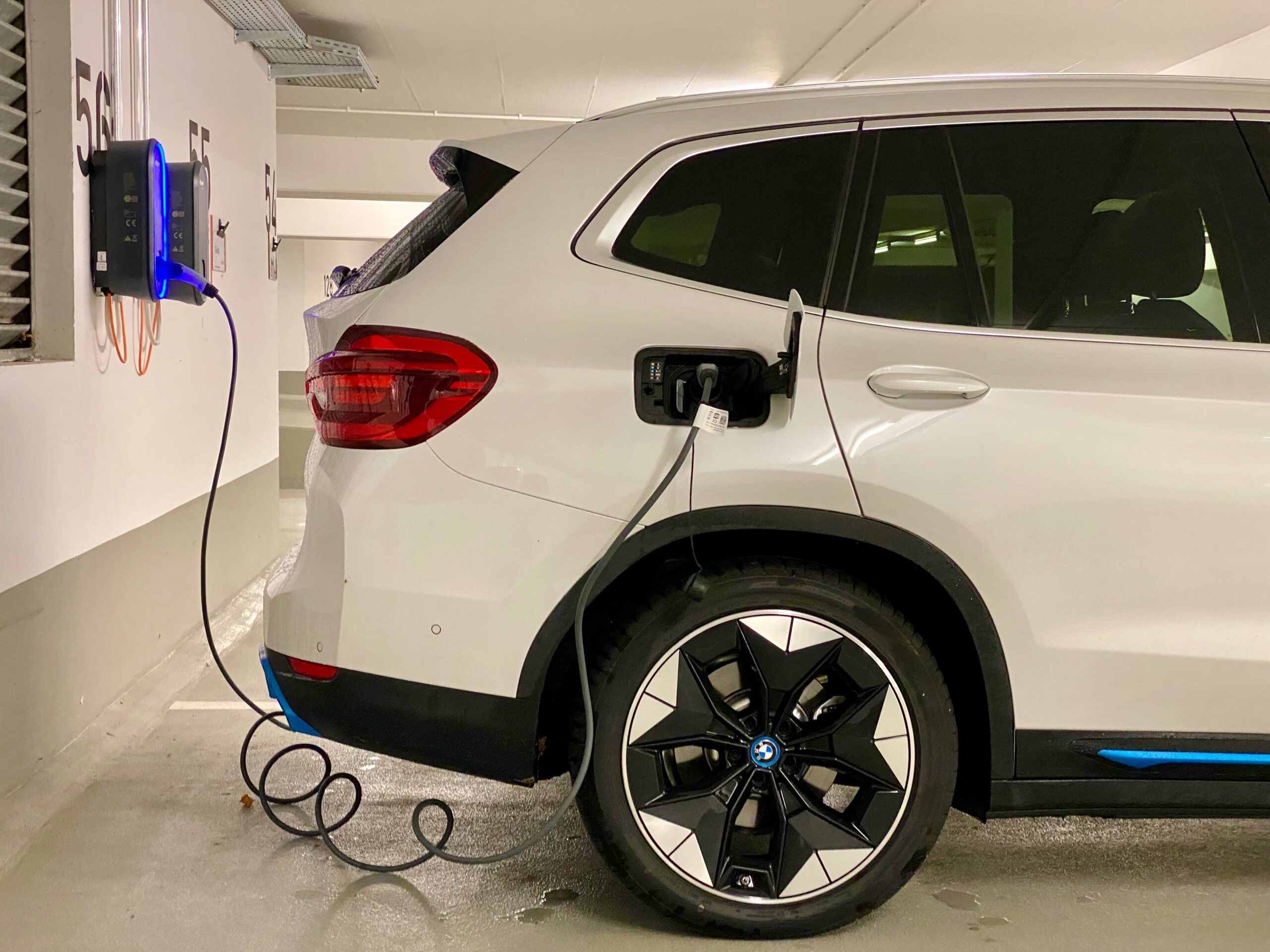

Roughly 2,800 charging points now serve drivers across the UAE, including about 1,250 DC chargers and 350 high-power units, and that growing network has helped the country secure the top Gulf position in a global study of electric vehicle readiness.

The UAE placed 22nd out of 31 markets in the 2026 Global Electric Mobility Readiness Index, compiled by management consultancy Arthur D. Little (ADL), Khaleej Times reported. Its score of 53 points was the highest among the GCC countries included in the ranking.
Electric models made up close to 9 percent of new vehicles sold in the country in 2025. Fully battery-powered cars took an estimated 6 to 8 percent of that market, and plug-in hybrids added roughly 2.5 percent more.
Joseph Salem, a partner at ADL who heads its Middle East travel, transportation and hospitality practice, said the ranking points to a market whose EV ecosystem is becoming more visible and has a clear sense of direction. According to Salem, adoption is picking up speed as investment in charging continues and long-range mobility goals remain in place. Converting that pace into wider uptake, he said, will depend on keeping infrastructure, the supply of vehicles and what customers actually need moving in step.
At the top of the index, only China and Norway crossed the 100-point mark, a level the consultancy treats as signaling that electric cars have reached rough parity in readiness with gasoline and diesel vehicles. China posted 106 points and Norway 103. Singapore came third with 96, ahead of the Netherlands with 90.

ADL credited China’s lead to a combination of strengths, among them vehicle technology, large-scale manufacturing, supply chains for batteries and components, software, charging networks, energy costs, incentives and regulation.
That breadth reflects a central argument of the report: winning the shift to electric mobility now hinges less on the cars themselves and more on everything around them, from charging access and prices to regulation, energy supply and whether buyers are prepared to switch.
The study also found the transition advancing unevenly. Türkiye, Thailand, Vietnam, Indonesia and Brazil are building momentum, each drawing on its own blend of affordability, infrastructure, industrial policy and homegrown companies. ADL said fully electric vehicles are unlikely to spread at a uniform rate, and that plug-in hybrids and range-extended electric vehicles may keep serving as a stepping stone in certain markets.
Alexander Krug, a partner in ADL’s automotive and manufacturing goods practice, said the global fleet would not go electric “at one speed or through one pathway,” adding that companies that succeed will be those that understand each market and its ecosystem.
At the national level, the UAE is aiming for electric or hybrid vehicles to make up half of all cars on its roads by 2050. Dubai has set a nearer goal of pushing EVs past 15 percent of its fleet by 2030.
