



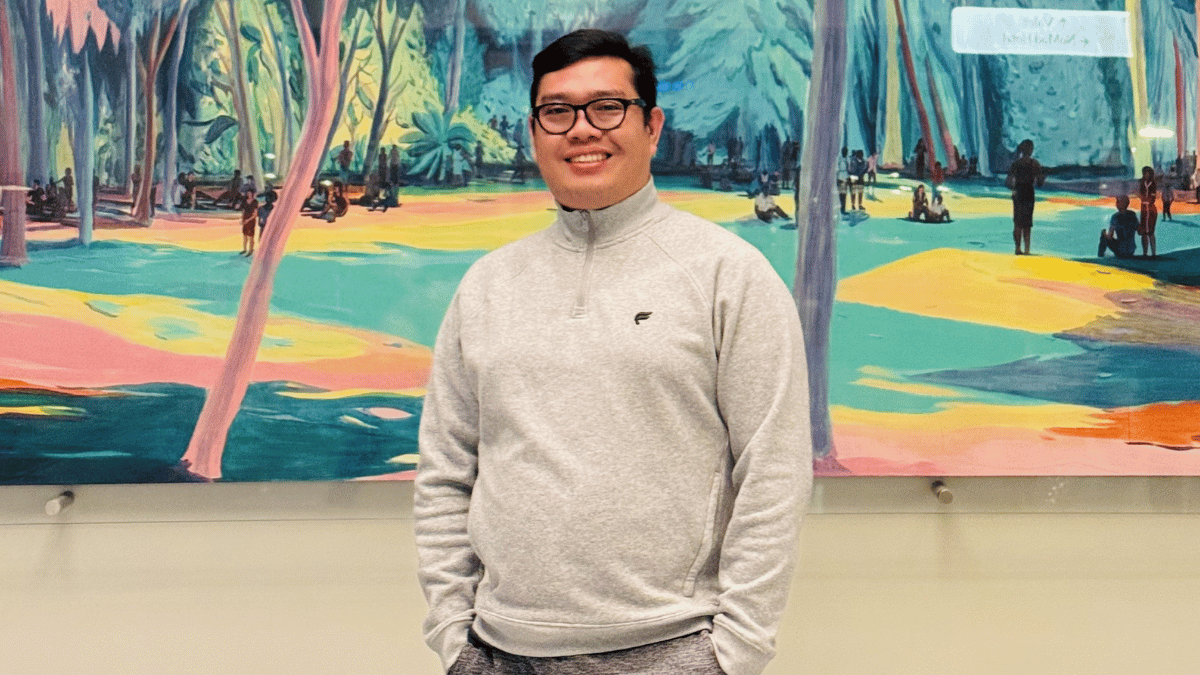

How much of a career would you give up to put five younger siblings through college? For Patrick M. Salinas, the answer included a principal’s title. In 2022, the Filipino educator left school leadership in the Philippines behind and started over in the United States as a middle school math teacher, back at the front of the room with a new system to learn.

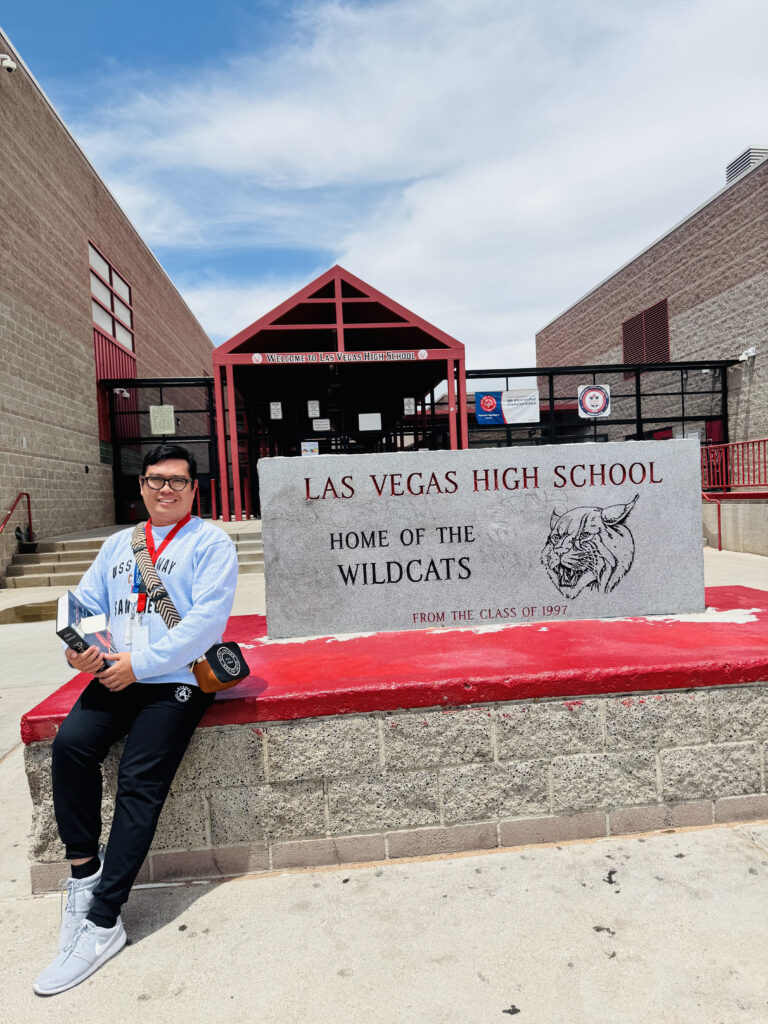
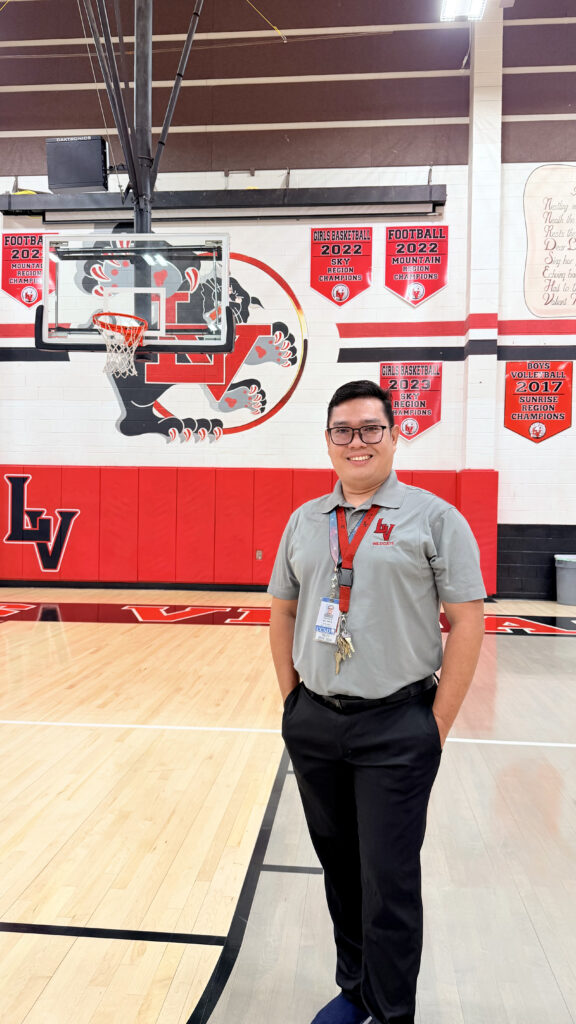
Four years later, the 34-year-old teaches Geometry Honors and AP Precalculus at Las Vegas High School in Nevada, where he also chairs the math department. The role has him leading colleagues, supporting fellow teachers, and mentoring new hires. Beyond his own campus, Patrick facilitates math trainings for the Clark County School District, sharing teaching strategies with educators across the district.
In 2024, he was recognized as one of the outstanding Filipino-American teachers of Nevada. Las Vegas High School also named him Teacher of the Month. Yet when the math department chair talks about those honors, the numbers are almost beside the point.
“For me, these awards are special because they remind me that teaching is not just about mathematics,” Patrick shares with TGFM. “It is also about helping students, supporting teachers, and making a difference in the community.”
The eldest of six
That sense of purpose started at home. Patrick is the eldest of six children, and his parents did not have stable jobs. By college, he was a working student, balancing a job and his studies at the same time.
“It was not easy to balance work and studies,” the Filipino educator recalls, “but the experience taught me the value of hard work, determination, and making the most of every opportunity.”
Those years made the decision to go abroad feel less like a choice than an obligation he was glad to carry.
“The main reason I chose to work abroad was to provide for my family and support my younger siblings,” Patrick explains. “By working abroad, I have been able to help fund their college education and support their needs.”
He is careful not to frame the move as purely a career play. “For me, working abroad was not only about building my own career,” he adds. “It was also about making sacrifices for my family and helping my siblings achieve their dreams.”
A hard first year
Before Nevada, Patrick had already built a substantial career in Cebu. He served as a school principal at Southwestern University PHINMA and taught in its College of Education, preparing future teachers for the profession. He coached and mentored educators and worked as a review lecturer for the Licensure Examination for Teachers.
He arrived in the United States on the J-1 Exchange Visitor Program with years of leadership behind him. It did not make the first year any easier.
“There were days, especially during my first year in the United States, when I wanted to give up and go back home,” the former principal admits. “Moving from being a school principal in the Philippines to becoming a classroom teacher again was a big adjustment for me.”
The new school system, the unfamiliar culture, the distance from family all arrived at once. Homesickness, Patrick says, did not wait for the obvious moments. It could hit during holidays and special occasions, or on “ordinary days when I simply miss my family, friends, and life back home.”

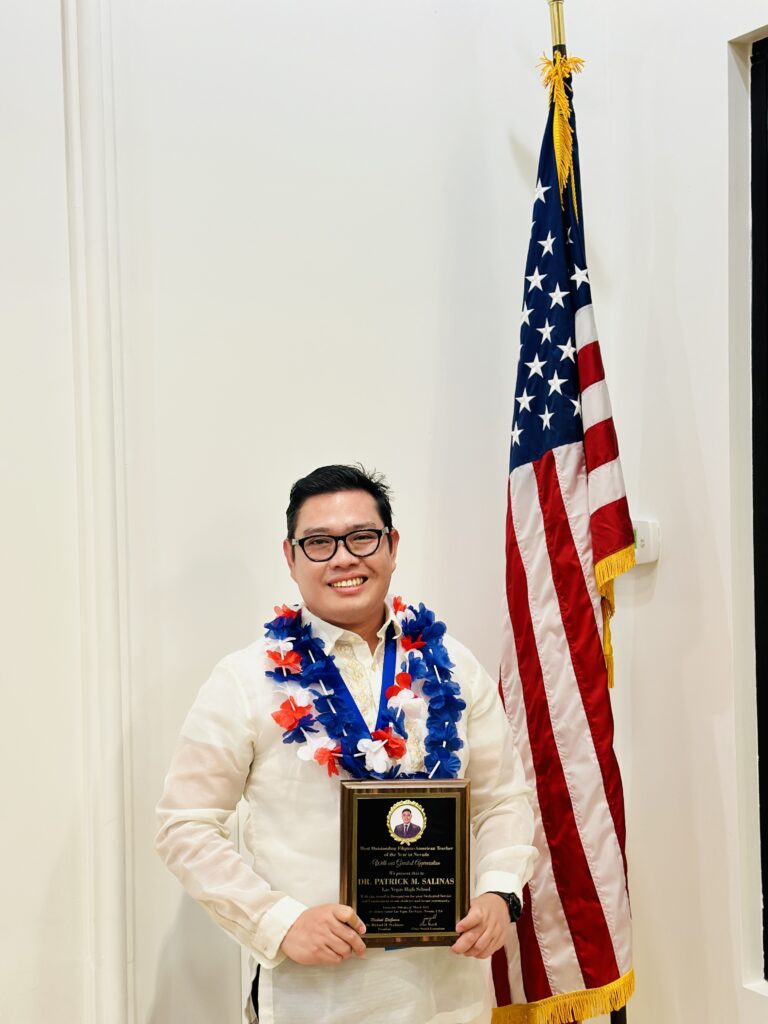
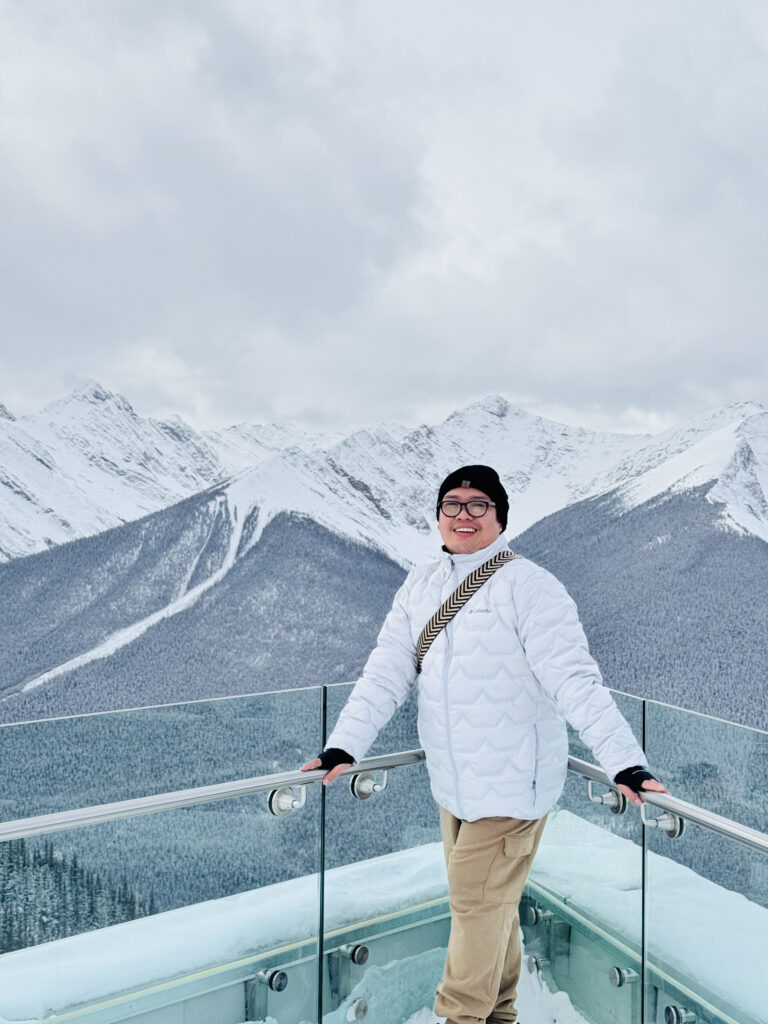
What pulled him through was a small circle of friends he met in the U.S. The group met almost every week to trade struggles and advice, and to laugh. “One important lesson I learned was to choose the right people to surround myself with,” the J-1 teacher says. His family stayed close through calls and social media, and faith did the rest. “During difficult times, I learned to trust God, stay positive, and remind myself of my purpose.”
He also found an outlet on the court. Volleyball and pickleball became his way to decompress, meet new people, and keep work from swallowing everything else.
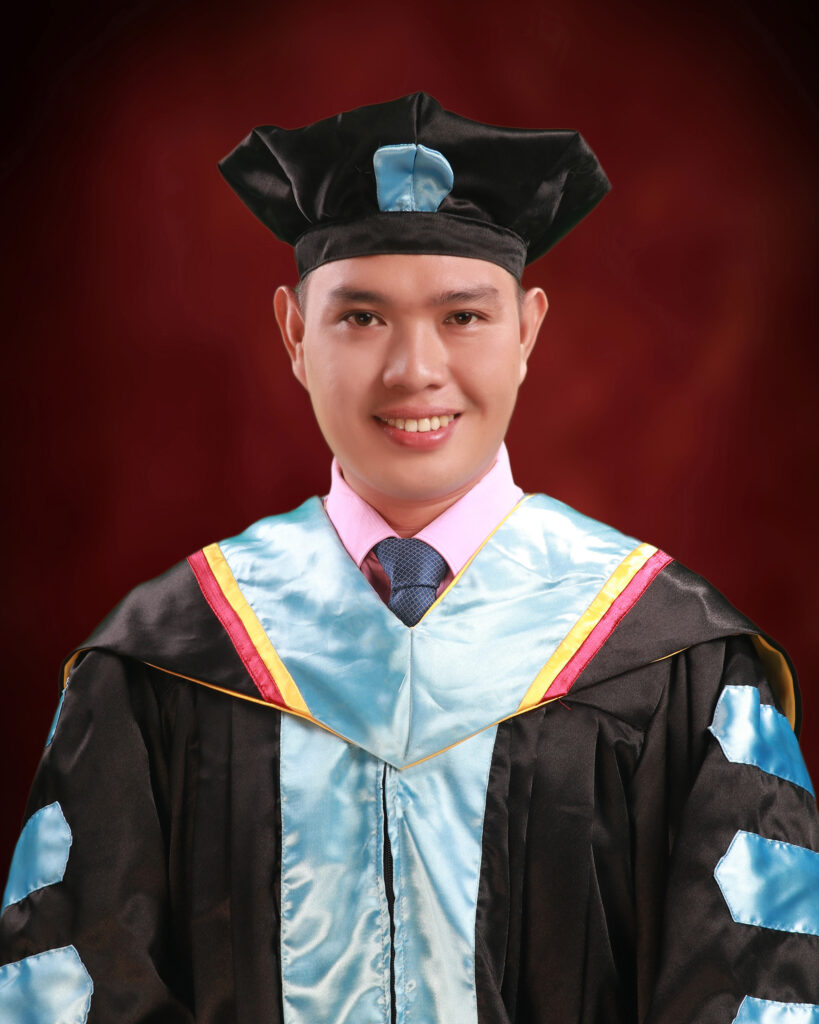
After a year in middle school, Patrick moved up to the high school level, where he has since taken on the leadership roles he now holds.
Teaching beyond the equations
What keeps the math teacher going now is less about curriculum and more about the people around him. He talks about preparing students “not only academically but also for life,” and about the exchange that happens in both directions when a Filipino teaches in an American classroom.
Part of his work involves supporting newer J-1 teachers in the district as they “adjust, survive, and thrive in a new environment,” a role that clearly draws on his own rocky first year. The other part is cultural. Patrick performs at Filipino community gatherings, including the Pinoy Pride Festival, where he shares Filipino culture with audiences from different backgrounds.
“The most satisfying part of my work is knowing that I can make a difference while also learning from and building connections with the people around me,” the department chair says.
He credits the experience abroad with making him “more independent, adaptable, and open-minded.” He sees himself as a bridge, bringing what he learned in the Philippines into American classrooms while collecting new strategies to pass along to other teachers.
A return ticket with a purpose
The J-1 program comes with a clear endpoint. Participants are expected to return home and fulfill a two-year home residency requirement, and Patrick has already mapped out what he wants to do with that time. He plans to bring the teaching strategies and leadership skills he gained in the U.S. back to Filipino students and teachers, and to help improve classroom practice at home.
He is open to working abroad again, in the U.S. or elsewhere, if the right opportunity comes. But the plan he speaks about most personally has less to do with where he works than with who he can help. Remembering his own years as a working student, Patrick hopes to support students who have the ability and desire to study but lack the money to do it, whether through tuition, school supplies, or a daily allowance.
For fellow kababayans still finding their footing overseas, his advice comes straight from that difficult first year.
“Remember that it is okay not to know everything right away,” the Filipino educator says. “Be kind to yourself and give yourself some grace and time to learn.”
He urges them to ask for help without embarrassment, be wise with money, stay connected with family, and hold on to the reason they left in the first place.
“There will be difficult days when things may not go according to your plans,” Patrick says, “but have faith that everything has its purpose.”
