




Would-be barangay and youth council officials will still be able to submit their candidacies next week, with the Commission on Elections (Comelec) keeping its calendar intact while a bill to defer the vote awaits action in Malacañang. Under the poll body’s 2026 BSKE calendar, certificates of candidacy (COCs) may be filed from September 28 to October 5.

Comelec Chairman George Garcia has said the timetable holds as long as the existing law stands. He said that once a postponement law is enacted, all election activities would halt the following day. “In case a law has been approved and signed, there will be no filing (of COCs),” Garcia said.
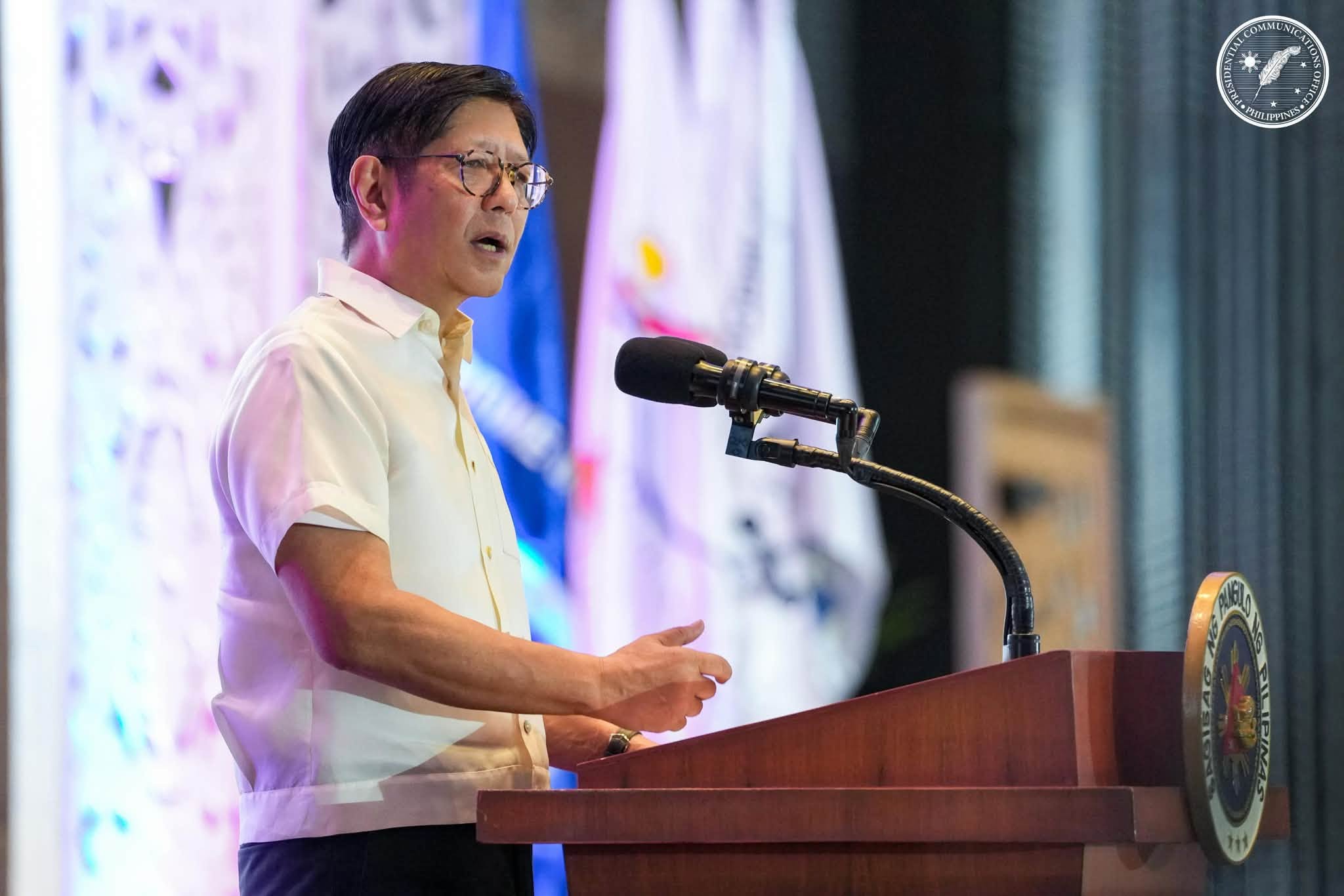
That law does not exist yet. President Ferdinand Marcos Jr., approached by reporters on Wednesday after attending the Philippine Maritime Convention 2026, said the proposed measure had not arrived at his office and that no final decision had been made on whether the November 2 elections would be moved.
“Wala pa sa ‘kin,” the President said.
The measure in question, Senate Bill 2387, was authored by Senator Chiz Escudero and seeks to amend Republic Act No. 12232 by setting a five-year term for all elected barangay and Sangguniang Kabataan (SK) officials. Under its provisions, the polls scheduled for November 2, 2026, would be moved to the second Monday of November 2028 and held every five years after that.
The bill cleared the Senate on September 14, 2026, with 13 senators voting in favor. Senate President Pro Tempore Vicente Sotto III and Senators Francis Pangilinan, Joel Villanueva, Bam Aquino, and Risa Hontiveros voted against it. The House of Representatives then adopted the Senate version on September 16, bypassing a bicameral conference and sending the measure directly to the President for signature. Sorsogon Representative Bernadette Escudero moved on the floor for the chamber to take up the Senate bill as an amendment to its own House Bill 10971.

When the House version was first filed, Philstar.com reported that about 60 lawmakers invoked what they called an “energy emergency,” pointing to fuel price increases driven by the war in the Middle East and the cost of holding elections every three years.
If signed, the extension would reshape eligibility for the next round of village polls. Incumbent barangay officials would gain two more years in office and be considered to have served one full term in their positions. Those currently serving a third consecutive term would be barred from running in 2028, while SK officials would remain limited to a single term. The last BSKE was held in 2023.
Garcia has explained why the Comelec cannot stand down early. He raised the possibility that the President might not sign the bill, might veto it, or that the Supreme Court might issue a temporary restraining order, any of which would leave the poll body unprepared for November 2 if it had stopped work. He also noted that teachers who will sit on electoral boards need immediate training because many newer teachers are unfamiliar with the manual process used in barangay polls, and that the commission is mobilizing one million of them. The Daily Tribune reported that the Comelec has already spent some P8 billion on preparations.
Among the bill’s opponents in the Senate, Sotto argued that it fails to meet the criteria the Supreme Court laid down in Comelec v. Macalintal for a valid postponement, and that there is no reason to defer the polls when the Comelec is already prepared.
Election lawyer Romulo Macalintal, one of the petitioners in the consolidated cases in which the Supreme Court declared the postponement of the 2022 BSKE unconstitutional, has formally asked the President to reject the bill. In a September 17 letter-petition, Macalintal urged Marcos to veto the measure and requested a meeting with him and his legal advisers to present his objections, arguing that elections may be postponed only under exceptional circumstances backed by substantial and compelling reasons.
