



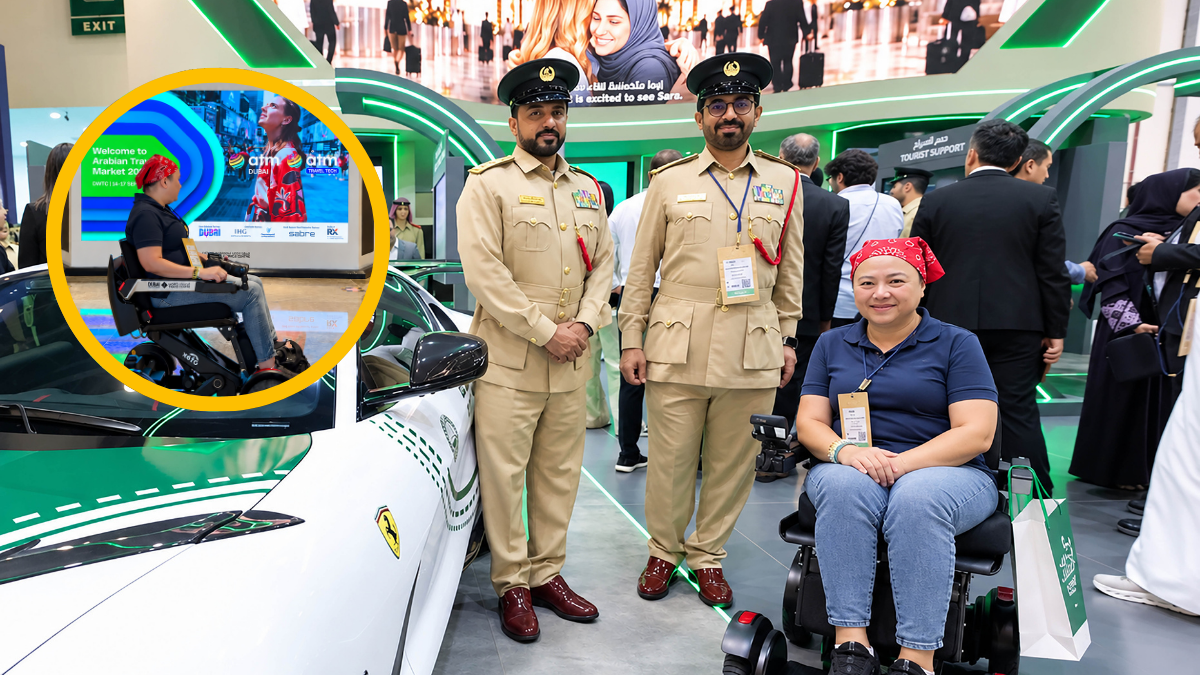

At Arabian Travel Market, I went looking at destinations. As a wheelchair user, I found myself thinking just as much about what it would actually take to experience them.

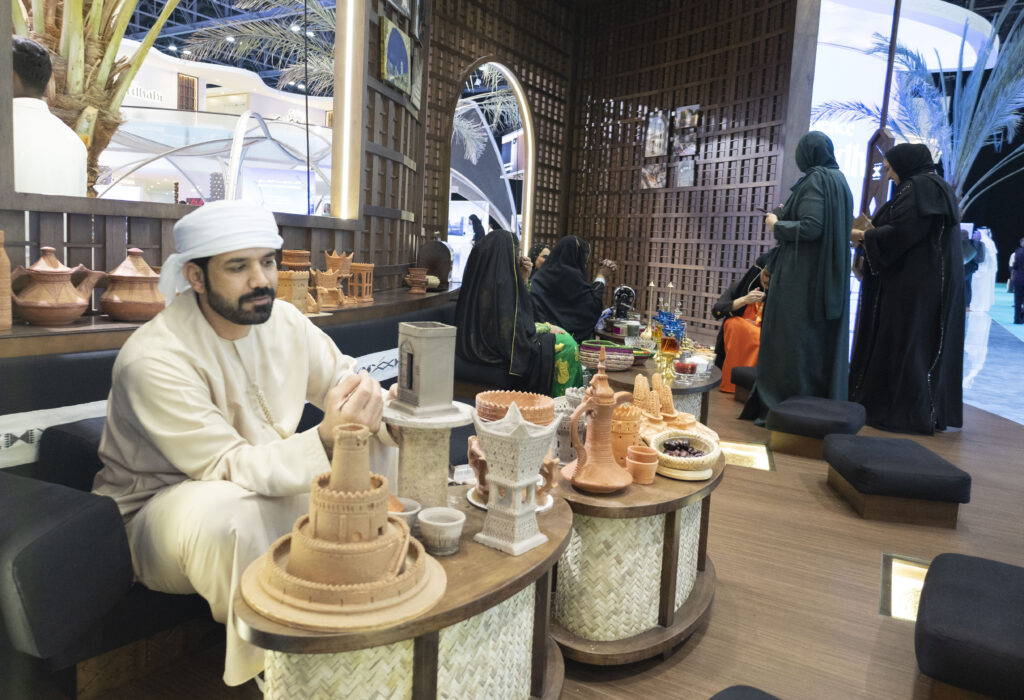
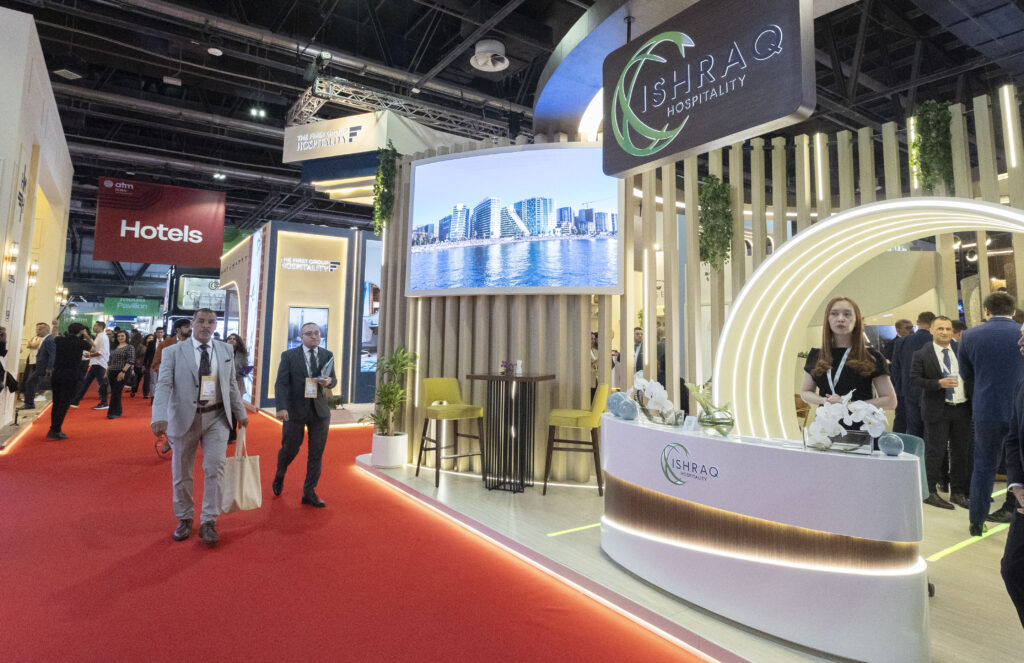
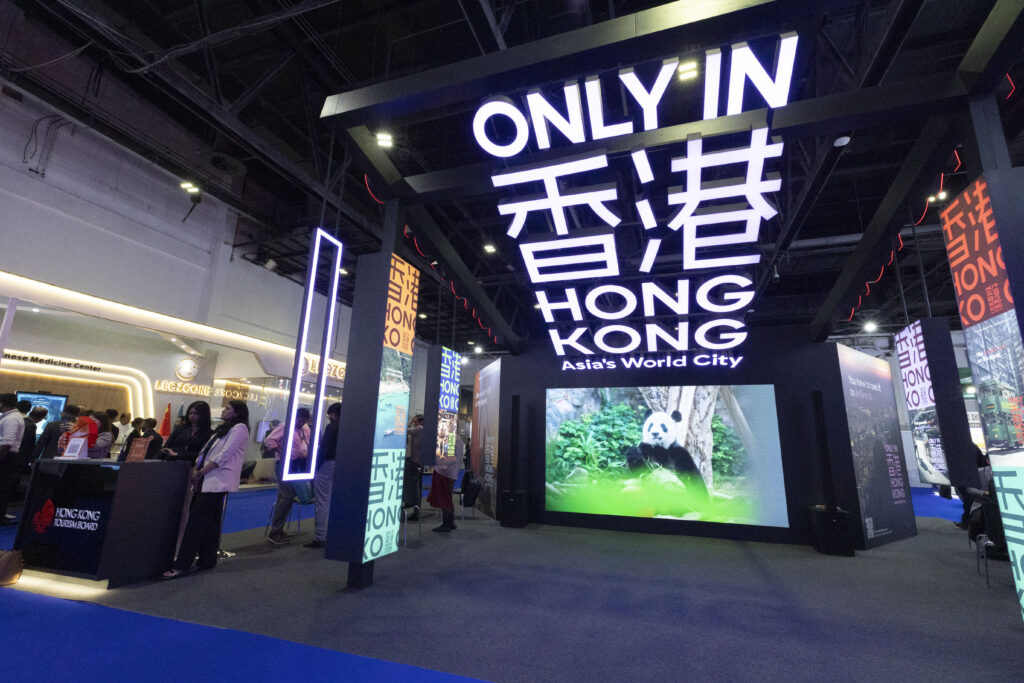
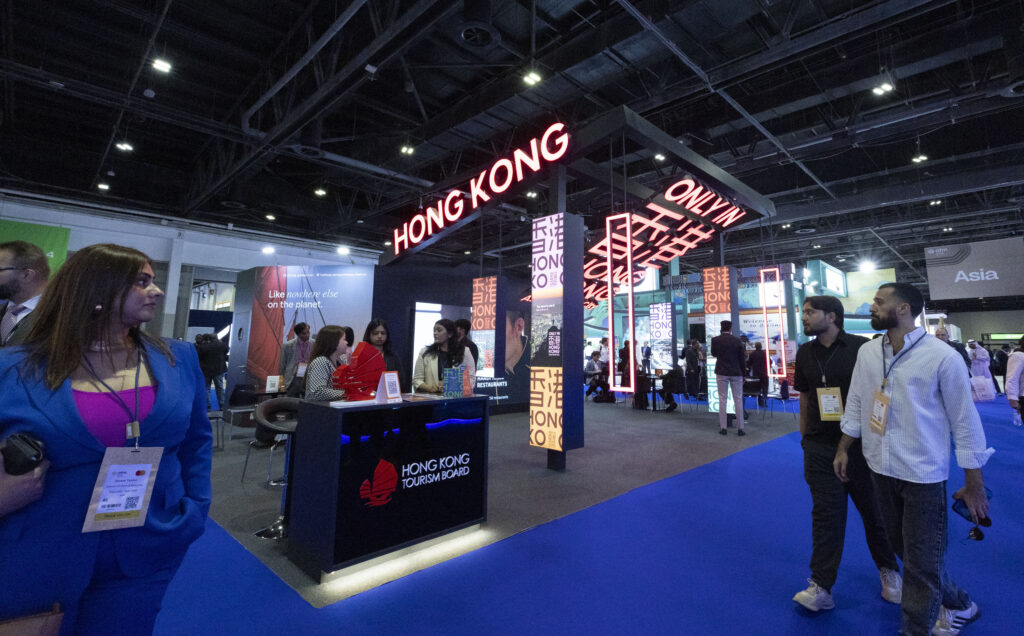
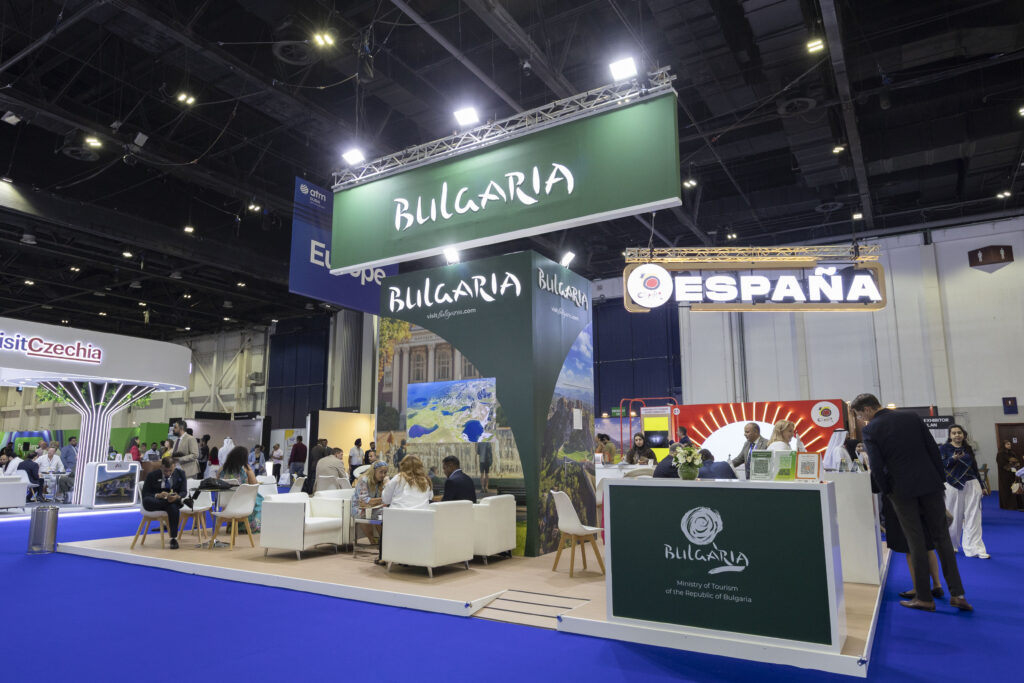
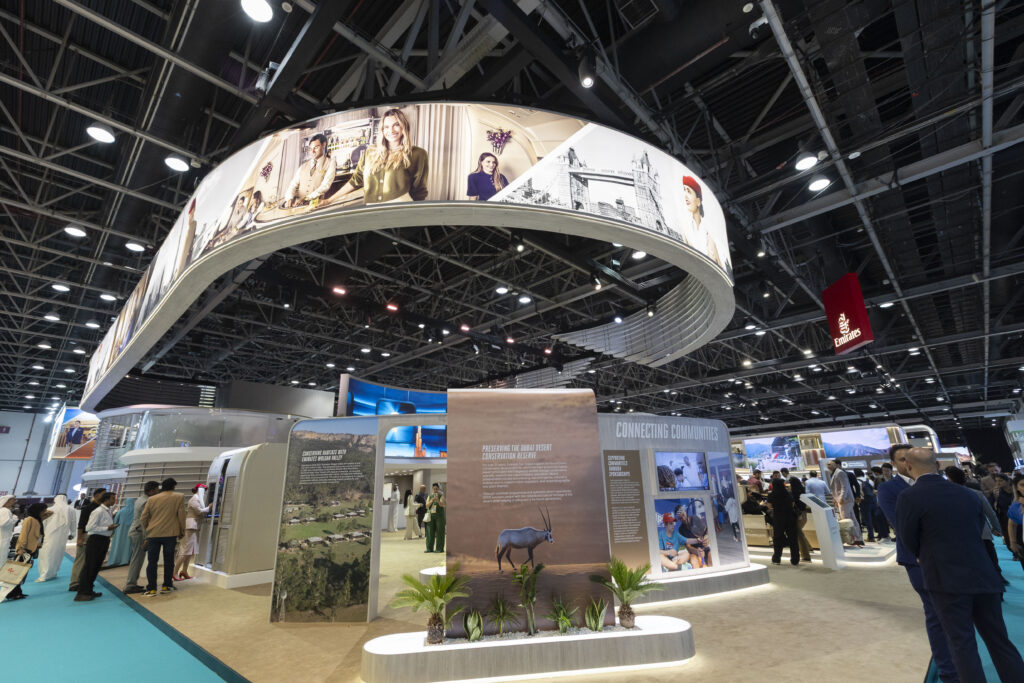
For a few hours at Arabian Travel Market in Dubai, I travelled from the Maldives to Morocco, Sri Lanka, Qatar, Seychelles, Hatta and Abu Dhabi without boarding a plane.
Sometimes, the distance between destinations was only a few exhibition stands.
As a photojournalist, I was there to cover one of the region’s biggest travel events. But as a Person of Determination and wheelchair user, I naturally found myself looking at everything through a slightly different lens.
Giant screens showed beautiful beaches, old cities, mountain escapes, luxury resorts, food experiences and adventure holidays. Every stand was designed to make you want to pack a bag.
And I kept thinking: how much of what I am seeing could someone like me actually experience?

I was not there to investigate which country was the most accessible. I was simply curious.
If I arrived with my motorised wheelchair, could I leave the airport easily? Could I find suitable transport? Could I wander through an old town, enter a restaurant, reach the beach or visit the attractions being shown on those screens?
More importantly, how much of it could I do independently?
That word matters to me.
Accessibility is often measured by ramps, lifts, accessible toilets and hotel rooms. All of those are important. But for someone who uses a wheelchair, accessibility is also about being able to make ordinary choices without needing help at every stage.
Can I change my plans? Stop somewhere for coffee? Explore something that was not on the itinerary? Can I simply decide where I want to go next?
Living in the UAE has given me a useful point of comparison.
From my own experience, Dubai in particular has shown me how much accessible public transport can change the way a wheelchair user experiences a city. I have used the Metro to move around independently, reaching shopping areas, attractions and different parts of Dubai without constantly relying on another person.
For a tourist, that connection matters.
Accessibility is not only about the hotel room or the entrance to an attraction. It is also about what happens in between: getting from the airport to the city, moving between places, reaching a restaurant, going shopping or changing your plans halfway through the day.
No destination is perfect, but when transport and tourism connect, a wheelchair user has far more freedom to experience a place on their own terms.

But before reaching the Metro, hotel, restaurant or beach, there is one rather important detail.
Can I actually get there with my wheelchair?
I have not flown since becoming a wheelchair user, so this is something I now think about very differently.
For many travellers, preparing for a holiday might mean checking the passport, packing a charger, choosing comfortable shoes and making sure there is enough sunscreen.
My list would look a little different.
Passport? Yes.
Phone charger? Yes.
Wheelchair charger? Definitely.
And then: What battery does my wheelchair use? Is it lithium, gel or another type? What is its rating? Can the battery stay attached? Does the airline accept it? How heavy is my chair? What are its dimensions? Will it fit through the aircraft cargo door? Do I need airline approval before I travel?

Suddenly, checking whether the hotel has a sea view seems like the easy part.
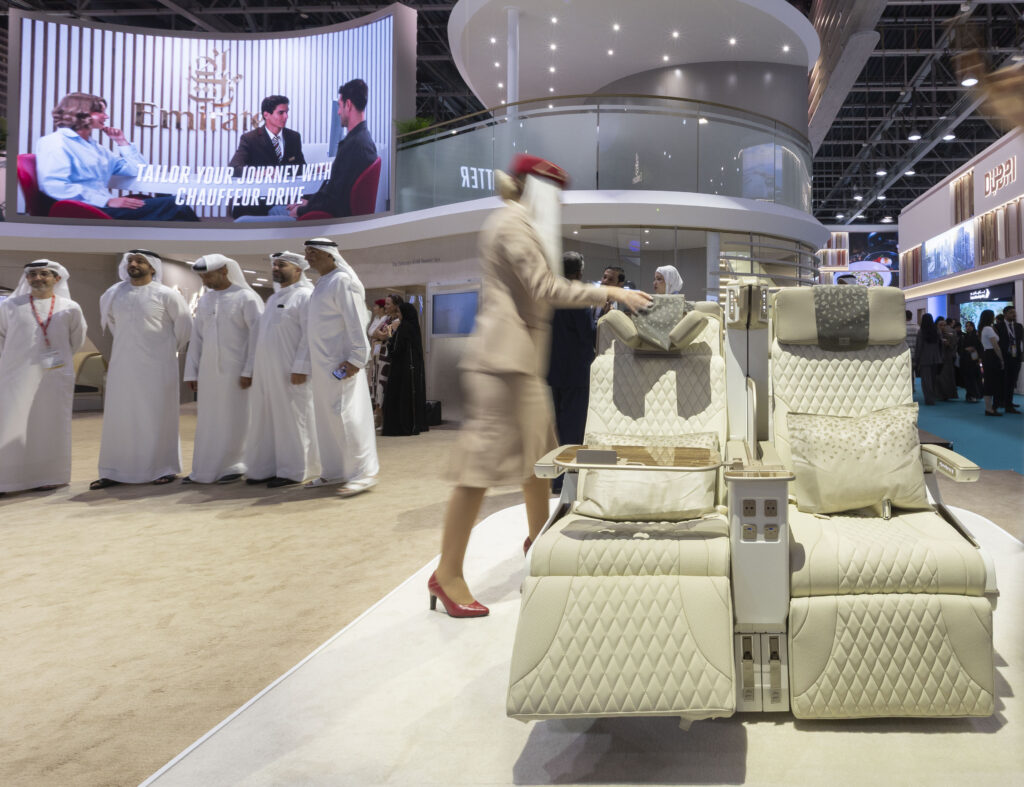
At ATM, I had the opportunity to speak with an Emirates cabin crew member about travelling as a wheelchair passenger.
I told her that I am quite independent. I do not want people automatically carrying me, touching me or doing everything for me simply because I use a wheelchair. I want assistance when I need it, while still being allowed to do what I can for myself.
She explained that wheelchair assistance is available at the airport, while passengers who prefer to do things independently can still do so where possible. Once at the aircraft, onboard wheelchairs are available for moving through the narrower cabin.
That conversation stayed with me because it touched on something that sometimes gets lost in discussions about disability.
Assistance and independence do not have to be opposites.
With a motorised wheelchair, however, the chair itself becomes a passenger you have to prepare for.
Airlines need certain information in advance, particularly about the battery, size and weight of the chair. Battery powered mobility aids also have different handling requirements depending on the type of battery.
For someone like me, that means knowing your wheelchair almost as well as you know yourself.
I would want a photograph of the battery label on my phone. I would want the battery specifications, the weight and dimensions of the chair, instructions on how to put it into freewheel mode, how to switch it off properly and how the controls should be protected.
I would also want the people handling it to know one very important thing:
This is not just luggage.
For many wheelchair users, that chair is independence.
If it arrives damaged, the problem is not the same as finding a broken suitcase on the baggage carousel. It can mean suddenly losing your mobility in a foreign country.
And the questions do not end once the wheelchair has been accepted.
How do I transfer from my chair?
Can I board without being physically lifted if I am able to transfer another way?
Where will my wheelchair be returned to me when I land?
What if I need the toilet during a long flight?
Can I reach it using the onboard wheelchair?
Do I need a particular seat?
Should I take my own cushion with me?
How long will I be separated from my wheelchair?
These are things I probably would not have thought twice about before.
Now they would be part of the journey.
And then, finally, you land.
But congratulations, you have only completed Level One.
Now comes the destination.
Is there an accessible taxi outside the airport, or did I need to book one three days ago?

Will my motorised wheelchair actually fit inside it?
Can I use the train or Metro?
If there is a bus, does it have a ramp?
And when the hotel says it has an “accessible room”, what exactly does accessible mean?
Can my wheelchair fit through the door?
Is there enough room beside the bed for me to transfer?

How high is the bed?
Does the bathroom have a roll in shower?
Are there grab rails where someone actually needs them?
Can I get underneath the sink?
And please tell me the beautifully designed bathroom does not have one small step at the entrance.
Then there is the destination itself.
Cobblestones may look wonderful in photographs. Less wonderful when you are trying to cross them in a wheelchair.
A beautiful old restaurant tucked down a narrow alley sounds charming, until there are three steps at the entrance.
A beachfront resort may be fully accessible inside, but what happens when the pathway ends and the sand begins?
A rooftop restaurant may have a lift, but does the lift actually go all the way to the rooftop?
Even something as simple as charging the wheelchair matters. Will my charger work with the local voltage? Do I have the right adaptor? Where can I charge if I am out all day?
And perhaps the question wheelchair travellers ask more often than most:
Do I need to plan absolutely everything in advance, or can I occasionally just change my mind?
That freedom to be spontaneous is something accessibility can give back to us.
Rolling through ATM made me realise that these questions can look completely different depending on the destination.
Take the Maldives.
The question is not simply whether a resort has an accessible room. There is the airport arrival, the transfer by boat or seaplane, the jetty, the pathways through the resort, the sand and finally the beach itself.
Could my motorised wheelchair make that entire journey?
And if not, what happens in between?
Morocco presents a completely different challenge.
Part of experiencing the country would surely be its medinas, souks, traditional riads and historic streets. I would not want an accessible version of Morocco that means only seeing modern hotels and shopping centres.
I would want Morocco.
So the more interesting question becomes whether accessibility can reach the very places that give a destination its character.
When I asked about Sri Lanka at ATM, I was told that accessibility improvements were being considered and were part of future plans.
It was not a detailed answer, but perhaps that itself says something about where accessible tourism stands today.
Some destinations are already much further into the conversation. Others are only beginning it.
And I do not necessarily see that negatively.
What matters is that the conversation keeps moving forward.
Several exhibitors I approached had information to share. Others needed to check with colleagues, while some spoke about improvements that were still being planned.
That made me realise there is another form of accessibility that receives far less attention.
Information.
Before I spend money on a flight, I should be able to find out whether the transport, hotel and attractions can accommodate me.
A wheelchair traveller should not need ten emails and five phone calls just to discover whether the taxi from the airport can take their chair.
Clear and easy to find accessibility information should be part of the travel experience itself.
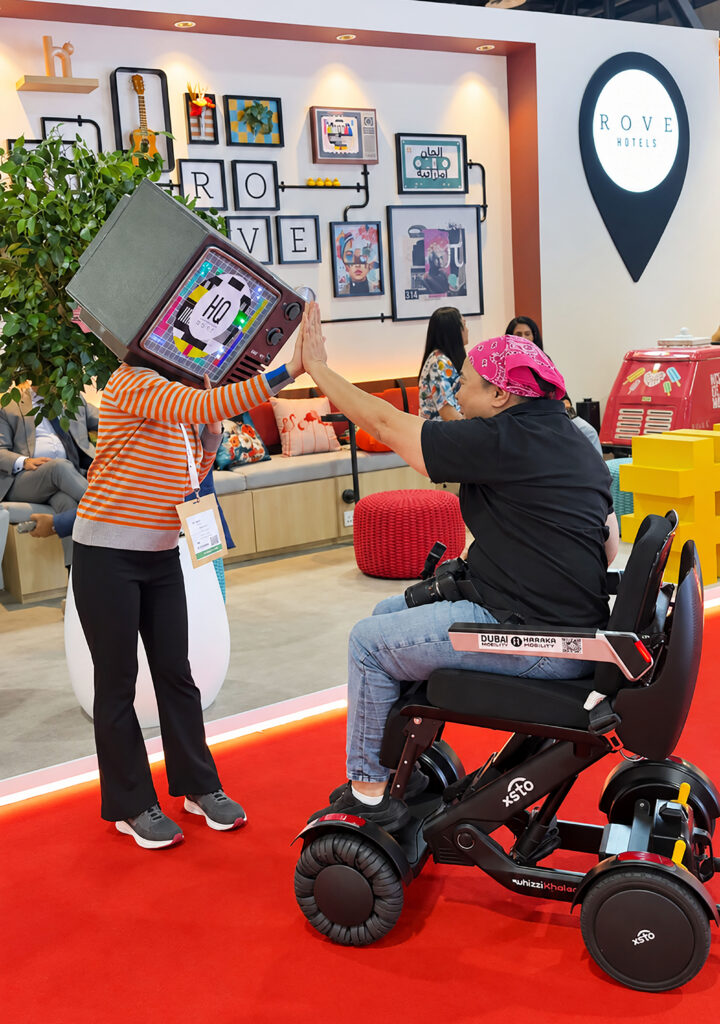
At ATM, I was using my motorised wheelchair from Dubai Mobility. I moved between halls, took photographs, stopped at stands, spoke to exhibitors and covered the event as I normally would.
There were countries everywhere.
Beaches on giant screens. Mountains. Resorts. Cities. Food. Adventure.
And perhaps the simplest accessibility story of the day was happening right there.
I was working.
I was moving around independently.
I was deciding where I wanted to go next.
There was nothing particularly dramatic about it.
And that is really the point.
Sometimes accessibility is not about creating a special experience for someone with a disability.
It is about making it possible for us to have the experience everyone else is already having.
By the end of ATM, I realised I was not really interested in deciding which destination was the most accessible.
The UAE was not really part of that comparison for me. It was my point of reference. I live here, and I have experienced for myself how accessible transport, public spaces and many tourist areas can give me more independence. It is not perfect, and there is always more that can be improved, but I know from experience what a difference that kind of access makes.
What interested me more was seeing how that same conversation is developing elsewhere.
As tourism continues to evolve, will accessibility become something destinations consider from the beginning, rather than something travellers with disabilities have to ask about afterwards?
Because ultimately, I do not want to travel somewhere and spend the entire holiday thinking about my wheelchair.
I want to think about the view.
The food.
The photographs.
The people I meet.
Whether I ordered too much dessert.
Whether I should have stayed another day.
The same things everybody else thinks about when they travel.
The world being promoted inside ATM looked exciting.
For travellers like me, there is only one more thing we need to know.
Can we be part of it too?
