



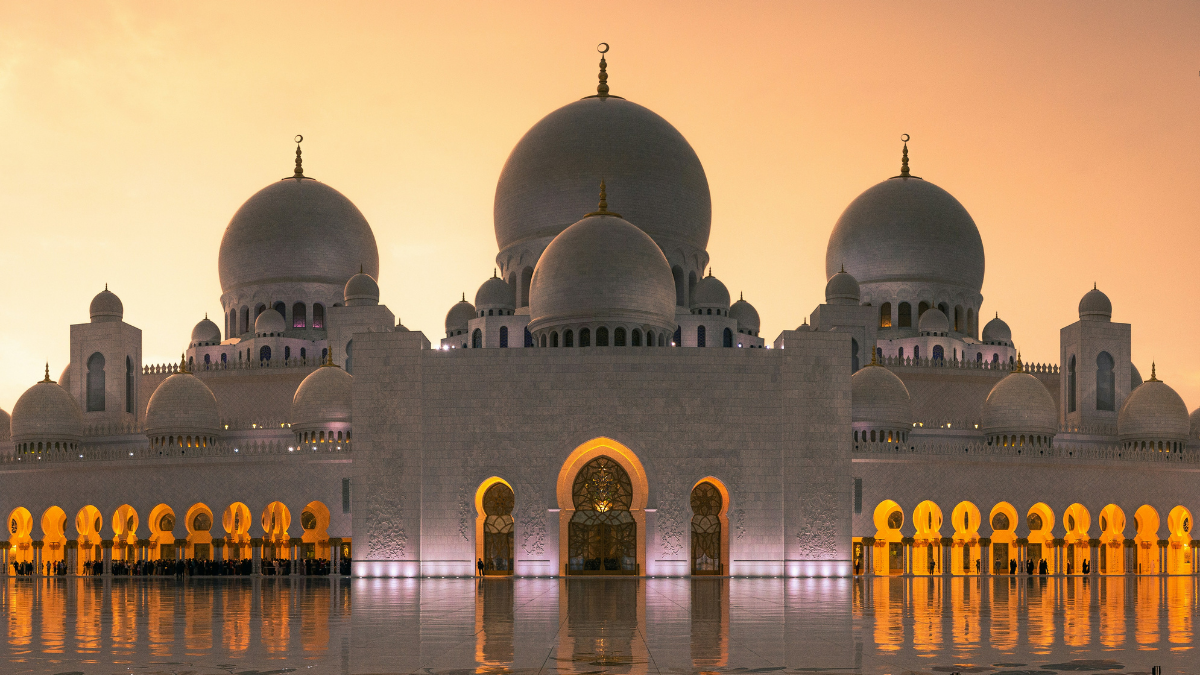

Visitors touring the Sheikh Zayed Grand Mosque in Abu Dhabi will now be subject to a nominal admission fee, according to the Sheikh Zayed Grand Mosque Centre (SZGMC), as part of measures to manage visitor numbers and maintain the site’s facilities.

The fee is set at AED5 for UAE residents presenting a valid UAE ID, while tourists and other international visitors will pay AED10. Visitors arriving as part of organised tour groups booked through tourism companies will be charged AED8 per person.
The new charges apply specifically to sightseeing visits and do not extend to Muslims entering the mosque to perform prayers or participate in religious activities. Daily prayers, Friday prayers and other worship-related visits remain free of charge.
The SZGMC said the arrangement is intended to help regulate visitor traffic, particularly as the mosque continues to receive large numbers of guests throughout the year. Revenue from the charges will also support the upkeep of the site, including cleanliness, hospitality services and cultural education initiatives.
Certain visitors are exempt from the fees. These include children and people aged 60 and above.

Separate arrangements are also maintained for worshippers and tourists, with dedicated access routes for those visiting the mosque for religious purposes. This allows prayer activities to continue without being affected by the flow of sightseeing visitors.
Tourist visiting hours have also been set under the new arrangement. From Saturday to Thursday, sightseeing visits are permitted continuously from 9:00 a.m. until 10:00 p.m.
On Fridays, tourist access will pause during the period allocated for the Friday sermon and prayer. The morning visiting period runs from 9:00 a.m. to noon, before resuming from 3:00 p.m. until 10:00 p.m.
The Sheikh Zayed Grand Mosque remains one of Abu Dhabi’s major religious and cultural landmarks and attracts millions of visitors annually. Its design and visitor programmes reflect its wider role as a site associated with Islamic heritage, cultural exchange, tolerance and coexistence.
