



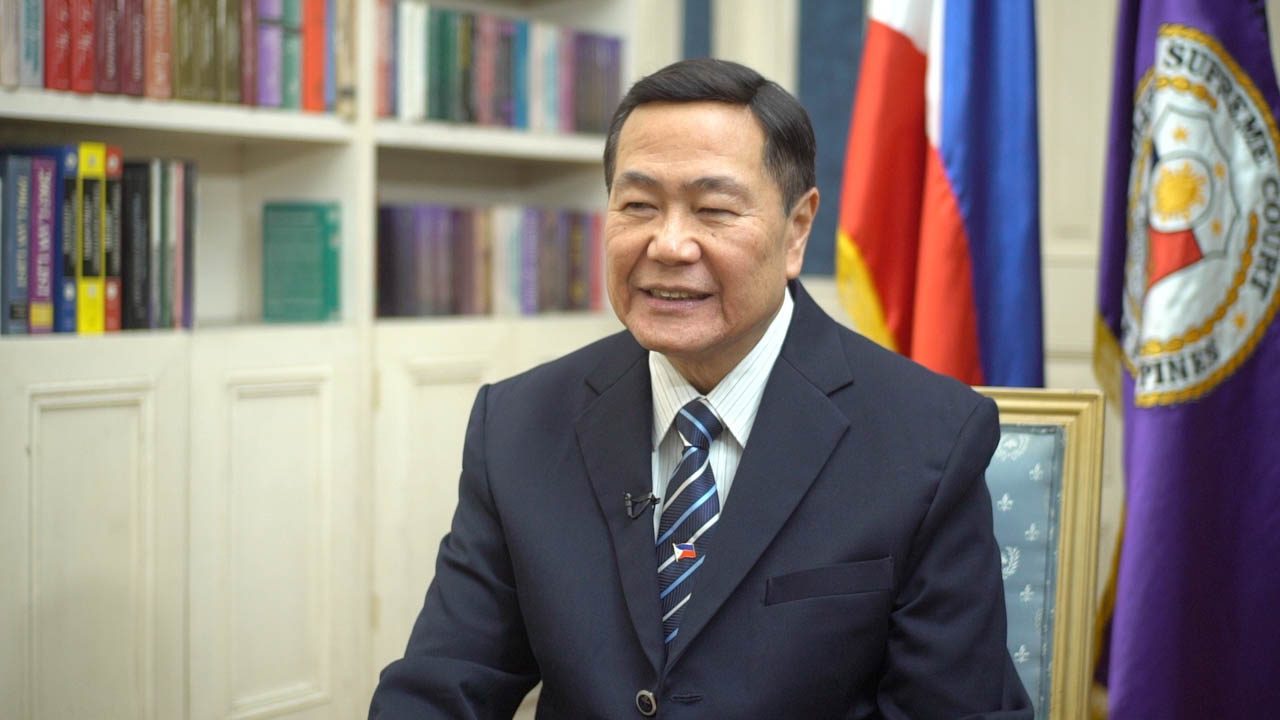

Retired Supreme Court Associate Justice Antonio Carpio has put a hard number on a question that could shape the outcome of Vice President Sara Duterte’s impeachment trial: by his reading, just 21 of the Senate’s members are actually qualified to sit in judgment and cast a vote.

“That’s the present situation now. 21 lang ang senator-judges natin ngayon (we only have 21 senator-judges right now),” Carpio said in an interview on Super Radyo dzBB.
His argument rests on how the two-thirds conviction threshold is calculated. That fraction, Carpio said, has to be drawn from a denominator made up only of senators eligible to vote — which means lawmakers who are detained or who have not taken their oaths fall out of the count entirely.
To explain when a senator loses the capacity to serve, Carpio pointed to the effect of criminal charges. “Kapag namatay ka na or you were removed or you are suspended because you are charged before the Sandiganbayan because of anti-graft or anti-plunder acts, automatically suspended ka, eh,” he said. He noted that the Supreme Court has already held that an official under preventive suspension for a non-bailable offense cannot hold public office while that suspension stands.
Applying that to the present roster, Carpio named two senators he considers disqualified. “Ganyan din mangyayari. Si (Senators Rodante) Marcoleta at saka si Jinggoy (Estrada). They cannot go in public office. Saka under the anti-graft law, under the anti-plunder law, they are automatically and mandatorily suspended from office,” he said.
A third name, he said, is out for a procedural failing rather than a criminal one. “Si Senator Bato ang problema niya hindi siya nag oath. Nakalagay sa Constitution, when sitting as a senator-judge, they must take their oath. They must be under oath. Hindi siya nag take ng oath,” he said.

The situations behind those three names fill in Carpio’s math. Senator Rodante Marcoleta is in detention over a P75-million plunder case, and Senator Jinggoy Estrada is being held on a P573-million plunder charge. Senator Ronald “Bato” dela Rosa has not surfaced publicly since leaving the Senate grounds on May 14, when authorities tried to serve an International Criminal Court warrant on him.
Carpio’s framing runs against the ruling already issued by Senate President Francis Escudero, who set the base for conviction at the full 24 members. That figure is what the friends of the court were brought in to weigh: on Wednesday, former chief justices Reynato Puno, Hilario Davide Jr., and Artemio Panganiban, along with former Associate Justice Adolfo Azcuna, appeared before the impeachment court as amici curiae to give their reading of a Constitution that fixes conviction at “two-thirds of all the Members of the Senate.”
Other legal figures expect the chamber to move Carpio’s way. San Beda Law professor Atty. Adonis Gabriel, speaking on UH on Record, said the odds are high that Escudero’s 24-vote base will be discarded. “Unang-una, nakita natin ‘yung mga sentimyento ng ating mga tao. Nakita rin naman natin ‘yung mga posisyon ng ating mga dating SC justices,” he said, adding: “So naipaliwanag nila. So base dito, iniexpect ko na magkakaroon ng panibagong posisyon ang Senado bilang impeachment court.”
Whether Escudero reverses himself is less settled. Gabriel said the Senate leader has cast his own ruling as a deliberate move to send the matter to the Supreme Court, and has signaled he is open to a different conclusion. “And sinabi niya, hindi ito katigasan ng ulo. So, parang sinasabi niya na ready siyang makinig. At sinabi niya na kung i-reconsider ko man ‘yung position ko, base ‘yun doon sa pag-unawa niya sa Saligang Batas,” he said.
San Sebastian College Recoletos Manila–Graduate School of Law dean Atty. Rodel Taton, in a separate Super Radyo dzBB interview, urged the senators to weigh the record the former justices laid before them. “Sana may mga naantig doon sa mga sinabi ng ating justices ng SC. And sana kung hindi pa sila nakapag desisyon, marapatin nilang makinig sa ebidensya, tignan ang ebidensya para maayos at tama,” he said. He warned that the decision cannot turn on conscience by itself: “Kasi hindi lang naman konsensya ang kailangan dito. Kailangan din nila tignan, basically, ang ebidensya na prini-present dito sa hukuman, sa impeachment court,” he said.
Taton also held that the manner of counting is finally the senators’ own to settle — a point on which he lined up with the amici curiae. For him, the stakes reach past the parties in the case to the citizens and the public funds he said the proceeding is really about.
