



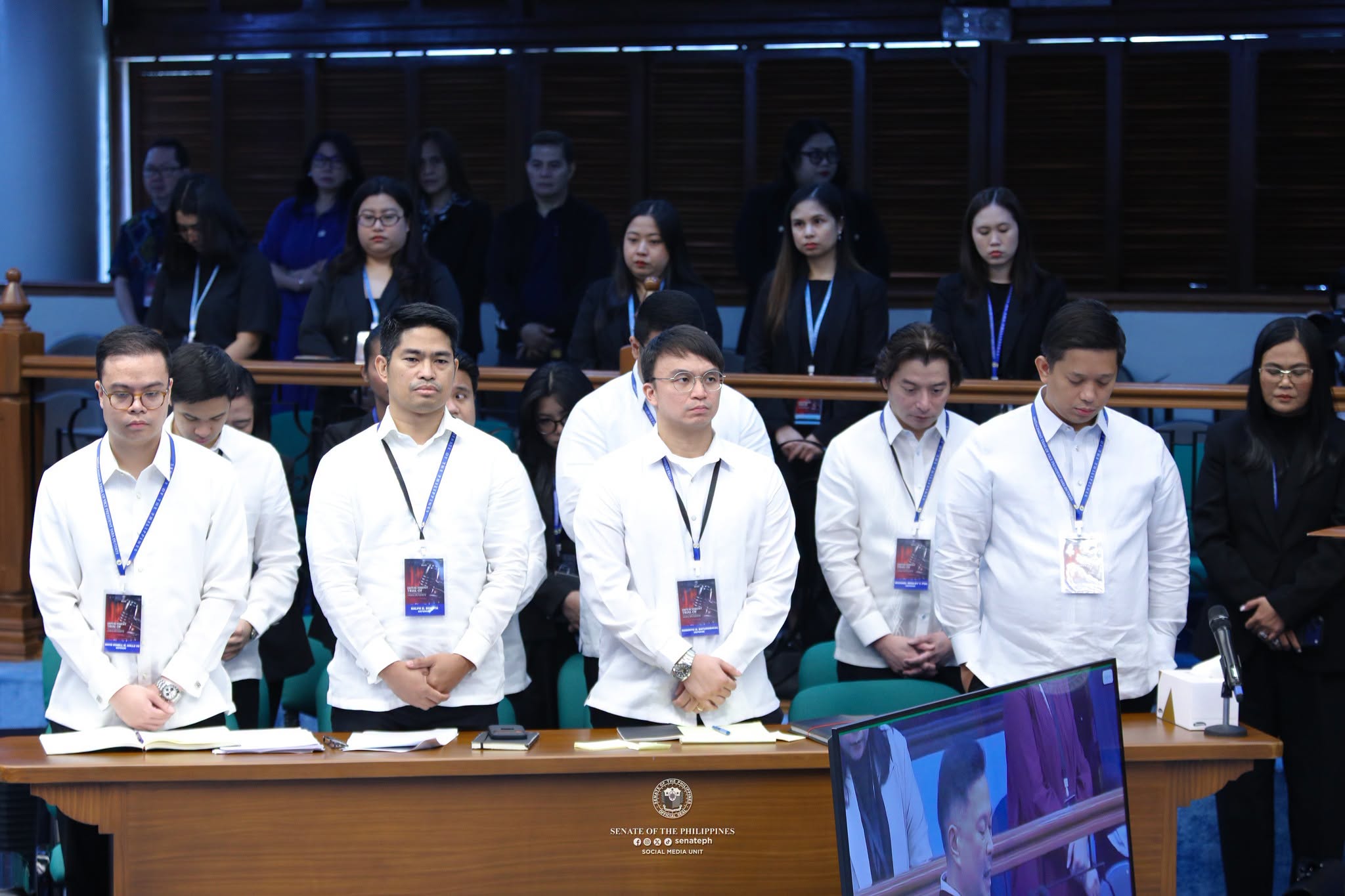

The path to formally contest Cabotaje-Tang’s appearance was open to Vice President Sara Duterte’s legal team, but they never took it, according to the Senate impeachment court’s spokesperson, who addressed the matter Monday amid the defense’s repeated objections to why the retired Sandiganbayan justice had been called to the stand.

A motion to quash — the mechanism to invalidate or nullify a legal document — was the proper instrument here, spokesperson Reginald Tongol explained, and the deadline for it came and went. “Para magkaroon ng due process yung nag-a-against sa pag-i-issue ng subpoena kailangan siya mag-file dapat ng motion to quash the subpoena at the appropriate time before naiupo yung testigo, which the respondent’s counsels were not able to do so,” he told reporters after the session. As for the reasoning behind that choice, Tongol declined to speculate: “For whatever reason that they did that course of action rather than file a motion to quash, I don’t have personal knowledge kung bakit yun yung tinahak nilang landas.”
The defense, for its record, has an explanation. Filing such a motion so close to Cabotaje-Tang’s scheduled testimony would have been “premature,” spokesperson Michael Poa said in written remarks, noting the team lacked clarity on the scope of what she would say. “While the purpose was indicated in the subpoena, the extent of her testimony, including whether the witness will testify on factual matters was unknown to the defense,” he said. Poa added that pursuing the remedy would have generated additional pleadings and slowed the proceedings: “Owing to the nature of the trial and the proximity of her presentation, filing an MTQ would have burdened the court with a motion and the corresponding exchange of pleadings.” His camp, he stressed, had no interest in stalling: “We do not want to contribute to any delay.”

Central to the defense’s grievance was the route the summons traveled. Counsel Mark Vinluan pressed on two fronts — whether a former justice was even an appropriate witness, and why the subpoena had passed through the office of House prosecutor Chel Diokno, the very lawyer set to handle her direct examination. Prosecution spokesperson Benjamin Tolosa Jr. framed the arrangement as a matter of shielding personal information. “Ang purpose niya is simple, it is to protect the privacy of the good justice,” he said, pointing out that a retired magistrate has no official address to fall back on: “Lalo na let’s remember she’s retired already so wala siyang ibang ipapakitang address kundi yung home address niya.”
With no motion on the table, presiding officer Francis Escudero cleared Cabotaje-Tang to proceed, seating her as the prosecution’s first expert witness on the allegations that the Vice President accumulated wealth she could not account for. Records indicate the subpoena landed at Diokno’s office because that is precisely where the prosecution’s request had directed it.
During cross-examination, Vinluan drew out that Diokno’s office had transmitted the document to the former justice by email. He then sought to establish whether the court had actually deputized Diokno to serve process on the chamber’s behalf — but that thread went unresolved. Reminded that the presiding officer sits as neither a witness nor a figure under oath open to questioning, Vinluan let the point drop.
