



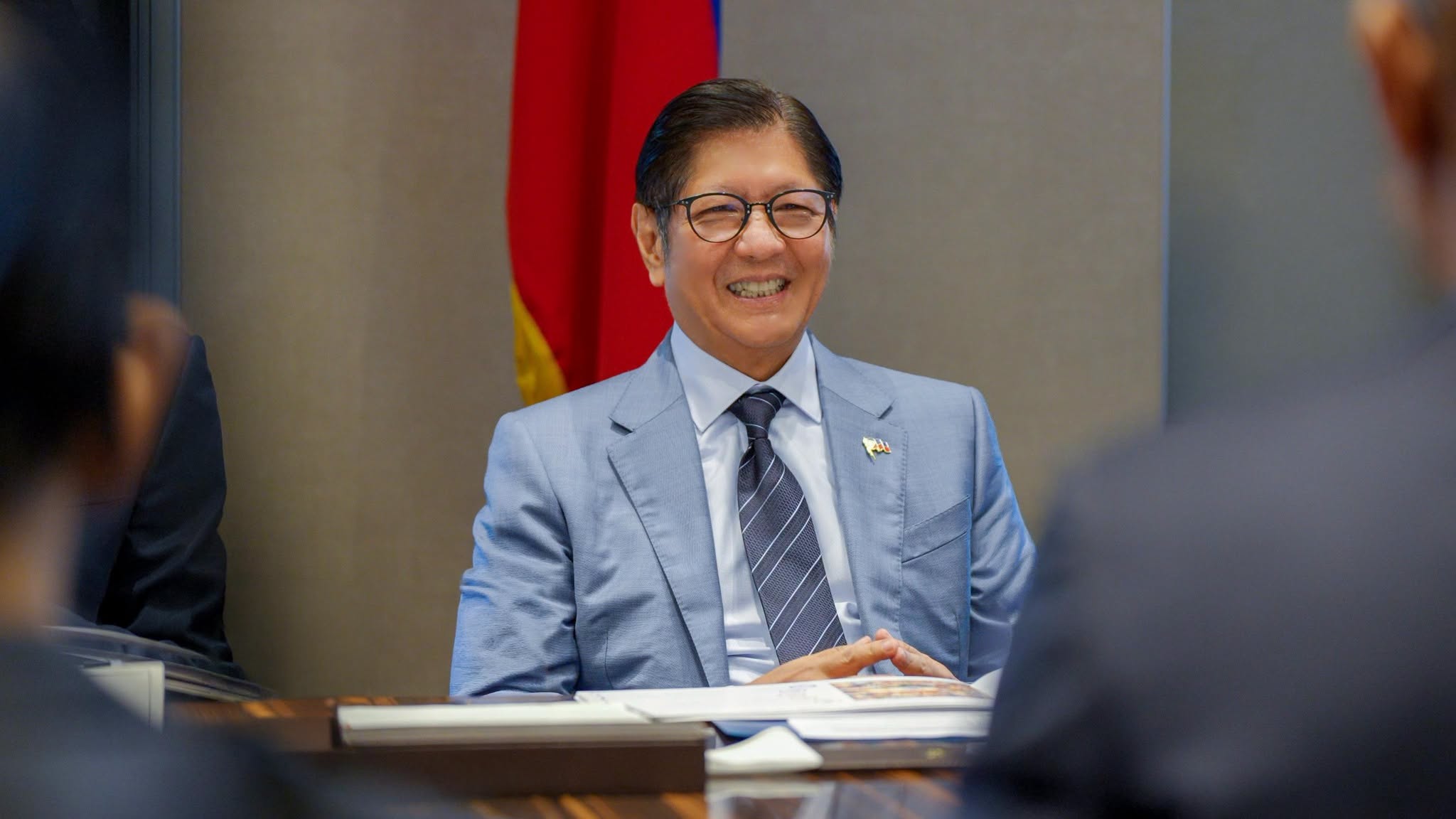

Voters across Mindanao’s Muslim-majority autonomous region began choosing their own regional lawmakers for the first time on Monday, September 14, an exercise President Ferdinand Marcos Jr. framed as evidence that decades of conflict in the area are giving way to self-rule through the ballot.

In a recorded address released ahead of the polls, the President asked residents of the Bangsamoro Autonomous Region in Muslim Mindanao to approach the vote with “wisdom, dignity, and respect.” He described the day as a turning point that moves the region toward “peace, democratic governance, and meaningful self-determination.”
Marcos also pressed voters to guard the credibility of the count and to hold on to the stability that made the election possible in the first place. “Let us also safeguard the integrity of the ballot and preserve the peace that has made this democratic exercise possible,” he said.
The elections fill the seats of the Bangsamoro Parliament — a body whose members had, until now, been appointed rather than chosen at the polls. The region operates under a parliamentary system unique in the Philippines, meaning voters do not directly select the chief minister but instead elect the lawmakers who will form the government.

Roughly 2.4 million registered voters are eligible to take part, casting ballots at more than 5,000 clustered precincts organized across some 1,186 voting centers, according to figures cited by the Commission on Elections. Thirteen political parties are competing for a place in the chamber. To allow full participation, Malacañang declared the day a special non-working holiday throughout the region through Proclamation No. 1395.
Getting to this point took years. The Bangsamoro Organic Law originally set the first parliamentary vote for May 2022, but the schedule slipped repeatedly — pushed to May 2025, then to October 13 of that year, and later toward early 2026 — before Republic Act No. 12317 fixed the date on the second Monday of September. Senator Juan Miguel Zubiri, the principal author of the law that created the region, has defended the delays as time the Bangsamoro needed to build its institutions and steady the shift to a working parliamentary setup.
Religious leaders have added their own appeals in recent days. Cotabato Archbishop Charlie Inzon urged the region’s Catholic faithful to vote freely and to reject vote-buying, intimidation, and misinformation, calling the poll a historic milestone in the pursuit of lasting peace. The Moro Islamic Liberation Front, the former rebel movement now competing within the political system, has invited foreign observers to watch the balloting as part of ongoing international monitoring of the peace process — a sign of how far the once-armed group has moved toward democratic participation.
