




Thirty-six RPA robots now handle a mix of policing duties and back-office functions at Dubai Police, part of a wider push to embed artificial intelligence across the force. According to the force, putting these robots to work has quickened procedures, lifted output, and eased the burden of repetitive tasks.

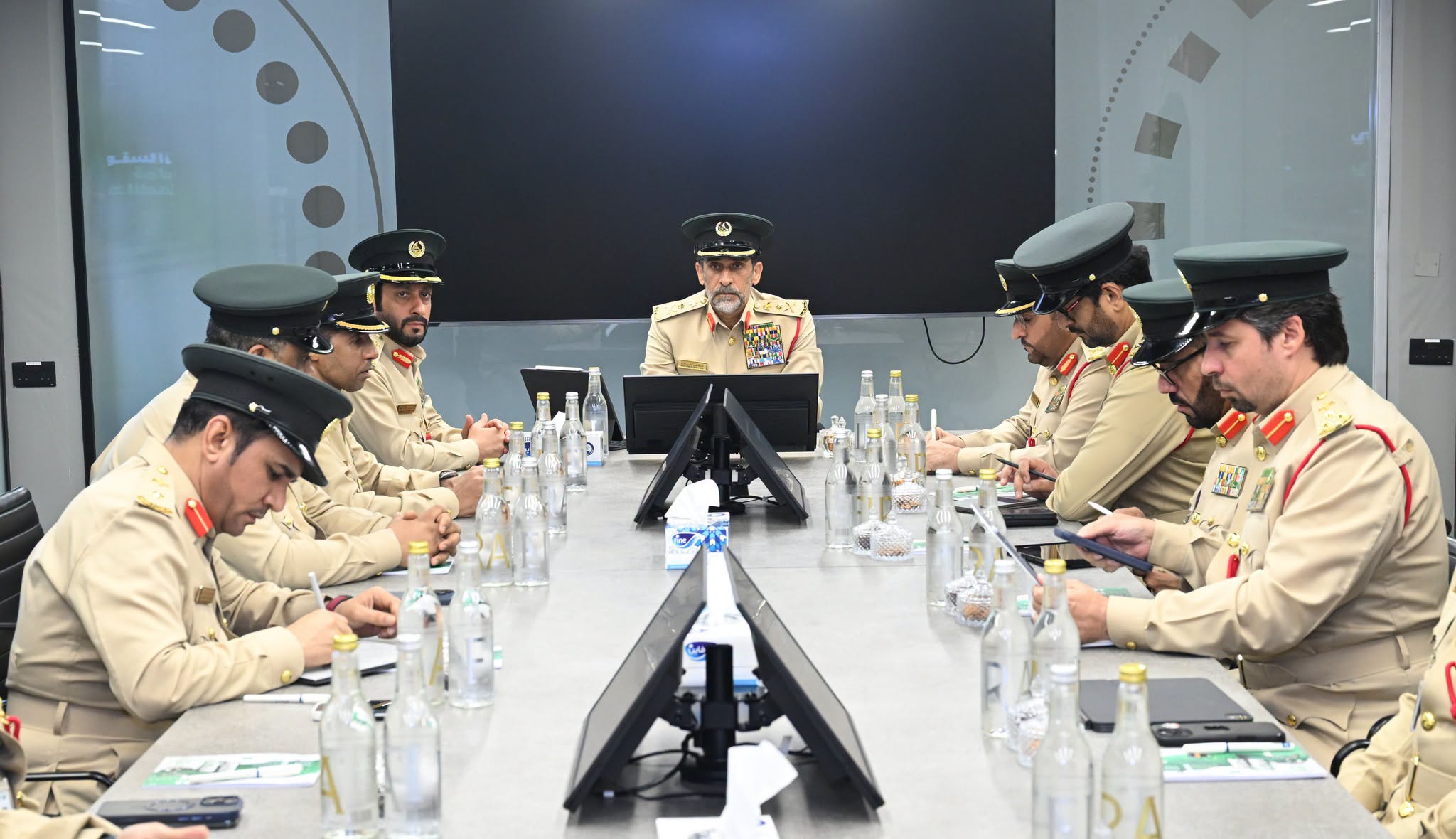
That rollout formed part of a broader tally presented during the annual inspection of the General Department of Artificial Intelligence by Lieutenant General Abdulla Khalifa Al Marri, Commander-in-Chief of Dubai Police. Over the preceding twelve months, the force wrapped up 104 strategic and operational technology projects.
During the visit, Al Marri went over the department’s performance metrics, its digital transformation efforts, and the technology underpinning both police work and public-facing services. Reliability figures were among them: public services held a continuity rate of 99.97 percent this year, while systems registered 99.92 percent.
The department also pointed to external validation of its work, reporting seven awards and certificates of recognition. It has additionally filed 29 registered intellectual works.

A central item under review was the force’s AI transformation plan, which sets out ways to widen the technology’s reach across police, administrative, and operational areas. The intent is to convert data into instruments for decision-making, alongside building systems meant to sharpen response times, operational efficiency, and the quality of services delivered.
Al Marri was walked through several specific tools. One was the Dubai Police AI platform, which underpins data analysis, the automation of procedures, smart solutions, and digital resources for both staff and customers. Another was a smart assistant built for Smart Police Stations (SPS), structured to deliver police and security services through a single system running continuously. The setup is meant to speed up service delivery, add flexibility, and broaden customer access.
Looking ahead, Al Marri pressed for sustained work on the force’s AI capabilities and the adoption of newer technologies throughout its functions. He drew attention to the role of specialized personnel as the technology advances, noting that sophisticated tools and human know-how have to operate in tandem as digital systems mature. Steady attention to readiness and business continuity should continue, he said, along with routine upgrades that keep systems and services secure, dependable, and efficient.
