





The classroom is one of the few places where a single hour can quietly redirect a person’s entire life. For a teenage girl in Taguig City, that hour arrived during a high school Physics lesson, when a teacher stopped talking about equations and started talking about the world. Florry “Arway” B. Palce still remembers the shift—the moment formulas dissolved into something closer to storytelling.

“Physics was not just about formulas, equations, and solving problems on paper,” she shares with TGFM. “Physics was the story of the world around us. It explained why the stars shine, why rainbows appear after the rain, how airplanes fly.”
That realization did more than make her love the subject. It rewrote what she thought learning could be. “For the first time, I realized that learning was not about memorizing facts. It was about understanding life itself.” Years later, that single insight would carry her across three countries and turn her into the kind of teacher she once looked up to.
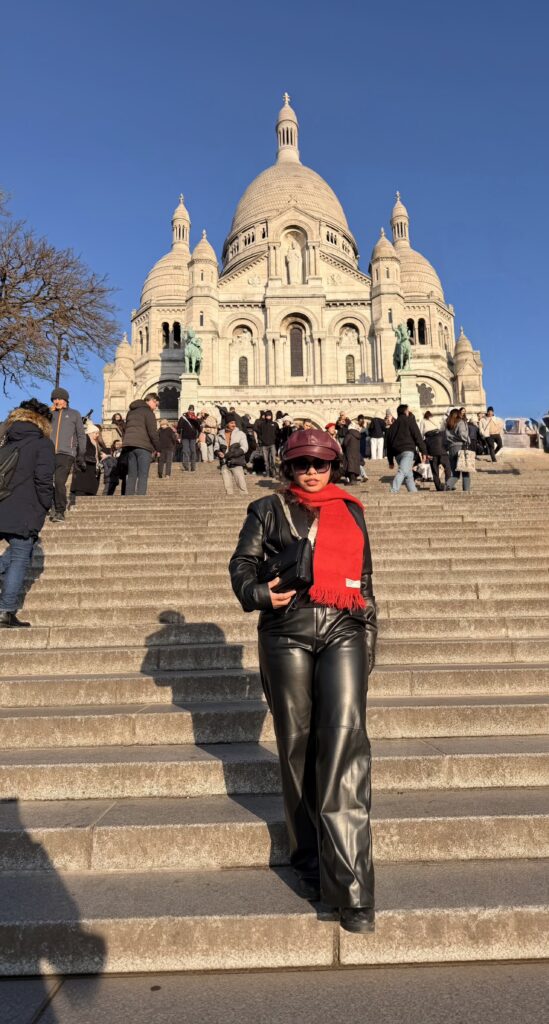
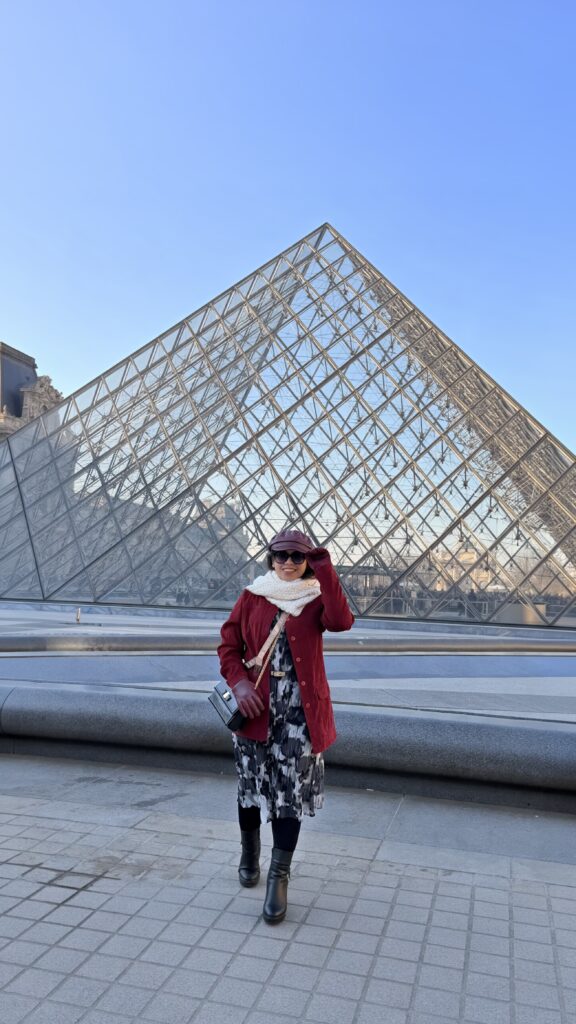
The dream she could not yet afford
Arway started teaching in the Philippines at twenty, young and certain she had found her calling. She loved her students and loved the work. But affection for a profession does not silence practical questions, and after a few years, the questions grew louder. How could she build a better future for her family? How could she keep growing without abandoning her purpose?
The people around her were not shy with opinions. “Many people told me there was no future in teaching. Some said there was no money in it,” she says. She heard them—and quietly disagreed. For her, a better life was never a line on a payslip. “A better life is waking up knowing your work matters. A better life is helping someone believe in themselves.”
New Zealand was the dream she carried, but it sat far beyond her reach, both geographically and financially. So when Thailand appeared instead, she took it—not out of confidence, but in spite of her fear. “I said yes. Not because I wasn’t afraid, but because I was.”
The cost was immediate and personal. She left family, friends, and every familiar comfort behind. “I cried at airports. I missed birthdays, celebrations, and milestones. I carried homesickness with me for years.” What she gained, though, was a lesson she now considers foundational. Thailand, she says, “was the bridge between the life I had and the life I was building. It taught me that starting over is not failure. Starting over is courage.”
What migration actually costs
Ask the former Taguig teacher about her hardest adjustment abroad, and she does not mention curricula or classroom systems. She has taught in a Thai school and now navigates New Zealand’s NCEA framework across different year levels—technical challenges, all of them. But none of those, she insists, was the real difficulty.
“The hardest adjustment was leaving behind a life I loved,” she says. “I left family dinners. I left lifelong friendships. I left traditions and celebrations.” Hardest of all, she left a version of herself: the young woman who had never lived outside her home country, the daughter who always had her family nearby.

She is unsentimental about the way migration is usually sold. “Migration is often portrayed as exciting. And it is. But what people rarely talk about is the grief. The loneliness. The uncertainty. The nights when you wonder if you’ve made the right decision.” There were moments, she admits, when she missed home so deeply it physically hurt.
And yet something shifted inside that struggle. She discovered strengths she had not known she possessed, a resilience she had never been forced to test. “One day, you look back and realize that the challenges that nearly broke you were also the challenges that built you.”
That hard-won perspective eventually crystallized into a principle she now lives by. “The size of your dreams should always exceed your current capacity to achieve them,” she says. “If they don’t scare you, they probably aren’t big enough.”
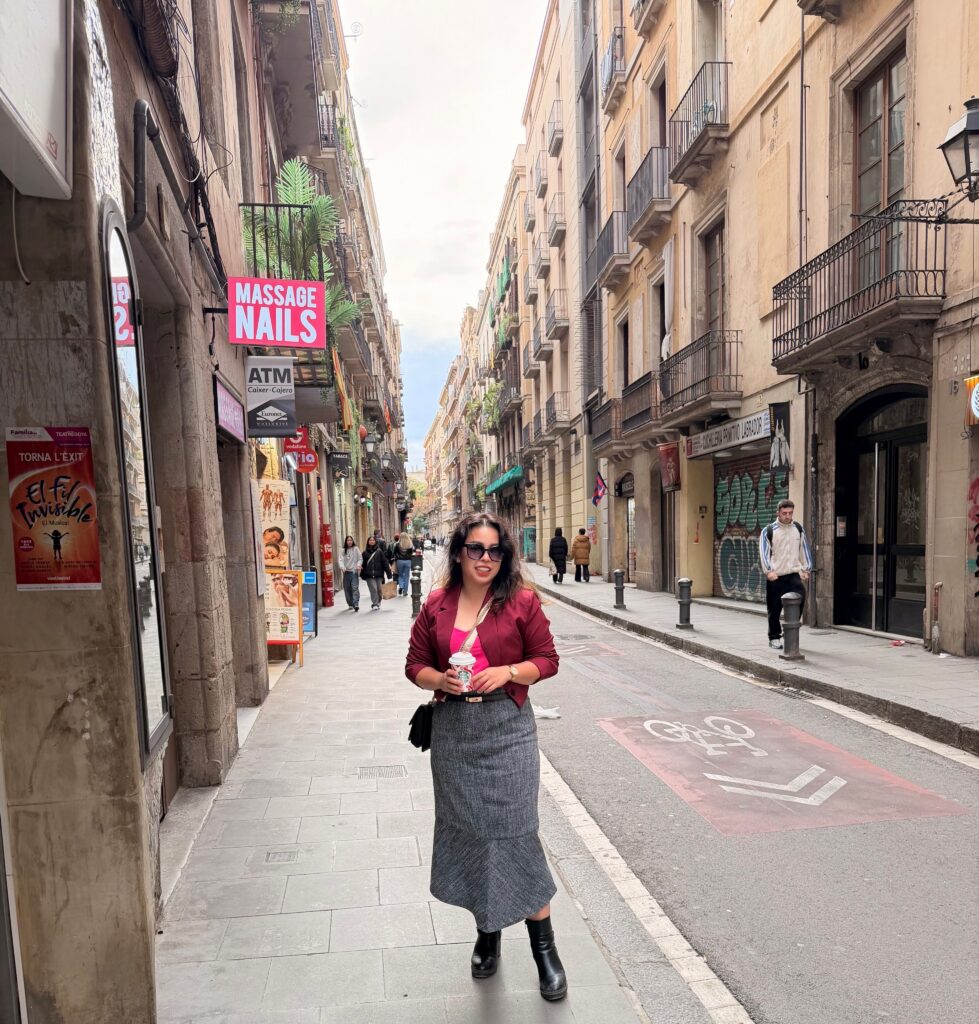
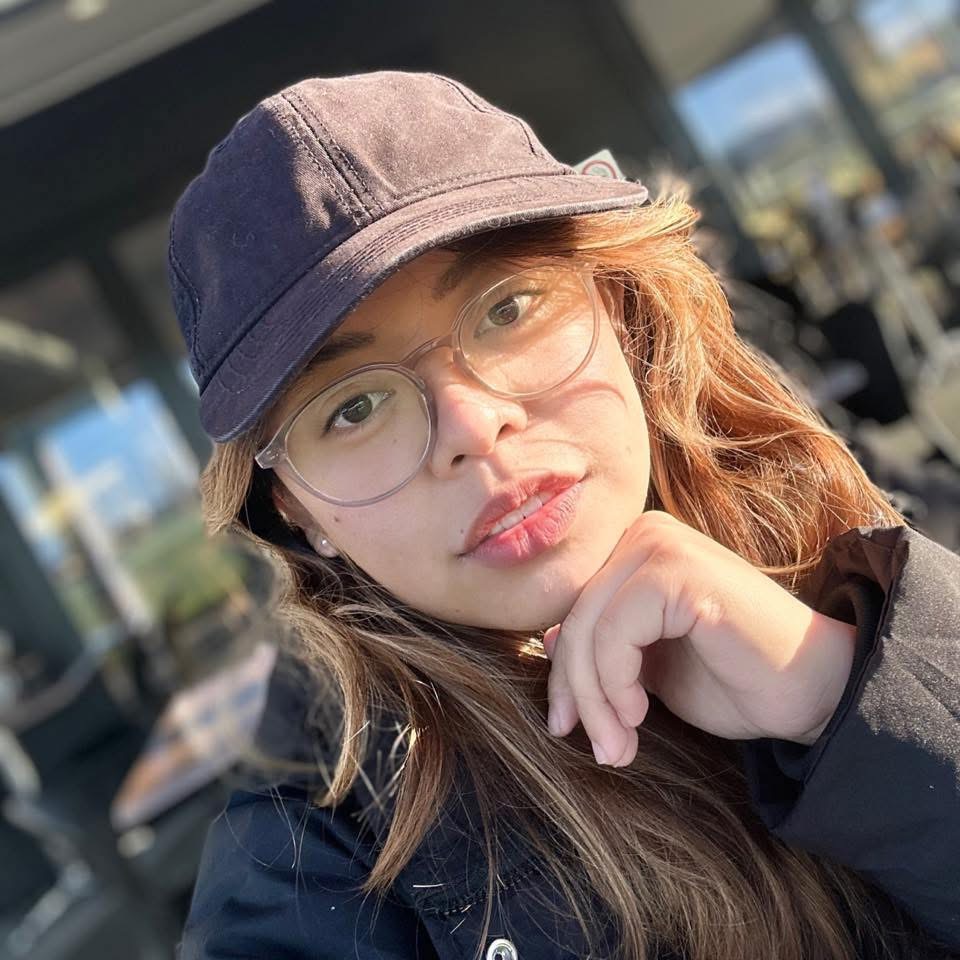
The years that tested that principle most were the ones she spent chasing a Master’s degree while teaching full-time. She taught by day, tutored after work, hunted for extra income wherever she could find it, then became a student again at night, studying until midnight. “There were days when I was exhausted. Days when I questioned whether I could keep going. Days when giving up would have been easier.” When she finally earned the degree, she wept—not for the diploma itself, but for what it represented. “Every sacrifice. Every late night. Every moment I chose to continue despite the difficulties.” She is now pursuing a Doctor of Education while continuing to teach internationally, carrying the same conviction: the dream is always worth the struggle.
Teaching Physics, remembering the girl from Taguig
For all her movement across borders, what has stayed with Arway most are the students who remind her of who she used to be. “Students who doubted their abilities. Students who felt invisible. Students who carried dreams that seemed too big for their circumstances.” In them, she sees the girl from Taguig who once dreamed of opportunities she could not yet imagine.
There is one phrase, she says, that makes every sacrifice worthwhile. “Miss, because of you I believe I can do it too.” That, to her, is the actual work—not lessons, not exams, not grades, but “helping someone see possibilities they could not see before.”
She credits her staying power to the values she carried out of the Philippines rather than the ones she picked up abroad: resilience, adaptability, humility, and genuine care for others. Filipinos, she notes, have a way of enduring hardship and still finding reasons to smile—and she reads that smile not as weakness but as faith that better days are coming. She may teach Physics, but she hopes her students remember something else entirely. “What I hope students remember years from now is not a formula. I hope they remember that someone believed in them.”
Her advice to the teachers and young professionals watching from home, still afraid to take the first step, is plainspoken and free of false promises. “You do not need to be fearless. You only need to be brave enough to take the first step.” She does not pretend the doubt or homesickness disappears. She simply refuses to let it be the final word.
“I came from humble beginnings in Taguig. I relied on education, scholarships, perseverance, and faith,” she says. “What I had was a dream and the willingness to keep moving forward.” Her story, she is quick to clarify, was never really about geography. “It is a story about becoming.”
And she still counts herself somewhere in the middle of it—one brave decision, one opportunity, one lesson, one dream at a time.
