



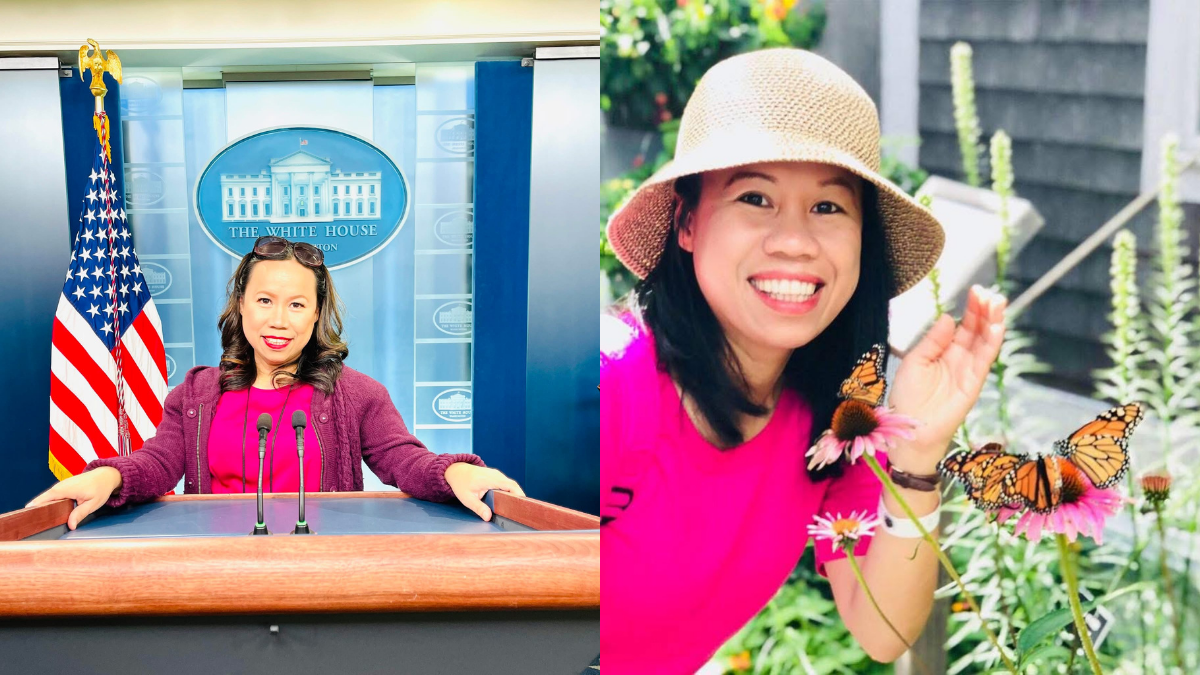

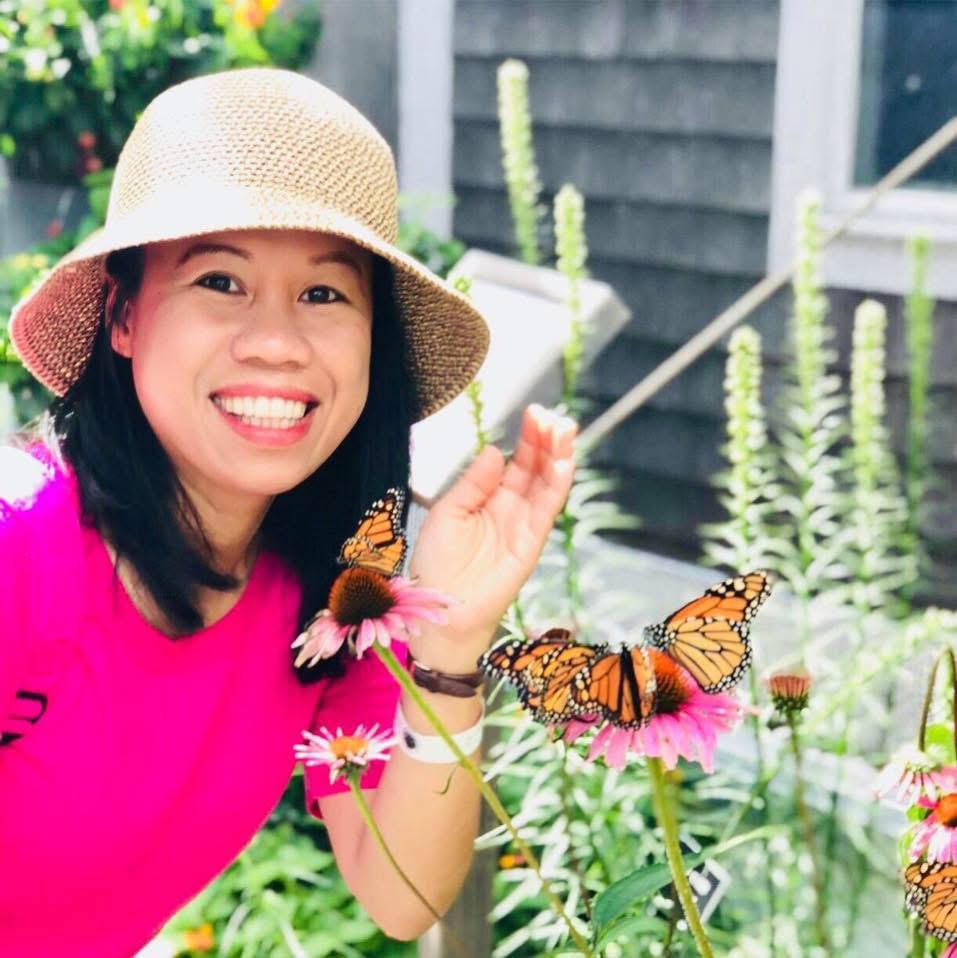
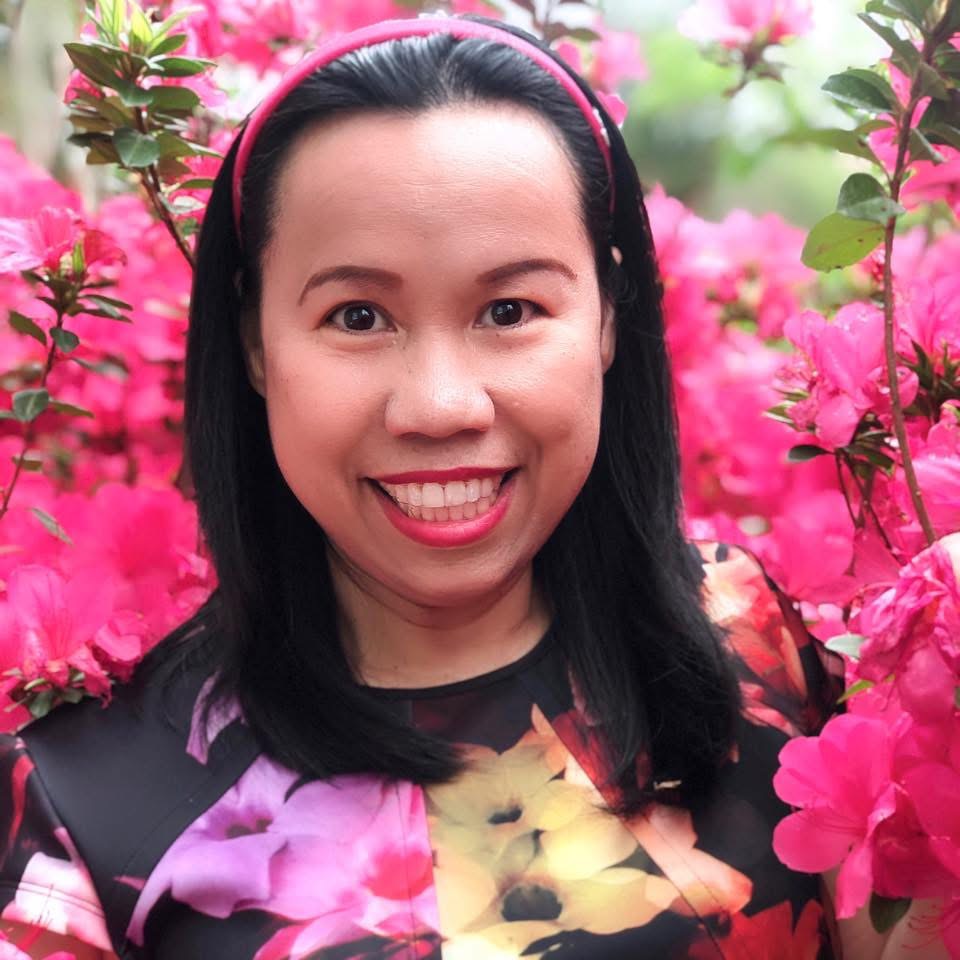
In the White House briefing room, where correspondents from the world’s largest news organizations jostle for a sightline and a question, the smallest voice can be the hardest to place. Somewhere in that room, four feet and ten inches off the ground, stands a woman who once arrived in America with two hundred dollars and a list of jobs that had nothing to do with journalism. Josie Moralidad Ziman covers the White House and holds accreditation with the U.S. State Department’s Foreign Press Center — and she still catches herself smiling at the strangeness of being there at all.

“Sometimes I look around the white house briefing room and smile because I am only 4 feet 10 inches tall,” she shares with TGFM. “I often feel like I’m the shortest person in the room, but that has never stopped me.”
It would be easy to write her story as an arrival story, the kind that ends with the correspondent’s credential and the byline. But Josie’s life keeps refusing to end where it should. It has been interrupted — by illness, by grief, by a dump truck, by a diagnosis no one wants — and each time it has restarted somewhere unexpected. The credential is real. So is the cancer she survived, and the nonprofit that grew, in her words, into something like a child.
The girl from da riles
Before Washington, there was Iloilo, and before Iloilo there was a house beside the railroad tracks. Josie grew up along da riles, the local name for the strip of homes that line the rails, with a twin sister so identical that people struggled to tell them apart and a childhood shaped by an absence.
She was seven when her father, a seafarer, died in his sleep of bangungot — the sudden, unexplained death that Filipino families know by name and dread without explanation. Her mother left for Bahrain to work as a domestic helper, sending money home so her children might have a future she could not give them in person.
“Life was not easy,” Josie recalls, “but those early years taught us resilience, determination, and the importance of education.” With their mother abroad, she and her siblings were raised by aunts and uncles. Resources were thin. The children often taught themselves to read.
There is a version of this story that treats poverty as backdrop, a hard beginning to be escaped and left behind. Josie doesn’t tell it that way. She points back to the railroad tracks as the place the rest of her life was made possible. “My mother’s sacrifices, together with the love of our extended family, inspired me to work hard, persevere through life’s challenges, and make the most of every opportunity that came my way.”
She studied in Manila and began her career as a reporter with the Manila Broadcasting Company. Then, on a journalist’s visa, she came to the United States — where the journalism, for a while, stopped.
The two hundred dollars
Arriving with almost nothing, she took the jobs that were available to someone arriving with almost nothing. Housekeeper. Babysitter. Nanny. Gardener. Cook. Caregiver. At one point, by her own telling, the household menagerie she looked after included three large dogs and a black bear. Her weekly pay barely covered her taxi fares, and some of the Filipinos she met kept their distance because she was, to them, only a housekeeper.
She refuses to flinch at any of it. “I never looked down on those jobs because they helped me survive and move forward,” she says. “They taught me that there is dignity in honest work and that success is not about where you begin but about your determination to keep going.”
Journalism came back to her slowly. She became a staff writer for the Manila Mail, a Filipino-American newspaper in Washington, D.C., now defunct, and there she found the beat that would quietly set up everything else: telling the stories of Filipinos who had crossed an ocean chasing a better life. Their sacrifices, she says, had always inspired her. She could not have known she was gathering material for a purpose that hadn’t announced itself yet.
Today she is a media correspondent for Radio Mindanao Network Iloilo and, on a recently signed contract, ABS-CBN. She hosts a cancer advocacy show on PHLV radio in Las Vegas and “Pilipinas sa Amerika” on RMN Iloilo. When the State Department once invited her to speak alongside fellow journalists, her first reaction wasn’t pride. It was disbelief.
“I remember asking myself, ‘Why me?'” she says. “I still have my Ilonggo accent, and I was never an award-winning journalist in the Philippines. Maybe what mattered was not the awards but the way I have tried to do my job and the values I have carried with me throughout my career.”
That instinct — to measure a career by conduct rather than trophies — runs through everything she says about the work. She doesn’t interrupt the people she interviews. She doesn’t argue with them. “I listen because every person has a story worth telling. Whether I agree with them or not, I believe they deserve to be treated with respect.” Her maiden name was Moralidad — Morality, in English — and she talks about it as a standard she has spent a lifetime trying not to fall short of. To the young people who ask whether they should become journalists, she offers a warning wrapped in an invitation: “If your goal is to become rich, journalism may not be the right profession. But if you want to make a difference, tell stories that matter, stand by your principles, and never be afraid to speak the truth.”
When the body kept breaking
The hard beginning did not stay in Iloilo. It followed her into midlife and arrived in installments.
One week after her fortieth birthday, she woke and could not move. “I truly believed I was paralyzed. The pain was so severe that I could barely move.” A herniated disc, the doctors told her. She stopped working and spent a year hunting for relief, trying everything short of surgery before finally submitting to it, hoping for a fresh start.
Three months later, still in physical therapy, still fragile, she was rear-ended by a dump truck. The impact undid the surgery’s progress and returned her to where she’d started: pain, and a long road back. It was one of four car accidents she would survive.
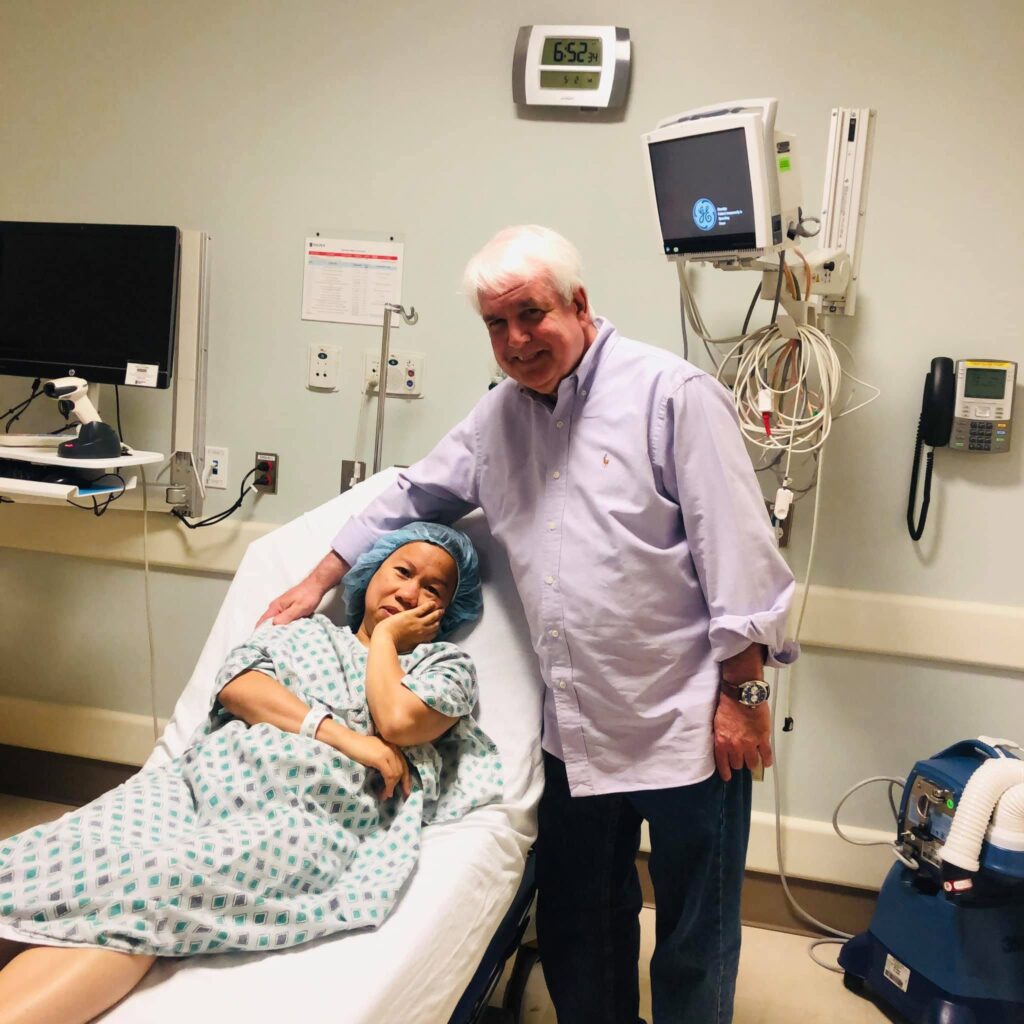
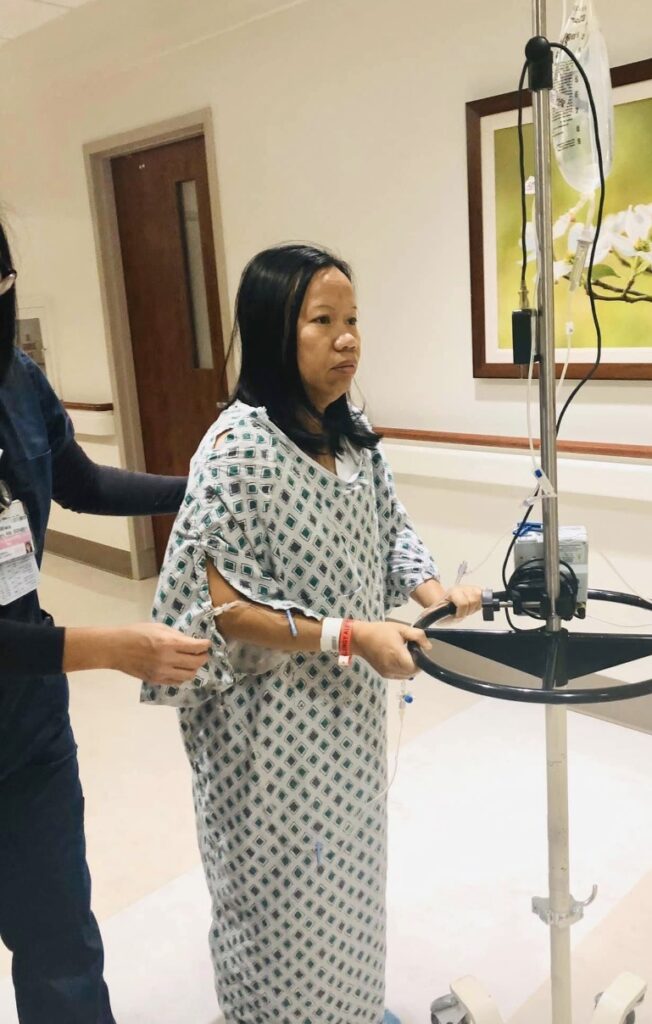
Then, at forty-five, during a routine mammogram, a technician noticed calcifications in her breast. One area looked wrong. More scans followed, and more tests, and finally the sentence no one is ready for. The tumor was malignant. She had breast cancer.
She does not narrate this as a run of bad luck, though it plainly was. She reads it backward, as preparation. “Looking back, I realize that every hardship prepared me for the next one. Although I would never have chosen this path, each challenge taught me strength, perseverance, and faith.” The illnesses cracked something open in her — an attentiveness to other people’s suffering that she had not had before. “Cancer did not define me,” she says, “but it gave me a deeper purpose than I could have ever imagined.”

The baby named FACC
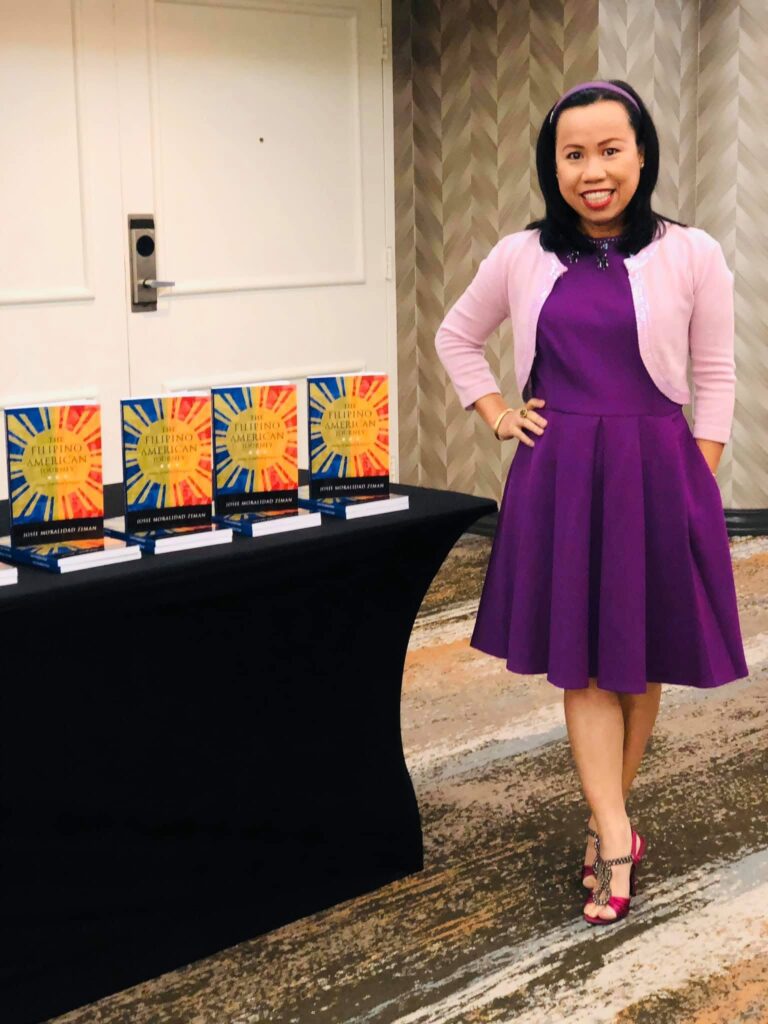
Ten days after her mastectomy, still recovering, her mind went — of all places — to the stories she’d written for the Manila Mail. She would compile them into a book, she decided, and give the proceeds to cancer patients. That book became The Filipino American Journey, a collection of profiles of ordinary Filipinos doing extraordinary things.
The irony was not lost on her. Giving back had always been part of who she was; even in her Iloilo media days she’d spent her birthdays organizing charity rather than parties. But she had always steered clear of cancer causes. “Ironically, none of those charitable efforts involved cancer patients because I was always afraid of the word cancer. It was a disease I hoped would never touch my life.” She never imagined becoming a patient. She certainly never imagined building a cancer charity in the United States.
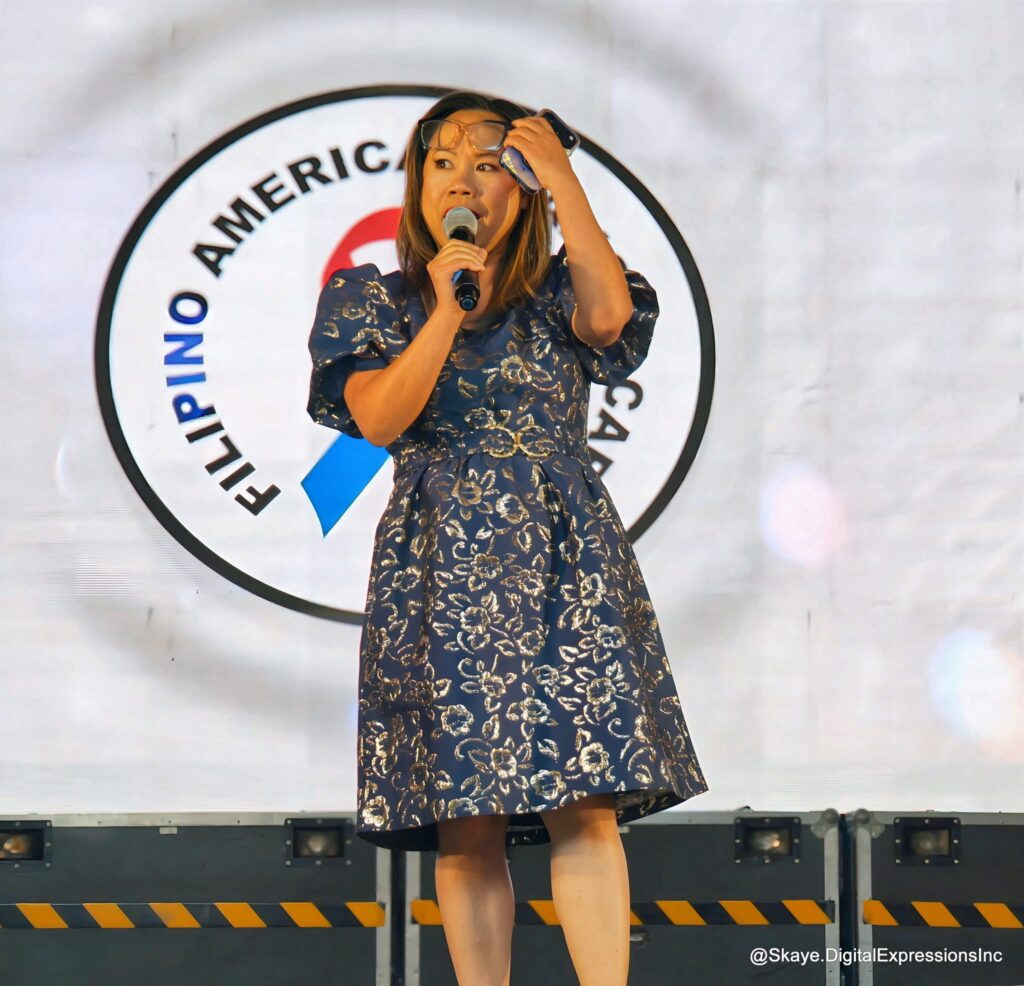
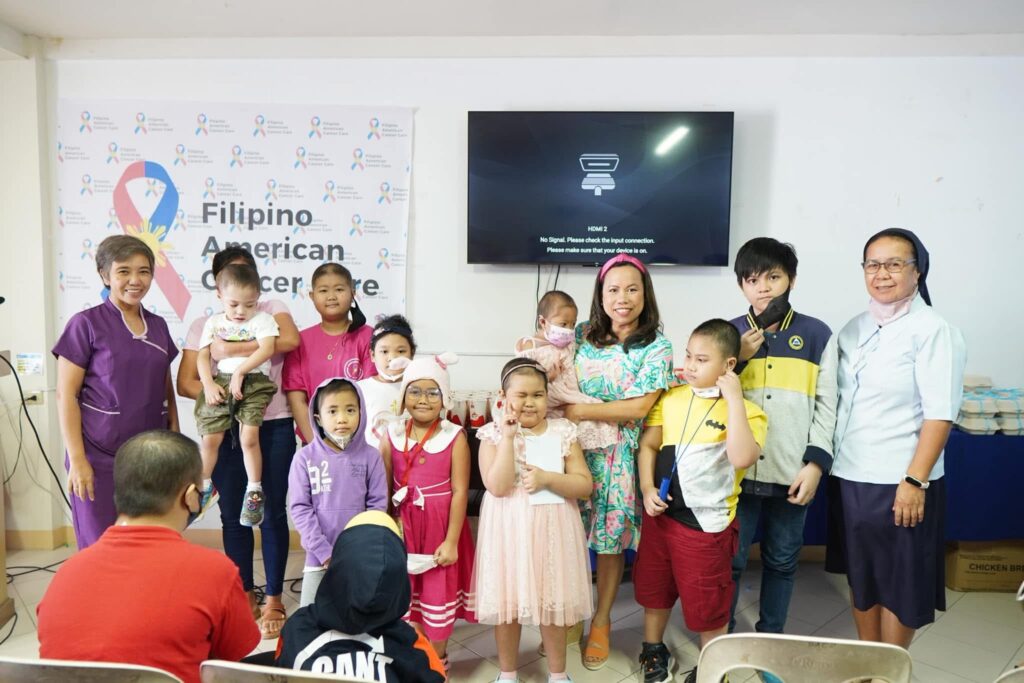
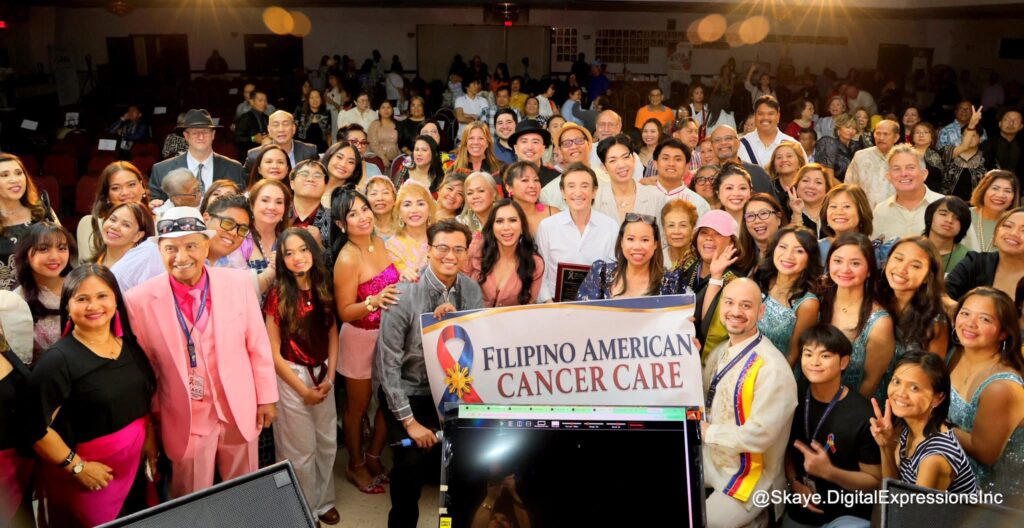
Filipino American Cancer Care was born in March 2020, at the height of the pandemic — a volunteer-run nonprofit based in Virginia. What began as an impulse to help turned out to be one of the hardest things she’d ever taken on. “Running a cancer charity is far more than raising money. It means carrying the responsibility of helping people who are fighting for more than treatment, they are fighting for time, for hope, and for life itself.”
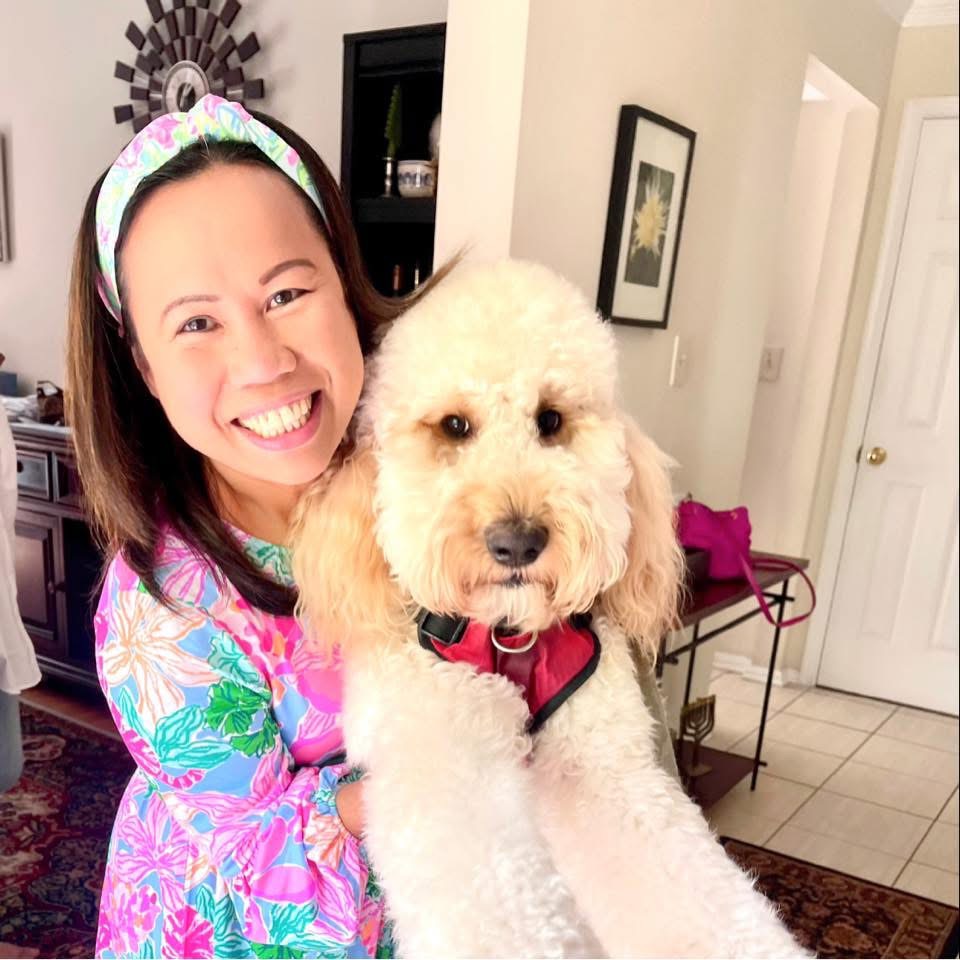
There have been personal costs. She has dipped into her own money to keep the organization moving when someone needed help and there was nowhere else to turn, never expecting anything back. None of it, she is quick to say, would have held together without her husband, Barry Ziman, who has stood beside her through every fundraiser, every late night, every hard call. And because the couple were never blessed with children, the organization has taken on a particular weight in her life.
“Filipino American Cancer Care has become like my baby,” she says. “I have watched it grow from a simple dream into an organization that has helped hundreds of cancer patients and their families. Like raising a child, it demands time, patience, love, sacrifice, and unwavering commitment.”
Ask her why she gives so much of herself to it, and the answer arrives without decoration: “I did not ask for cancer. I did not plan to start a nonprofit organization. I did not know that this journey would become my life’s work. But sometimes, life chooses our purpose for us.”
What a thousand dollars can and cannot do
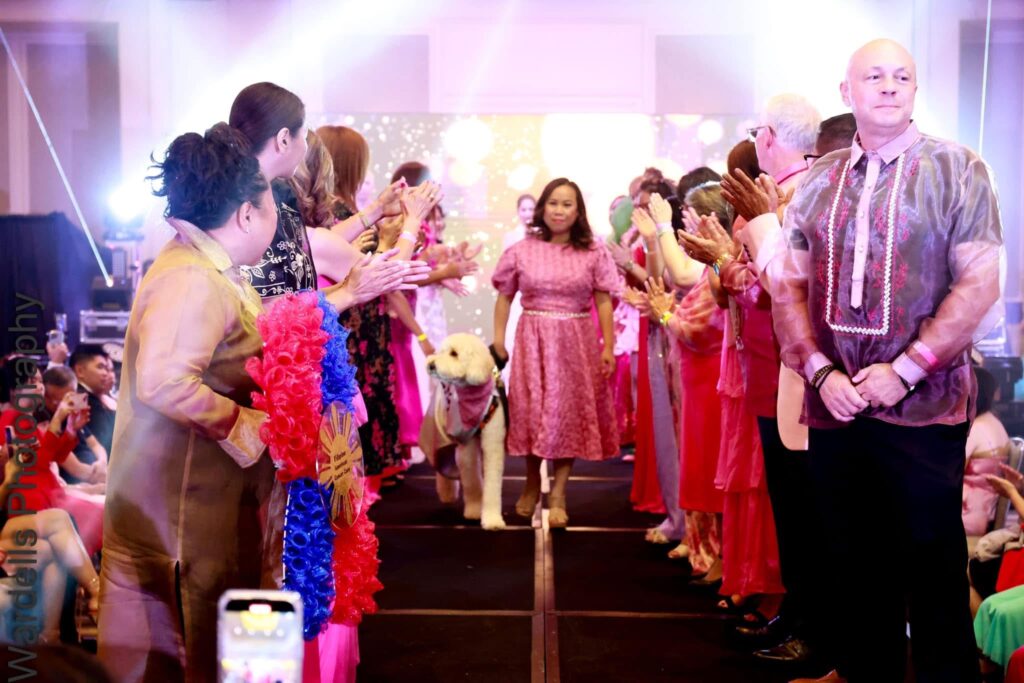
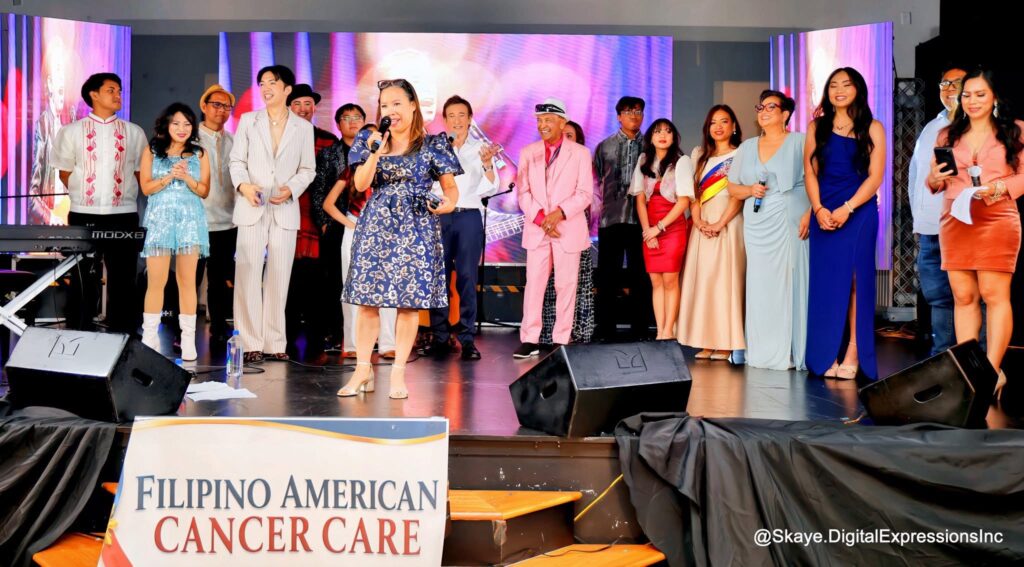
Over six years, FACC has helped more than two hundred cancer patients, raising money through Zumba fundraisers, bingo nights, crab feasts, cooking classes, charity concerts, and its centerpiece — an annual Fashion Show Charity Gala now in its eighth year. Volunteer runway models fly in from across the United States and from Canada, Dubai, and Europe. Some of the volunteer designers have dressed Miss Universe contestants. Almost none of them are there by accident; cancer has touched nearly all of them in some way, and behind every model on the runway, she says, is a story of courage, loss, survival, or hope.
Each patient FACC supports receives $1,000 in financial assistance. Josie has heard the obvious question more than once, and she doesn’t dodge it.
“People sometimes ask me, ‘Can $1,000 cure cancer?’ The answer is no. Cancer is an expensive disease, and there is still no cure for many forms of it. But that $1,000 can give a patient something that is just as important during one of the hardest times in their life, it gives them hope. It tells them that someone cares, that they are not alone, and that there is a support group standing beside them.”
The money is only the visible part of what she does. The rest is harder to put on a fundraising ledger. She has become, by turns, a counselor, a listener, a friend. She has taken late-night calls from parents watching their children lose the fight, and once stayed on the line with a mother whose son had just died of leukemia, because the woman simply needed someone there. Some beneficiaries have died within days of her interviewing them; in a few cases, she was among the last people they spoke to.
Some came to the United States from the Philippines on temporary visas, with no family and no friends nearby. For them, FACC became the family they didn’t have. “We celebrated their victories, prayed with them during their treatments, and mourned with their loved ones when they lost their fight.”
She is honest, too, about who this work is not for. “I also remind every volunteer that if they expect recognition, rewards, or something in return for helping, then FACC may not be the right place for them. Service requires sacrifice.” The greatest reward, she insists, is the knowledge that someone’s burden was made lighter for a while. Sometimes a patient’s simple thank-you outweighs any award.
If there is a single conviction underneath all of it, it is this: the diagnosis is often beyond anyone’s power to change, but the experience of it is not. “Cancer has taught me that while we cannot always change someone’s diagnosis, we can change how they experience their cancer journey. Sometimes, hope is the greatest gift we can give.”
The story that hasn’t ended
Titles sit lightly on her. White House correspondent is a designation many would consider a summit, and she is grateful for it, but she declines to let it stand in for who she is. “Titles don’t define who we are. At the end of the day, we are all just people. The way we treat others is far more important than any title we will ever have.” Whether she is covering a briefing, interviewing an official, or sitting beside a cancer patient who only needs to be heard, she says she tries to treat everyone the same. No one, in her accounting, is more important than anyone else.
She wrote The Filipino American Journey for readers well beyond the Filipino-American community, because its central claim is portable. “I want readers to know that your past does not have to define your future. No matter where you were born, how much money you have, or what job you do, there is a place for you in this world.” Success, to her, was never the balance in a bank account or the title before a name. It is the kind of person you turn out to be and the lives you touch on the way through.
For the Filipinos carrying their own hard things right now, she has a message shaped by every setback she has outlasted — and a gentle correction to a cultural reflex she knows well. “Being strong doesn’t mean you have to be strong all the time. It’s okay to cry. It’s okay to be afraid. And it’s okay to ask for help. We Filipinos are so used to being strong for our families and for other people that sometimes we forget that we also need someone to lean on.”
Whatever a person is facing today, she says, is only one part of their story — not its verdict and not its ending. She has stopped trying to explain why her own life kept breaking and restarting, and settled instead on what to do with the life still in front of her: serve, speak up, help the people fighting their own battles.
“I cannot change what happened to me,” she says, “but I can choose what I do with the life I still have.”
And then the line she keeps coming back to, the one that reads less like a slogan than like something she has had to prove to herself again and again: “While you still have life, you still have hope. And while you still have hope, there is always a reason to keep going and to be a blessing for others.”
