



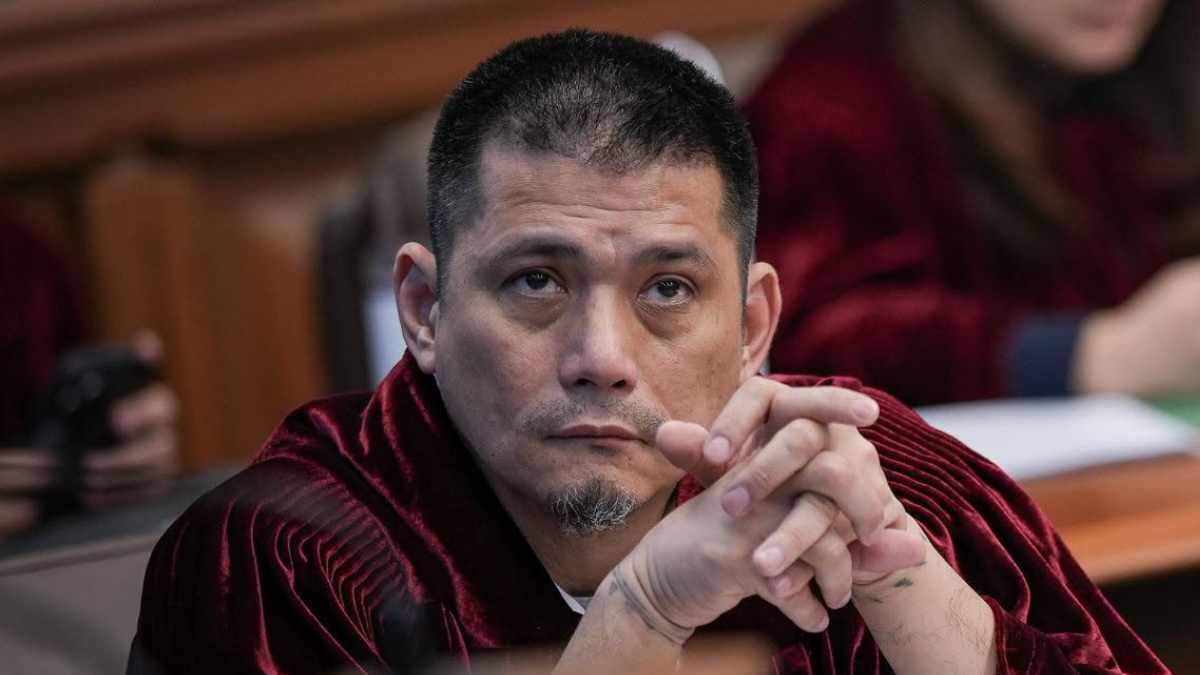

Sen. Robinhood Padilla drew sharp rebukes on Thursday from Malacañang and the August Twenty-One Movement (Atom) after he likened the pseudonyms adopted by Filipino patriots to the unusual names appearing on acknowledgment receipts tied to the Office of the Vice President’s confidential funds.

Palace press officer Claire Castro drew a clear line between the two, noting that historical figures who took on false names did so while championing their fellow Filipinos, whereas those listed under aliases in the OVP documents were reportedly compensated in exchange for information.
“Heroes of the past likely fought for the country without expecting payment. However, informants of today appear unwilling to act without compensation,” Castro said.
She raised a further concern about verification. “The heroes of that time, even if they used pseudonyms, were known to be real people. In the receipts presented now, we do not know whether these are real people or whether they are fictitious or ‘ghost’ beneficiaries,” she said.
While Castro acknowledged that Padilla was entitled to express his opinion and that she would not pass judgment on it, she stressed the need to set the record straight for the sake of the country’s youth. “But we also need to show the truth so that our young people will not be misled about the actual role our heroes played. They may have used pseudonyms, but not to hide payment,” she said.
The senator’s remarks came during Wednesday’s proceedings, the 19th day of Vice President Sara Duterte’s impeachment trial. Addressing private prosecutor Mae Divinagracia, Padilla argued that revolutionaries and national heroes had also operated under assumed names, and he suggested the prosecution was treating the peculiar names on the receipts as a source of amusement. Among those names were Mary Grace Piattos, Antonio Pagong, Timon Andrew Pusa, Don Piang, Shane Ngitngit, Xuniso P. Bela, and May Pamana.
“This is what the prosecution was presenting: that there are funny names here […] but the aliases of the people in history are funnier. And one more thing, do you know Marcial Bonifacio?” Padilla asked.

That question referenced the cover identity that Sen. Benigno “Ninoy” Aquino Jr. assumed in 1983 to slip past the dictatorship’s attempts to block his homecoming and resume his fight for democracy.
Atom characterized the senator’s comments as an affront to the legacy of the very figure whose sacrifice, it argued, helped secure the freedoms Filipinos now exercise. The group described Padilla as “mocking the memory and the good name of the person who is one of the major reasons he and all of us can speak and move freely without fear of arrest or oppression.” Founded in August 1983 in the immediate aftermath of Aquino’s killing during the Marcos years, the organization invoked a roster of national heroes to underscore its point.
“We remind Senator Padilla that our heroes of yesterday, including Rizal, Marcelo del Pilar, Emilio Jacinto, Graciano Lopez-Jaena, among others, used aliases to fight for our freedom, for justice, and to win our rights for the people, not to misuse public funds and abuse power,” Atom said in a statement.
The group added a pointed reminder about the cost of liberty. “Freedom is not free, Mr. Senator; before all of us were able to enjoy freedom, other individuals had to sacrifice their lives, and that is why we consider them heroes of our land,” it said.
A third voice, the academic research organization Project Gunita, also weighed in, framing Aquino’s chosen name as a marker of courage, martyrdom, and a longing to return home. The group traced the origins of the pseudonym, explaining that “Marcial Bonifacio” combined a reference to martial law with Fort Bonifacio, the site where Aquino spent close to eight years behind bars.
Project Gunita recounted that allies including Salvador Laurel and Eva Estrada-Kalaw had cautioned Aquino about circulating rumors that he faced death upon returning, which led him to travel under the false identity on a forged passport. It emphasized that no vast sum of secret funding was required for Aquino to grasp the danger awaiting him. “Ninoy did not need millions in confidential funds to ascertain that he was about to commit a huge gamble once he stepped off that aircraft,” the group said.
The organization closed its criticism with a jab at the senator’s grasp of history. “Google is free. We suggest to the good senator, or his office, to make use of the internet and do their proper research,” it said.
