



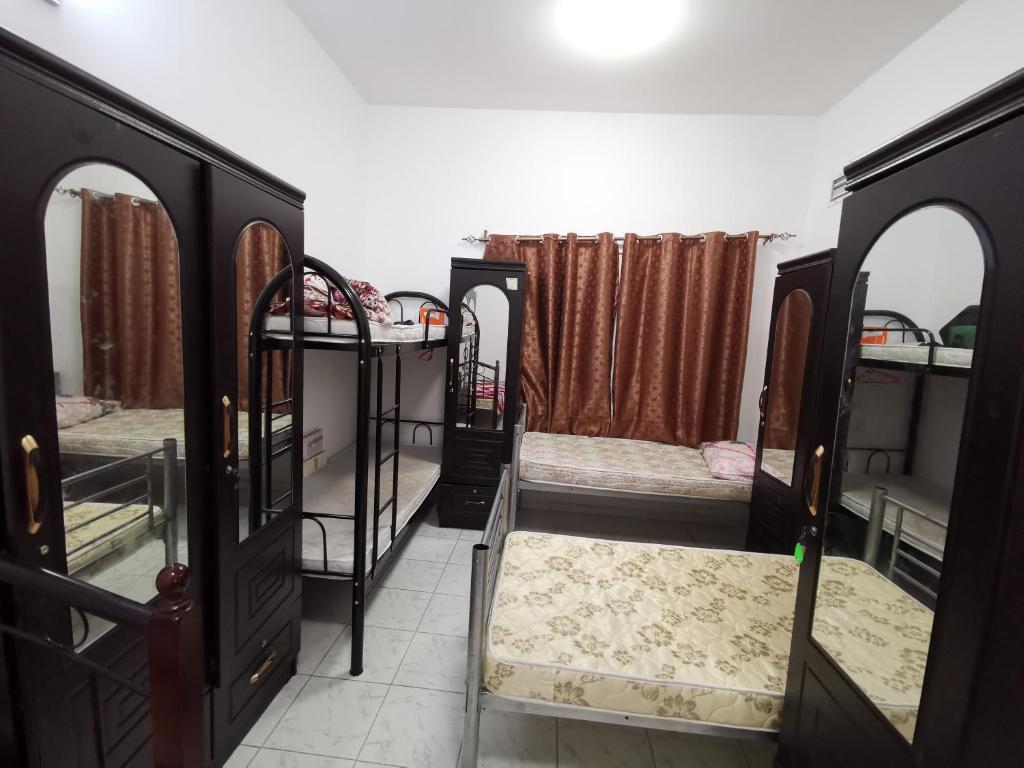

Landlords across Dubai face penalties reaching AED 1,000,000 under a newly active regulation that sets binding rules for how shared accommodation is rented and run. The framework, formally Dubai Law No. (4) of 2026 on the regulation of occupancy and management of shared housing in the Emirate of Dubai, came into force on Wednesday, roughly six months after it was issued on February 27.

Penalties start far lower than the ceiling. Violators can be fined anywhere from AED 500 to AED 500,000, with the amount doubling for repeat offenses, though the total is capped at AED 1,000,000 in every case. Authorities may go further than monetary sanctions, including disconnecting public utilities from a non-compliant unit until the breach is corrected.
The law spells out which properties qualify for shared housing. Eligible units span residential apartments, standalone houses, residential complexes, mixed-use buildings, townhouses, and multi-storey structures. It also identifies who may occupy them: families, all-female or all-male groups, students of either gender, staff of government bodies, and employees of private firms and institutions.
A range of duties falls on the party leasing the space. Landlords cannot exceed the occupancy ceiling fixed by the permit, and they must mount a clearly visible information panel on the unit’s exterior in both Arabic and English. They are required to sign a lease and give the occupant a copy, along with a guide outlining the resident’s entitlements, responsibilities, and emergency contact numbers. Beyond that, they must keep the property in good condition, hand it over on the agreed date, and refrain from altering its use or carrying out modifications without the proper permits.
Occupants carry obligations of their own. They must observe environmental, health, and safety rules, look after the unit, and avoid changes or repair work without approval. Using the space for anything other than living there is barred, as is subletting it or running any commercial activity from the premises.

On money, the regulation requires the rent to be stated in the contract and settled monthly in advance unless the two sides arrange something different. That amount covers electricity and water charges, again subject to any other agreement between the parties.
Several grounds permit removing an occupant before the lease ends. These include failure to pay rent within 30 days of receiving a payment notice, or using the premises unlawfully or in ways that offend public order and morals. A resident may also be evicted if the permit is revoked, the land use is changed, or a technical report finds the building at risk of collapse.
Additional eviction triggers cover orders from the relevant authority for demolition, maintenance, or urban development, as well as an owner reclaiming the unit for personal use or for a first-degree relative. In that last situation, the occupant must receive at least 30 days’ notice.
Owners and establishments already operating have a one-year window from the law’s commencement to bring their arrangements into line with its terms.
