



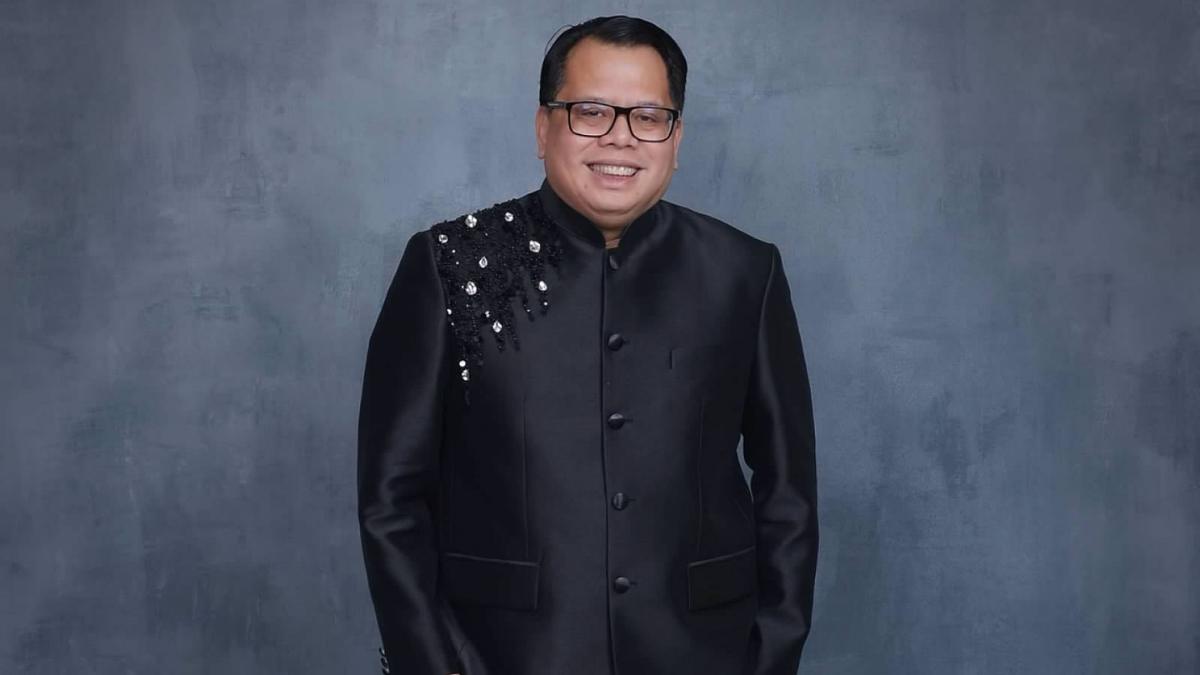

A cancer diagnosis rarely announces itself. It arrives the way weather does — sudden, indifferent, splitting a life cleanly into a before and an after. For most people, that division is the closest they will ever come to understanding what it means to lose everything in a single instant. Jonathan Anotado Gapilango learned it far earlier than most, and not in a hospital.

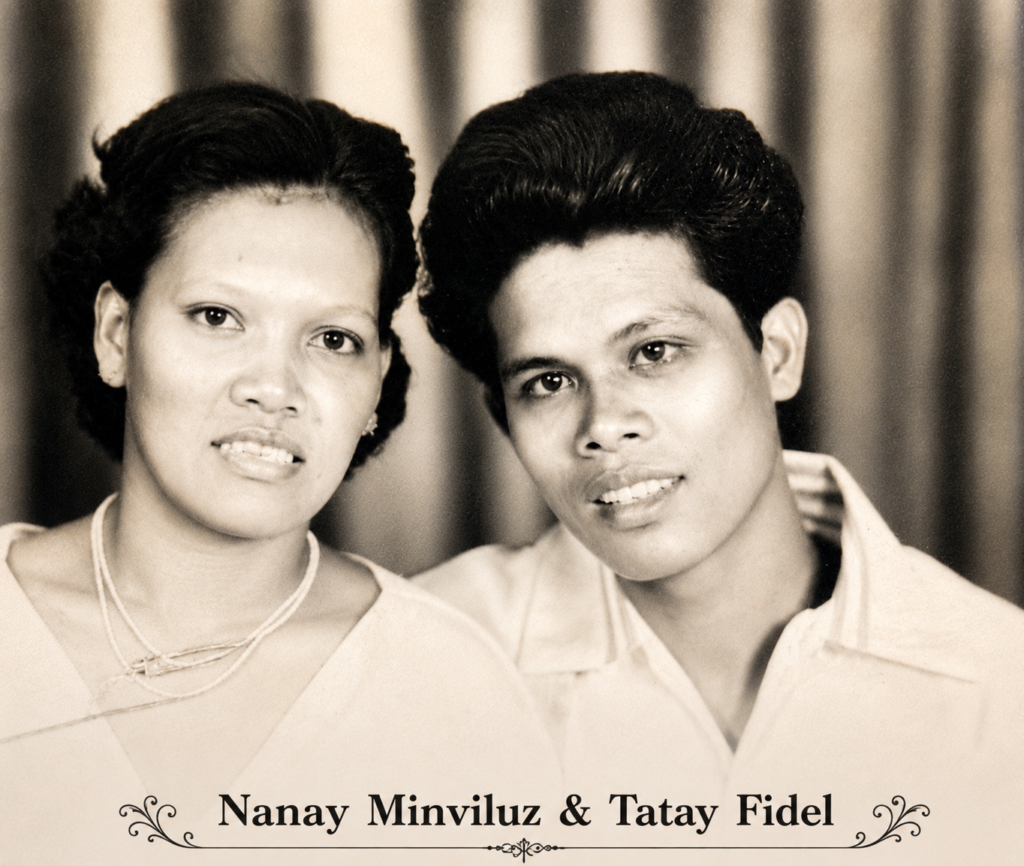
He was twelve years old, one of four children in a family in the Visayas, when lightning killed both of his parents. Fidel and Minviluz Gapilango were gone in the space of a single strike. “In one terrible instant, the life I knew changed completely,” he shares with TGFM. What that boy could not have known — studying his way through grief, washing his own nursing uniforms with a bar of Perla soap — was that he would spend the next four decades building a career out of helping other people survive their own sudden befores and afters.
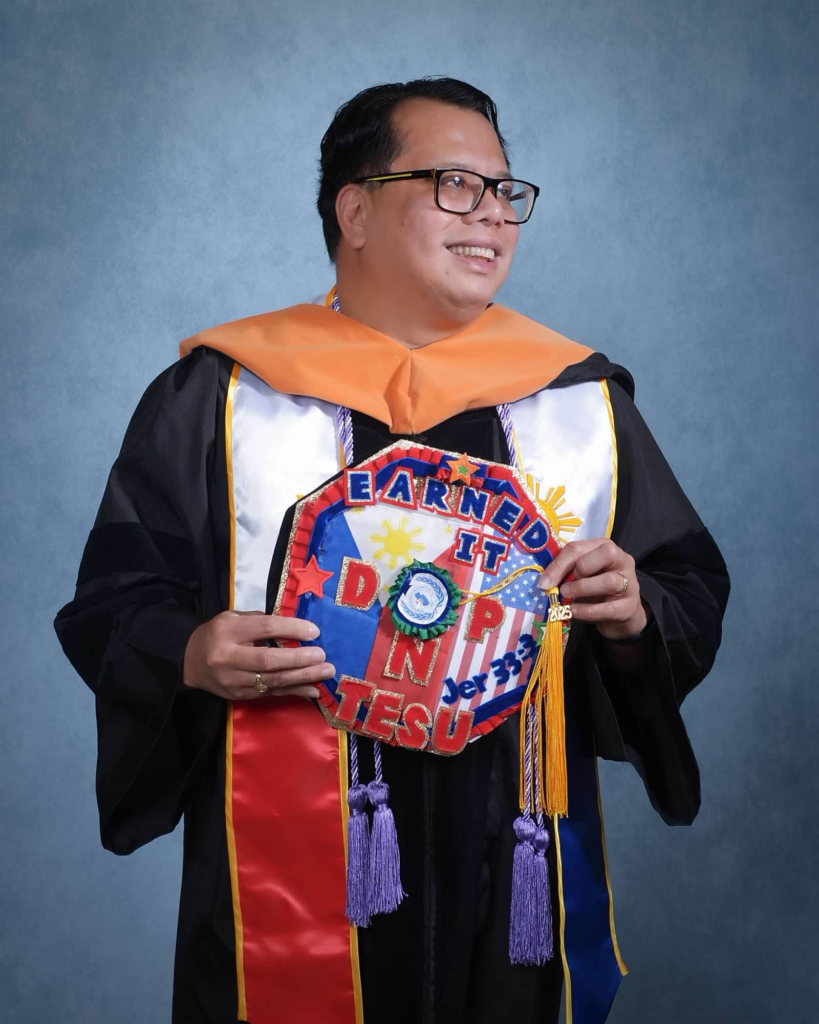
Today, at 53, the Filipino nurse serves as Administrative Director for Oncology Performance Measures at Robert Wood Johnson University Hospital in New Jersey, a post he has held since December 2021. The credentials trailing his name read like a paragraph unto themselves — DNP, MMIN, RN, and a string of specialty certifications. In 2025, The Outstanding Filipino Awards named him one of the 100 Most Influential Filipinos in the World. On December 7, 2026, he will be conferred a Fellow of the Faculty of Nursing and Midwifery of the Royal College of Surgeons in Ireland. But the man behind the letters is far more interested in talking about a kerosene lamp.
A childhood measured in what others gave
The Gapilango story does not begin with achievement. It begins with loss, and with the people who refused to let four orphaned children face it alone.
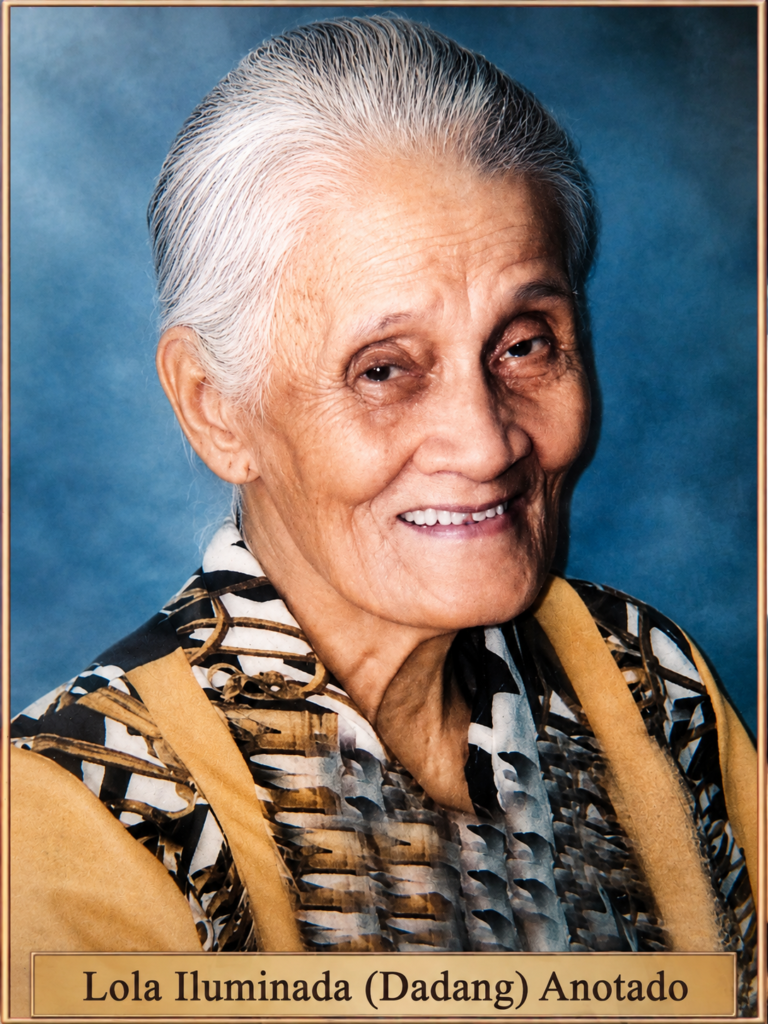
Chief among them was his grandmother, Lola Dadang, who became the axis around which the family reorganized itself. She could not undo what the storm had done, but she gave the children something durable: faith, discipline, and the stubborn conviction that education could pry open doors that poverty had bolted shut. His siblings — Joel, Benjamin, and Suzette — carried the same grief and the same uncertain future. Around them formed a wider circle of aunts, uncles, and cousins who stepped forward when there was almost nothing to give.
The names still come to him in full, decades later, like a roll call he refuses to shorten: his aunts Thelma and Belen; his uncles, including Reverend Paquito and the late Jose; his cousins Ruth Lebes and the engineer Nimrod Perez, whose help arrived at the moments that mattered. Some gave money. Some gave food. Some offered a place to stay or lent what he could not afford to buy. Some of that support came from relatives working abroad, pulling extra shifts and second jobs while raising their own families, still finding a way to send something home.
The math of it never left him. “Every examination I passed and every semester I completed represented the sacrifices of many people,” he says. He is emphatic that none of those acts will ever appear on a résumé. “Their generosity may never appear among the degrees and awards,” he says, “but their sacrifices helped make everything that eventually appeared on that résumé possible.”
The scarcity was concrete, not abstract. Tuition sometimes meant signing promissory notes. Clothing was thin; nursing uniforms thinner still. He rewashed and reused the few he had in the Ilonggo shorthand for making do — “Uba laba, suksok mala,” take it off, wash it, wear it again the moment it dries. He scrubbed them himself with Perla soap between case studies and care plans, the ordinary labor of a student who could not outsource anything.
There is one memory he returns to more than any other. A New Year’s Eve in Guimaras, three people, and a single hard-boiled egg to share over rice. Before anyone touched the food, Lola Dadang bowed her head. “Salamat, O Dios, nga may ara kita bisan ano pa man,” she prayed — thank you, God, that we have something at all. Moments later, a cousin arrived unannounced from Negros, carrying a whole fried chicken. The former oncology nurse still describes it as a lesson rather than a coincidence. “It taught me that even after life has shown you how suddenly something can be taken away, help can also arrive unexpectedly.”
On weekends in Guimaras, the family home had no electricity. He read his nursing textbooks by a kingki, a small kerosene lamp, and sometimes woke the next morning with soot ringing his nose. Through it, his grandmother offered the same quiet instruction, over and over: “Jonjon, antos-antosa lang ah.” Just endure. Finish. A brighter future is waiting.
From a kerosene lamp to a cancer floor
Endurance, it turned out, was a transferable skill. He graduated from Central Philippine University College of Nursing in 1993 and went straight to work — first as a research nurse at his alma mater, then as a clinical instructor at West Negros College in Bacolod City. In 1995, he moved to the United States, where his first documented job was managing the psychiatric unit at a nursing center in Freehold, New Jersey.
What followed was not a straight ascent but a long, deliberate accumulation. Long-term care gave way to bedside oncology nursing, then supervision, cancer research, infusion services, and eventually executive administration. Over the years his titles multiplied: primary oncology nurse; director of patient care services for inpatient oncology and infusion nursing; director of oncology research and the oncology data center; director of inpatient oncology; director of outpatient infusion; director of cancer center administration. Each rung carried more responsibility for the systems beneath it, and less of the bedside intimacy that first drew him to the work — a trade he seems to have made with his eyes open.
Along the way he was chosen as a surveyor for the National Accreditation Program for Breast Centers — the second nurse among 41 surveyors, the rest of them physicians. It is the kind of distinction that would headline most careers. In his telling, it is one detail among many, mentioned almost in passing.
Oncology was not a random landing point. It was, he suggests, a kind of homecoming to the emotional terrain he already knew. “A cancer diagnosis can feel like lightning striking a person’s life,” he says. “One day, someone is living normally. The next day, everything may suddenly revolve around tests, treatments, fear, uncertainty, and difficult decisions. I know something about having life change without permission.” He is careful not to romanticize the connection — suffering, he insists, does not automatically make anyone a better nurse. But it did teach him what it feels like to search for something steady when the ground gives way, and that is a language cancer patients speak fluently.
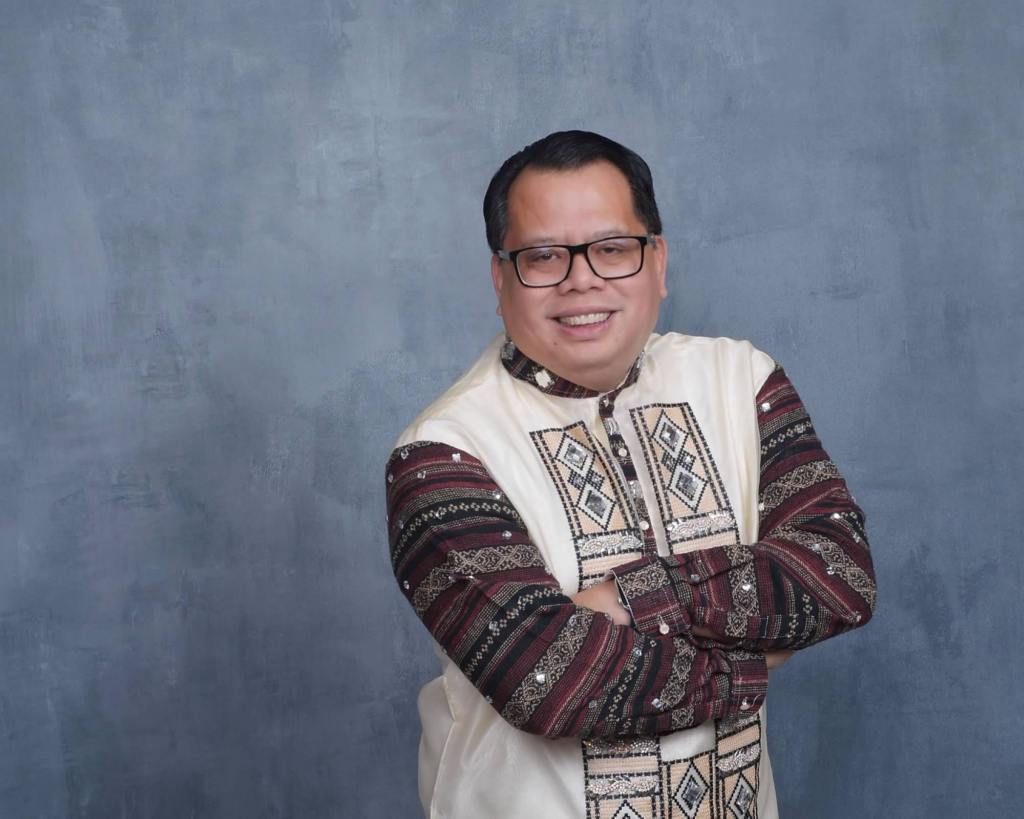
His fingerprints are on programs that now guide thousands of patients through that disorientation: breast and lung cancer navigation, survivorship care, cancer risk evaluation, clinical research, tumor boards, and accreditation initiatives. What draws him to the work is its reach — the way a single well-built system touches far more people than any one clinician ever could. “What I appreciate most about my current work is the opportunity to make an impact not only on individual patients but also on the systems that influence the quality of care received by thousands of patients,” he says.

The satisfaction, though, is rarely about any single milestone. “The most fulfilling part is knowing that something we develop today may make someone’s cancer journey a little less frightening tomorrow,” he says. And there is a second engine underneath the first: teaching. He remains an adjunct faculty member at institutions in both the United States and the Philippines, and he speaks about mentorship the way other people speak about compound interest. “When I mentor a nurse who later becomes a leader, educator, advanced-practice nurse, or mentor to someone else, the impact continues,” he says. “That is deeply satisfying.”
The distance between here and home
For all that the United States gave him — a doctorate completed in 2025 with a 4.0 GPA and President’s List recognition, a fellowship in the New York Academy of Medicine, a Master of Ministry in Leadership alongside his nursing degrees — the man who once studied by kerosene light is unsentimental about why he left in the first place. He went abroad, he says plainly, to build a more secure future and to honor the people who had sacrificed for him. The opportunities in clinical nursing, oncology, research, and leadership were ones “I could never have imagined as a young nursing student in the Philippines.”
Abroad gave him range as much as rank. Working across cultures, professions, and health systems taught him an adaptability he could not have acquired at home, and it built professional networks that now stretch across the United States, the Philippines, and beyond. But the benefit he prizes most is portable. “Perhaps the most meaningful benefit has been acquiring something that I can share,” he says. “The overseas experience becomes even more meaningful when what we gain abroad eventually finds its way home.”
Because somewhere in the three decades since 1995, the purpose shifted underneath him. “I realized that the goal was not simply to build a successful life overseas,” he says. “The greater responsibility was to use whatever I gained overseas to create opportunities for others.”
That conviction has a return address. He has led the Philippine Nurses Association of New Jersey — now more than 1,000 members strong, the largest chapter of the Philippine Nurses Association of America — as its past president, and will serve as its executive director from 2026 to 2028. He has folded himself into mentoring programs with names that carry their own promise: Patnubay ng Pagtatagumpay, guidance for success, and Salin Kaalaman, knowledge transfer, both built to move hard-won expertise from American hospitals back to Philippine nursing institutions.
That giving-back has never been confined to nursing wards. Over the years he has thrown himself into cancer awareness drives, feeding programs, mental-health education, and assistance for schools and Indigenous communities — the kind of work, he says, that reminds him “nursing does not stop when we leave the hospital.”
The most vivid proof of the homecoming, though, is Guimaras itself. In June 2025, the old math of scarcity fully inverted: the nurse who grew up in a house without electricity led a medical mission in Avila, Buenavista, serving more than 150 people. Seven months later, in January 2026, he returned as project leader for a far larger effort — medical consultations, dental extractions, circumcisions, reading glasses, pharmacy services — that reached more than 1,200 patients. He does not narrate it as triumph so much as symmetry. “The student whose family once worried about tuition was now helping organize resources for others,” he says. “For me, that is gratitude in motion.”
Looking past his full-time years abroad, he wants the next chapter to stay pointed in the same direction: cancer prevention and education, access to healthcare, nursing leadership, mental-health awareness, and support for underserved communities. The advocacies are broad, but the impulse behind them is narrow and specific — a boy who was helped, deciding what to do with it.
What he tells the ones still struggling
Ask him for advice to fellow Filipinos abroad, and he does not lead with career strategy. He leads with memory. “Remember why you left home,” he says, “but never forget who you are and where you came from.”
The counsel that follows is practical and unglamorous. Do not measure success by salary alone. Live within your means, save, prepare for emergencies, keep investing in your own education. Guard your integrity at work, and do not be too proud to start at the bottom — “My first overseas position did not determine the highest level I could eventually reach.” Choose relationships by watching what people do over time, not what they say, and never let loneliness make your important decisions for you.
And then the part that clearly matters most to him: when success finally comes, turn around. “When you become successful, remember someone who is still struggling,” he says. “Help a newly arrived kababayan. Mentor a younger nurse. Support someone’s education. Open a door.” He frames it not as charity but as accounting — a debt owed to everyone who kept him afloat. “Many people helped me become who I am today. I believe one way of honoring them is to make sure their generosity does not end with me.”
That idea is the through-line of an entire life, and he has a metaphor ready for it. Lightning, the thing that took his parents, is brilliant but lasts only an instant. A kingki is the opposite. Its light is small, and it survives only if someone tends it, protects it, keeps feeding it. “Sometimes,” he says, “a small and faithful light is exactly what helps someone make it through the darkest night.”
Once, other people kept that light burning for him — his parents who gave him life, the grandmother who gave him faith, the siblings and cousins and relatives who carried burdens too heavy for one boy to lift alone. Behind many successful people, he insists, are names that never appear beside the awards: the grandmother who prayed, the sibling who endured alongside you, the relative who worked another shift so something could be sent home. “Success is never entirely an individual achievement,” he says. It is the lesson his whole life keeps circling back to, and the reason he cannot bring himself to treat his own accomplishments as self-made.
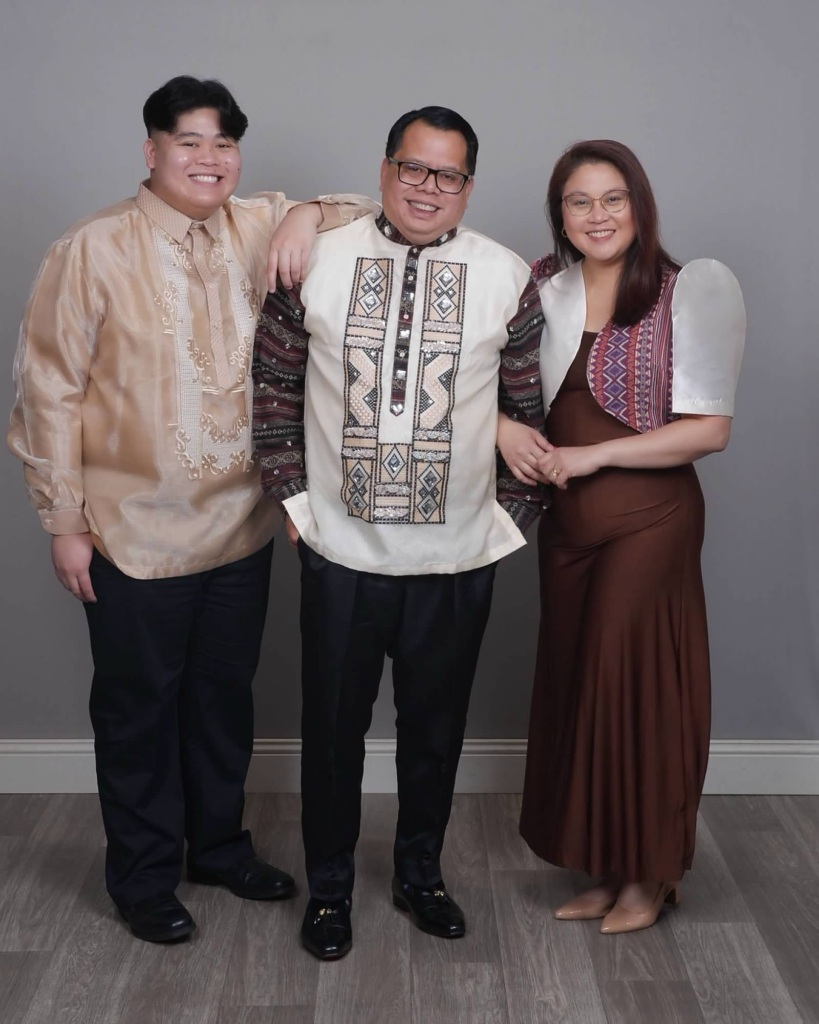
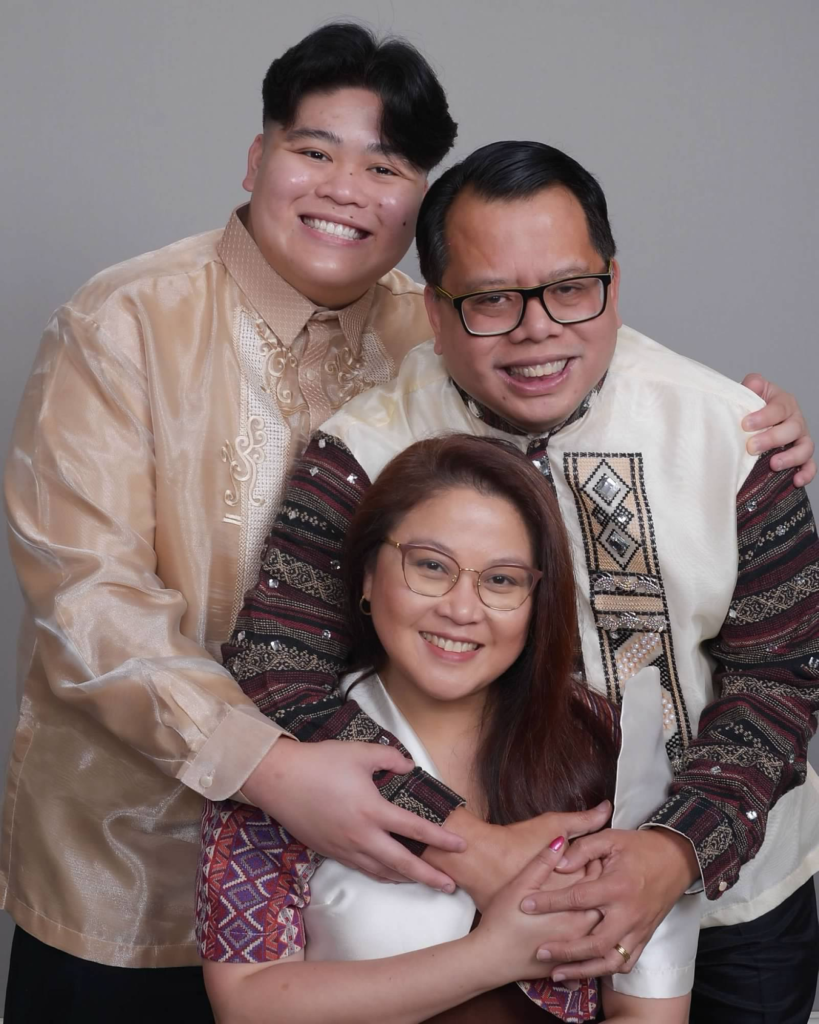
He is 53 now, with a wife, Rowena, and a son, Jon Joshua Fidel, who is following him into nursing — a second generation carrying the same vocation forward. He does not want to be measured by the letters after his name, the positions he has held, or the awards he has collected. He would rather be measured by the nurses he mentored, the patients whose journeys he eased, and the communities he went back to serve. “Our beginnings do not have to determine our endings,” he says. Lightning changed his life when he was twelve, and took his parents far too soon. But, as he puts it, lightning did not get to write the rest of his story.
“Once, I needed people to keep a light burning for me,” he says. “Today, I carry their light — and I try to keep it burning for others.”
