



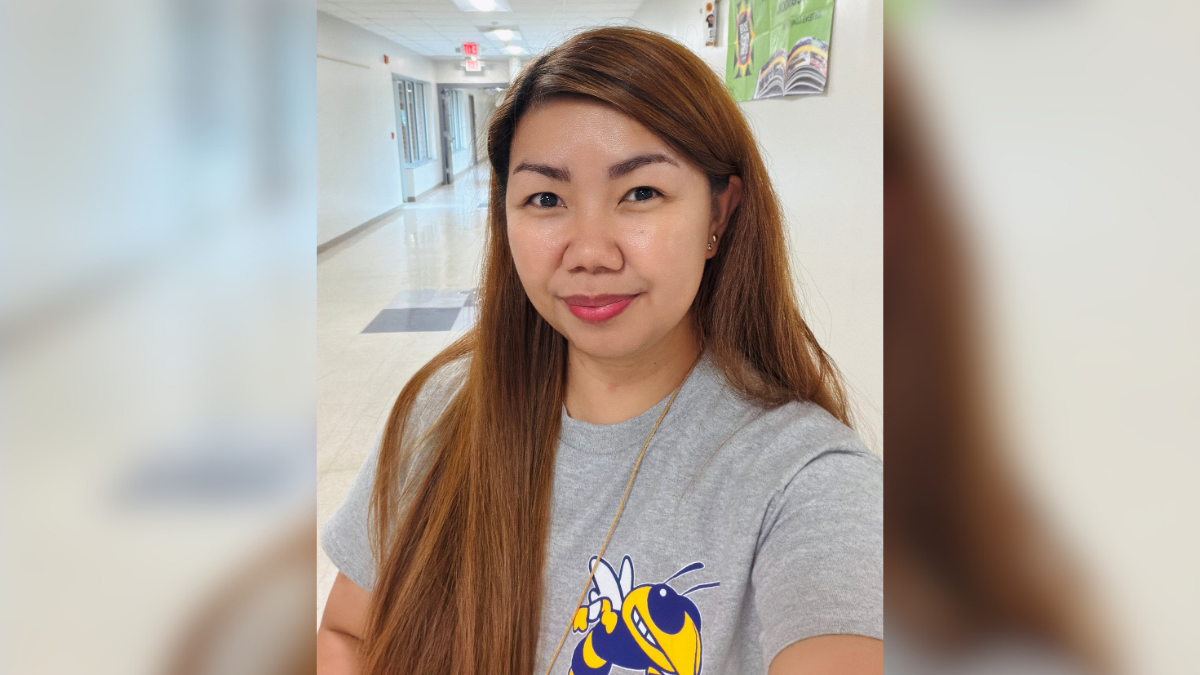

Branchville, South Carolina, is a long way from Zamboanga del Norte — about 9,000 miles, one ocean, and an entire educational system removed. Yet the woman standing at the front of an English 1 classroom there in the fall of 2022 was carrying something that made the distance feel smaller: a conviction that literacy could change the trajectory of a young person’s life, whether that young person grew up in the southern Philippines or the American South. Lyneth Generoso had spent years proving it in one country. She arrived ready to prove it again in another.

Starting from zero, again
At 38, Lyneth belongs to a generation of Filipino educators who have quietly become one of the country’s most valuable exports. But she is careful not to romanticize the leap. When she describes those first months in the United States, she reaches for a phrase that will resonate with anyone who has ever rebuilt a life overseas.
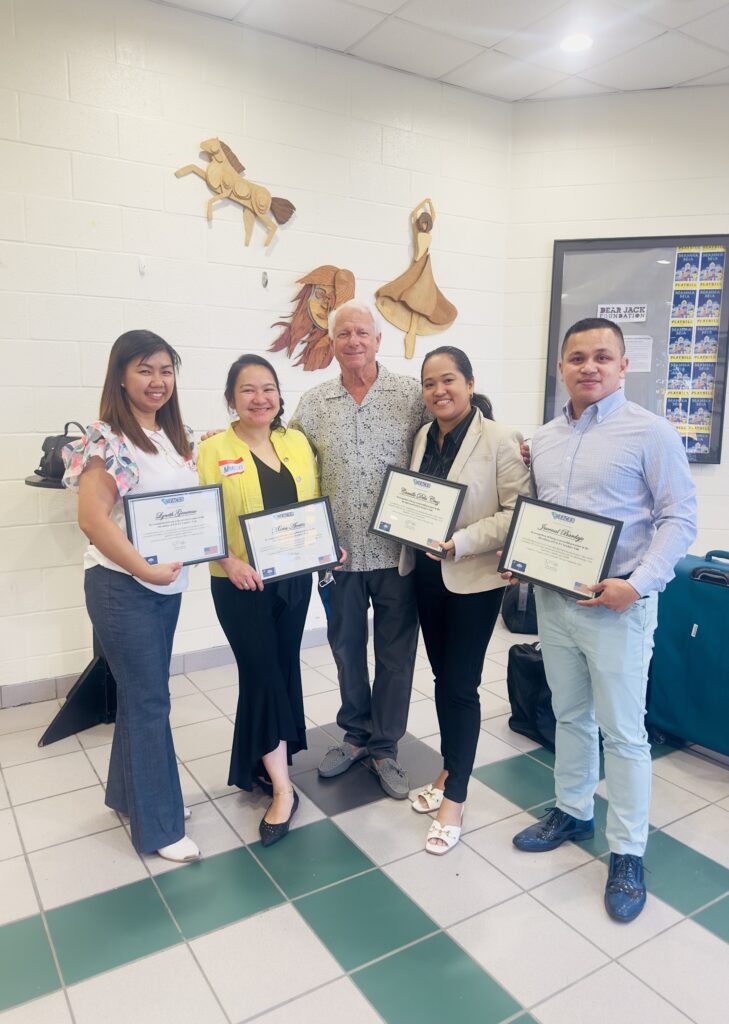
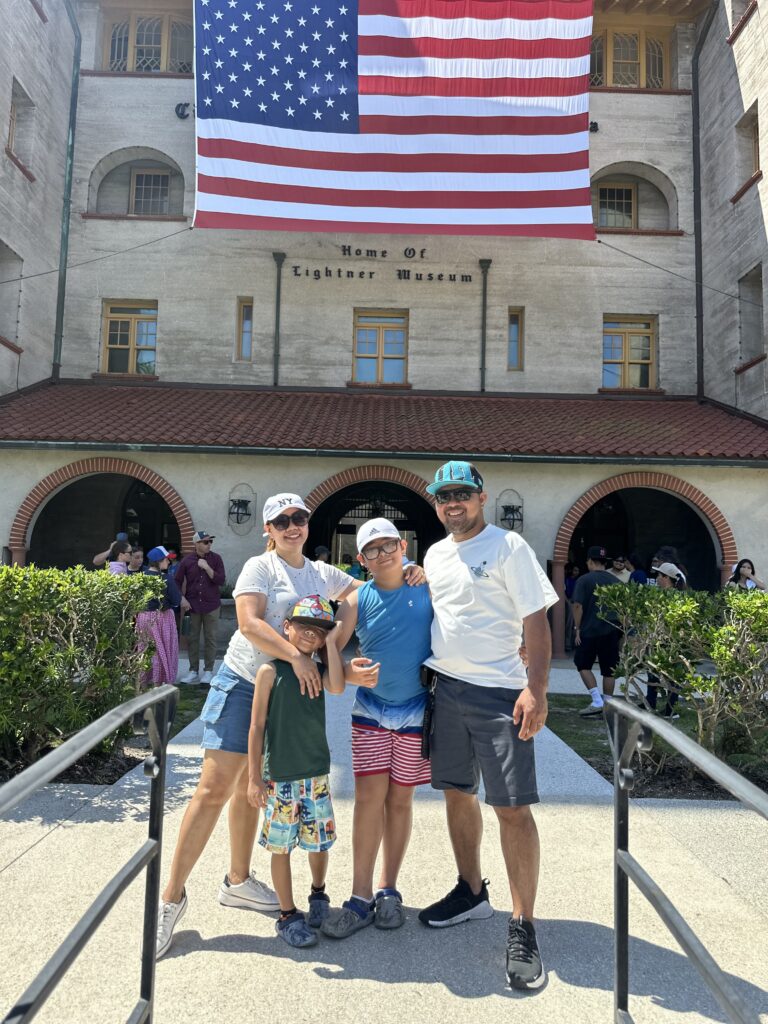
“One of the biggest challenges I faced when I first moved abroad was feeling like I was starting from zero again,” she says. There was the practical arithmetic of a new currency — learning “how to manage and spend dollars” — layered on top of the harder work of decoding an unfamiliar educational system, a different curriculum, and colleagues whose cultural cues she was still learning to read.
The Filipina teacher’s response to all of it was less a strategy than a disposition. “I overcame these challenges by staying open-minded, being willing to learn, asking questions, and reminding myself that every unfamiliar experience was an opportunity to grow.” It is the kind of thing people say. What makes it credible in her case is that she has been saying it, and living it, on both sides of the Pacific.
She is quick to name the people who made the landing softer. Her family was the anchor. Filipino friends and supportive locals kept the loneliness at bay. A visa sponsor smoothed the transition, and at Branchville High School, her principal, assistant principal, and co-workers turned out to be approachable when she needed them most. “Their willingness to help made many challenges feel lighter and more manageable,” she recalls. The lesson she drew from it is one she now offers freely: success abroad does not have to be achieved alone.
The teacher before the crossing
To understand what South Carolina gained, it helps to look at what Zamboanga del Norte had already recognized. Before she ever taught English 1, Creative Writing, or Honors English in the United States, the former reading coordinator had been named Outstanding Reading Teacher of her division in the Philippines — a distinction she still speaks of with unmistakable pride.
“This recognition was especially meaningful to me because it affirmed my dedication to developing students’ reading abilities and fostering a love for learning,” she says. The award was not an isolated honor. It sat atop a stack of roles that stretched well past the classroom door: Supreme Student Government adviser, module writer, member of the Quality Assurance Team, radio broadcaster for lessons, and emcee for school and community events. She was, in the fullest sense, a teacher who refused to stay behind a single desk.
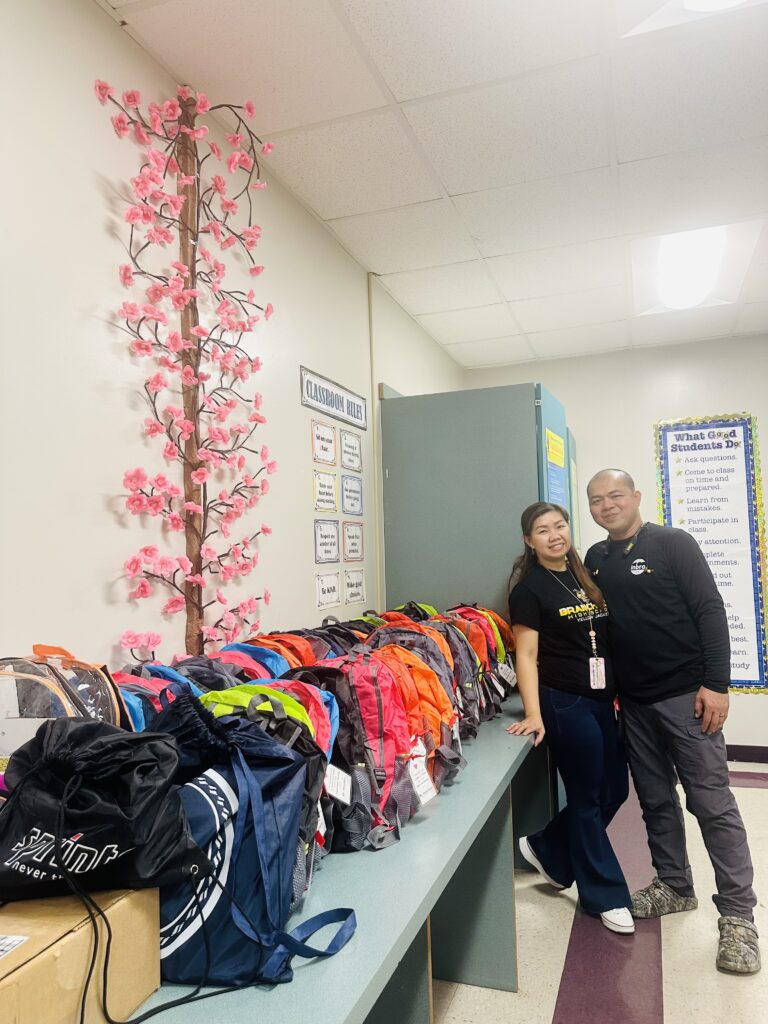
One project from those years has followed her across the ocean. In the Philippines she launched Adopt-a-Shoebox, a community outreach effort that gathered sponsors and donations to put school supplies, dictionaries, and books into the hands of underprivileged students. When she moved to the United States, the idea crossed over with her and grew a new name — Adopt-a-Backpack — while keeping its original purpose intact. It is a small but telling detail about the way she works: the geography changes, the mission does not.
What she brought to Branchville

Her current title undersells the range of what she actually does. Officially, the veteran educator teaches English 1, Creative Writing, and Honors English at Branchville High School and serves as an English intervention teacher for middle school students. Unofficially, she has slipped into the role of instructional leader with the ease of someone who has done it before.
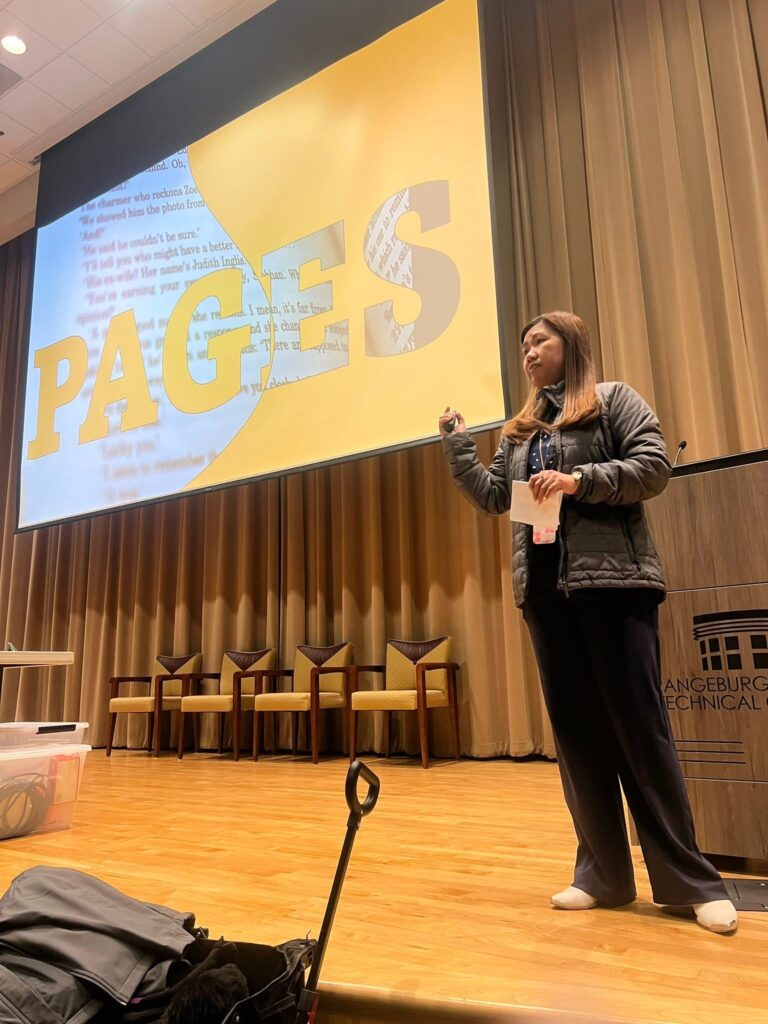
She developed a classroom method she calls the PAGES Reading Strategy and shared it during district professional development. The response was immediate and concrete. “Following the presentation, the district recommended the strategy for use by other ELA teachers,” she notes — a rare thing for a teacher only a couple of years into a new system. From there, she took on additional work as a writing facilitator during the district’s writing competition and helped build the pacing guides for Grade 9 English 1 and Grade 8 Honors English 1.
What drives all of it is something more grounded than ambition. Ask her what she appreciates most about the work, and she does not mention titles or recognition. She talks about the moment a struggling reader stops struggling.
“I especially enjoy seeing students overcome challenges, become more confident in reading and writing, and apply what they have learned,” she says. She is honest, too, about the metric that moves her most, the one many teachers hesitate to admit they care about. “One of the most rewarding experiences for me as a teacher is seeing my students’ scores improve in important assessments, particularly state tests, because those results provide tangible evidence that their hard work and the strategies and support I provide are making a difference.” For her, the numbers are not bureaucracy. They are proof that a child’s effort paid off.
A family that traveled with her
There is a version of the overseas-worker story where the professional leaves everyone behind to chase a paycheck. Hers is deliberately not that story. When she explains why she left the Philippines, professional growth is only half the answer. The other half is her family.
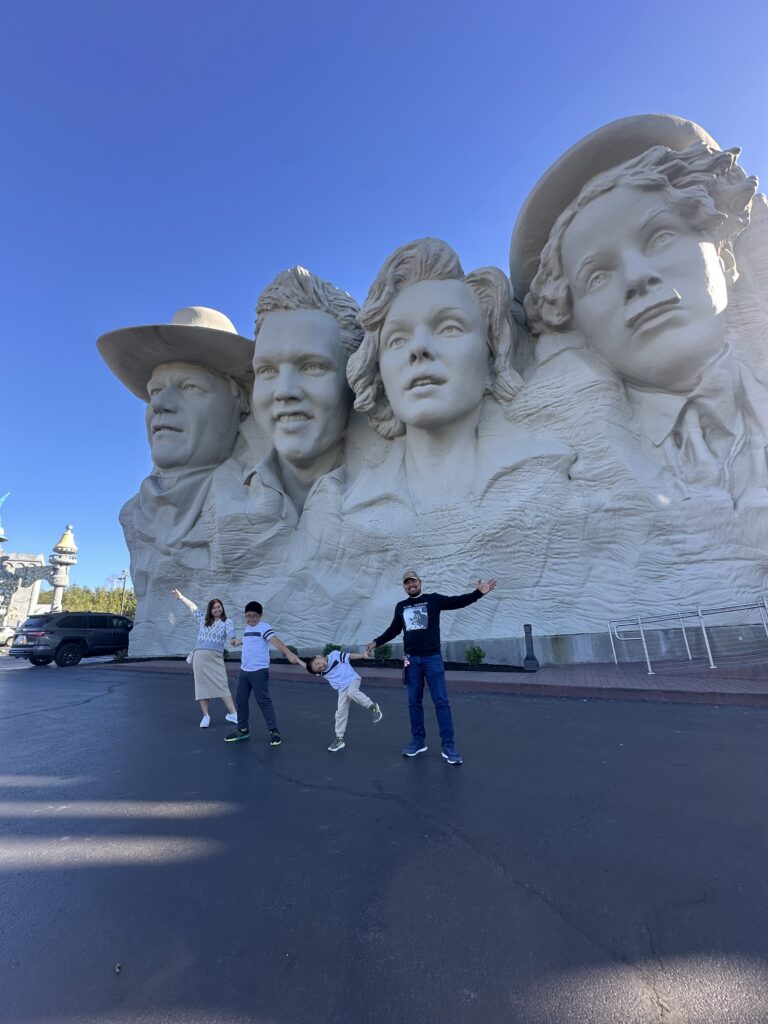
“I also wanted to give my family the opportunity to experience life outside our home country,” she says. The appeal was not abstract. It was the chance to take people she loves to places they had only encountered “on television, in magazines, or through pictures,” and to stand there with them when the picture became real. The most satisfying part of working abroad, for her, is not the salary or even the professional stature. It is sharing the discovery. “Being able to bring them to places we once only dreamed of seeing, allowing them to experience different cultures firsthand, and creating those memories together is one of the greatest benefits of working overseas for me.”
The road back, and the advice she leaves behind
For all that she has built in South Carolina, the English teacher speaks about her time abroad as a chapter rather than a destination. She intends to bring what she has learned home. “After completing my tenure abroad, I hope to continue growing as an educator and use the knowledge, experiences, and perspectives I have gained internationally to contribute to education in my home country and community,” she says. The plan includes mentoring other teachers, advocating for literacy, and keeping the Adopt-a-Shoebox and Adopt-a-Backpack projects alive for students with the least access to resources.
Her advice to other Filipinos abroad carries the cadence of someone who has weathered the hard early months and come out steadier. Hold on to faith when life feels uncertain. Be careful about whom you trust. Ask for help without shame. And, in a line that could double as her teaching philosophy, embrace what you do not yet understand. “Every new experience, culture, challenge, and person we encounter can teach us something valuable,” she says. “Have faith, prepare yourself, keep learning, and embrace the journey.”
It is the counsel of a woman who once felt like she was starting from zero — and who discovered, in the starting over, exactly how much she already knew.
