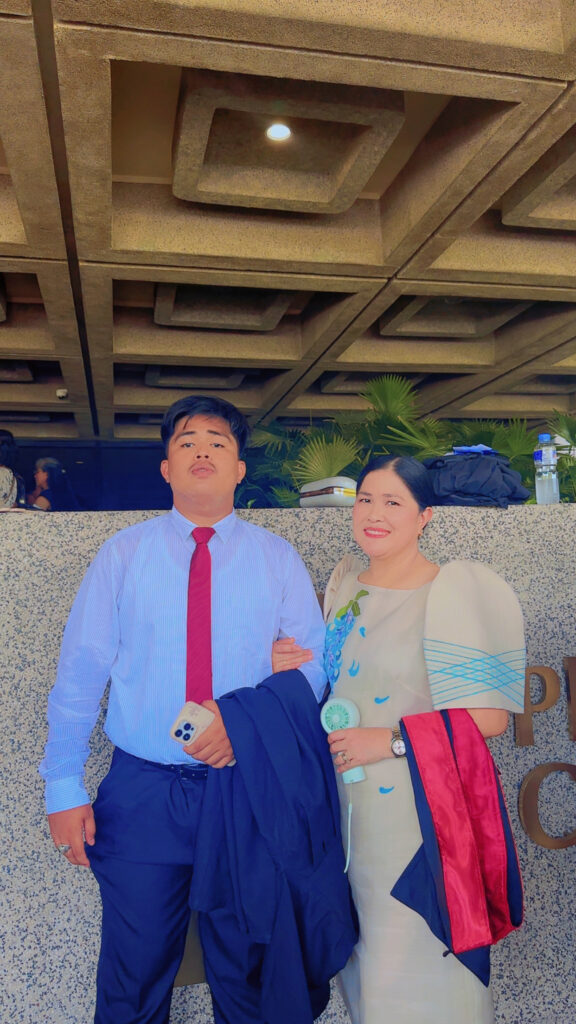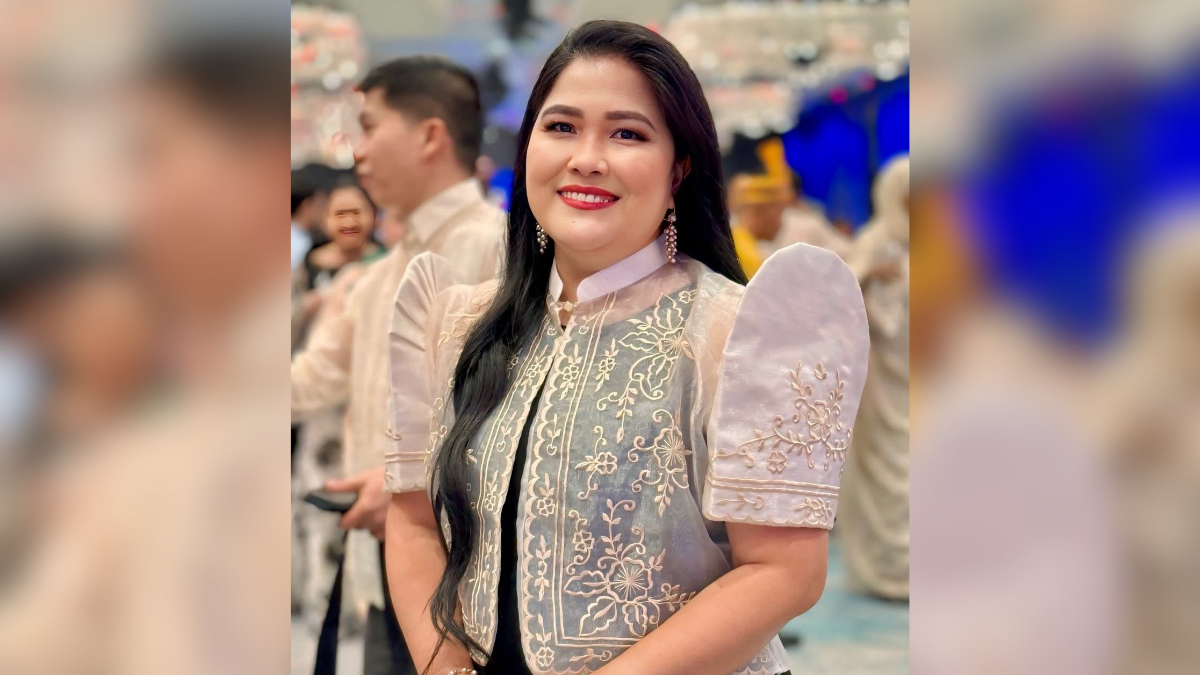

The nurses who leave the Philippines usually talk about what they gave up — the birthdays missed, the children raised over video calls, the years that disappear into a foreign hospital’s fluorescent hum. Fewer talk about what they build in the empty spaces. Darlene Monterey Armintia, a 48-year-old cardiac specialist nurse who has spent more than two decades in Saudi Arabia, built an advocacy out of hers, one food pack at a time.

Her story begins with a fear she almost let win. When the offer to work in the Kingdom came, she nearly turned it down. “It never came to my mind that I will work here in Saudi Arabia, because I’m afraid with the bad news about Saudi Arabia,” she recalls. She was a separated mother whose salary, even combined with her ex-husband’s, could not cover the cost of raising a son. So she went anyway. That was 2005. She is still there.
A dream that was never in doubt
Some people stumble into their profession. Darlene chose hers as a child and never looked back. “When I was a child my ultimate dream is to become a nurse, because I wants to serve the humanity,” she shares with TGFM — the phrasing plain, the conviction total. She trained as a midwife and then a nurse at Saint Joseph College in Cavite City, graduating cum laude and sweeping the practice awards: best in midwifery, best in community health, best in medical-surgical, best in maternal and child health.
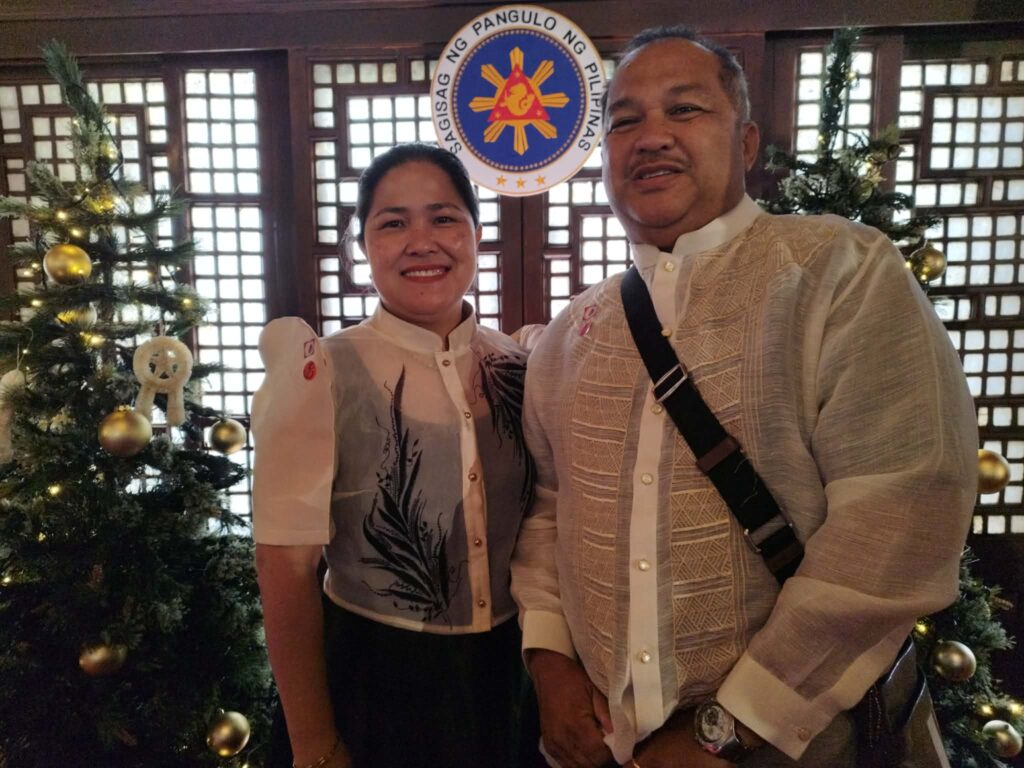
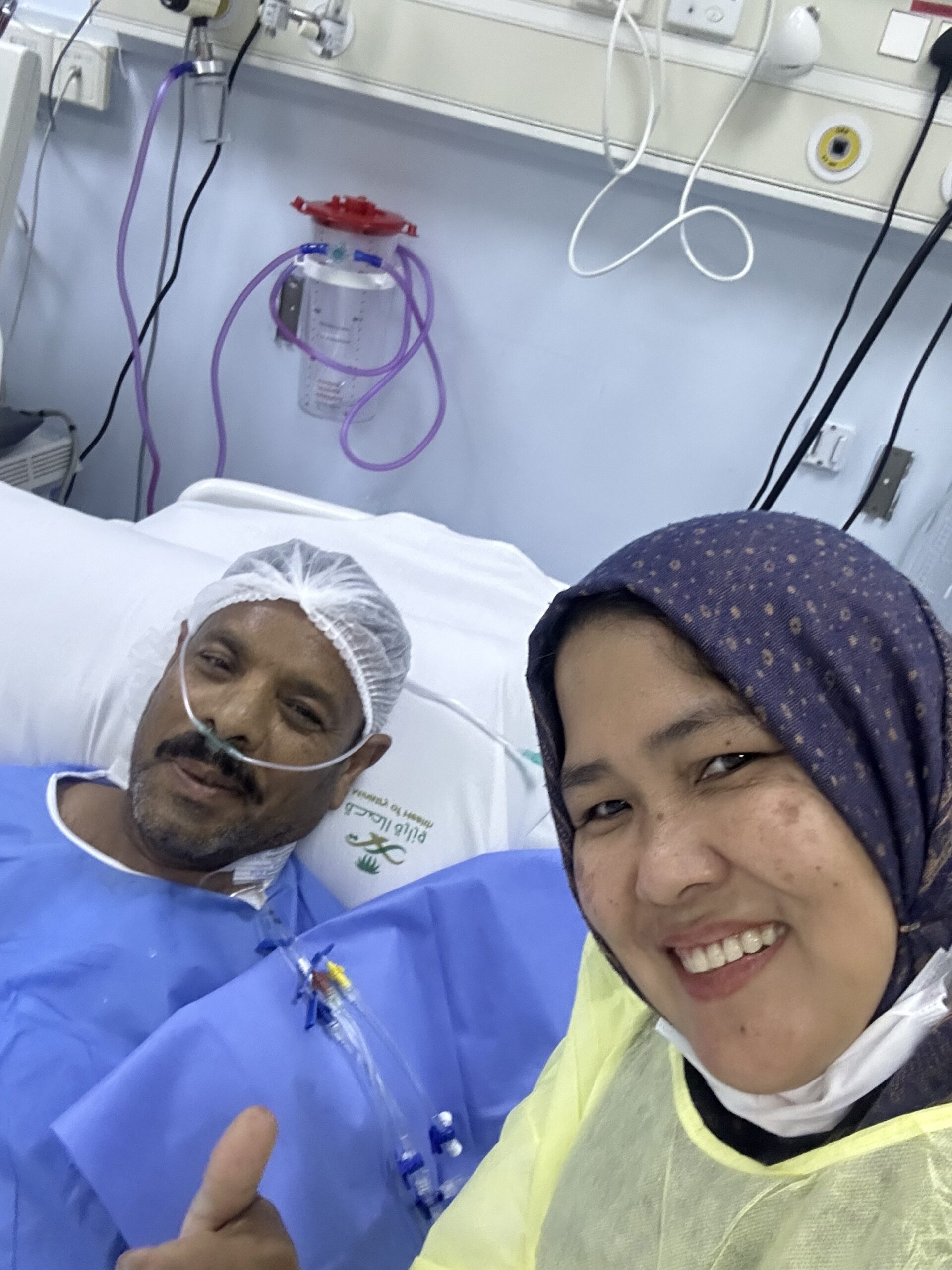
The résumé that followed reads like a steady climb. Six months as a staff nurse at a medical center in Dammam, then promotion to head nurse. Charge nurse in the emergency room, then the cardiac ICU, at King Fahad Armed Forces Hospital in Jeddah. A move to Madinah Cardiac Center in 2017. For a stretch beginning in 2023, the director of nursing for the Madinah region handpicked her to serve at the governor’s palace, where Prince Faisal bin Salman resides — an assignment she counts among her proudest. In late 2025 she asked to return to hospital work, and today she is a senior nurse in the cardiac critical care unit.
The work still moves her the way it did at the start. The best days, the former emergency-room nurse says, are the ones that end with a save: “if we are able to revive the patient, help, recover the patient and went home happily with their family.”
The kindness that started with fifty packs
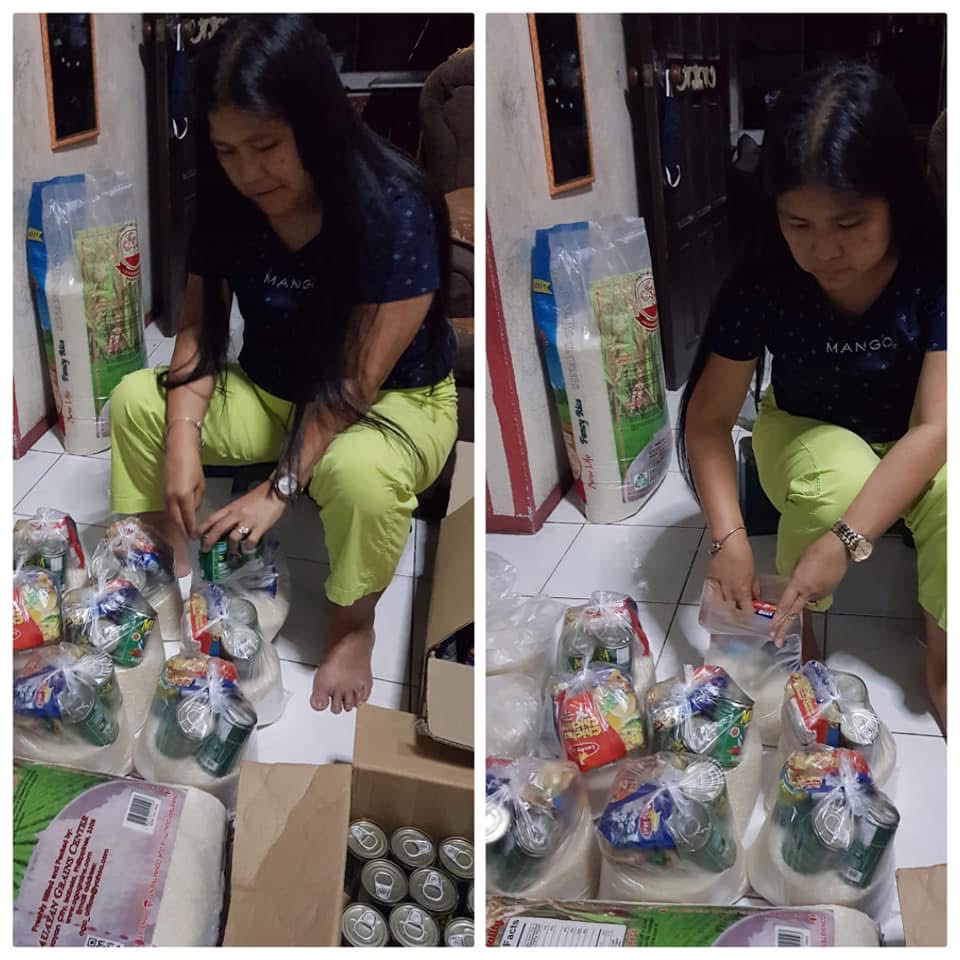
The turn in her story came not from ambition but from other people’s misfortune. In August 2016, workers at the construction giant Saudi Oger were being laid off and going unpaid, some stranded far from home. Darlene bought and packed fifty relief bundles with her own money — a kilo of rice, a couple packs of noodles, a couple cans of food in each — and started handing them out.
Then something happened that she did not plan. She posted about it online, and the donations came. Friends, colleagues, then friends of friends from other hospitals. With coworkers at King Fahad, she formed a group and called it Kawanggawa — the Filipino word for charity. They set out donation boxes in staff housing across the city. Fifty packs a week became two hundred. What began as one nurse emptying her own wallet had become a small, self-sustaining engine of generosity.

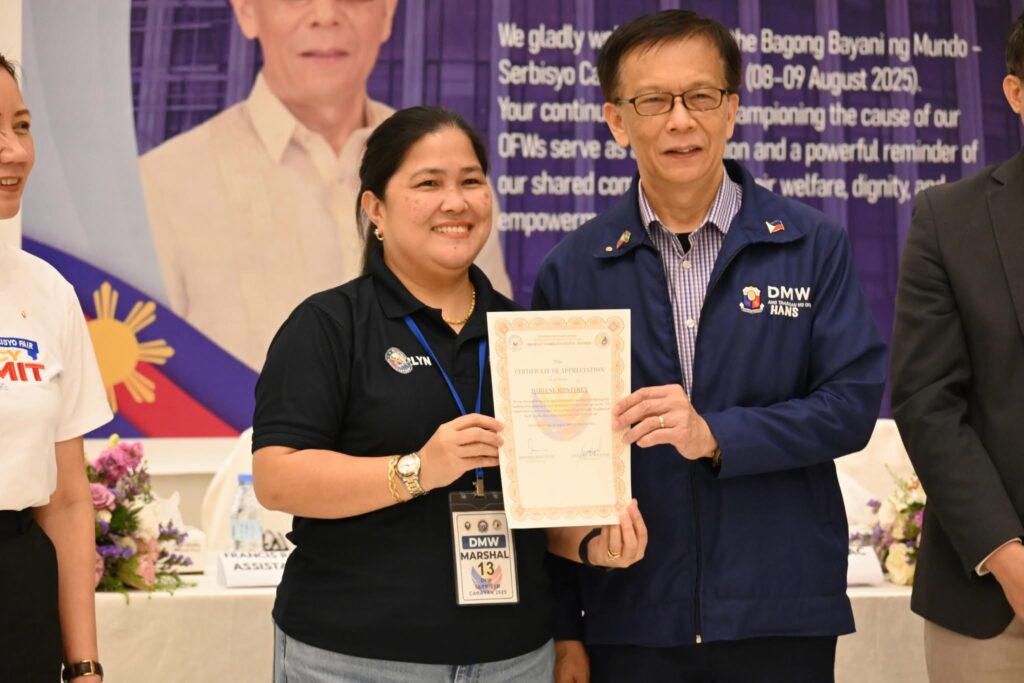
That engine has a fuel source worth naming. Her hobby is baking, and somewhere along the way the hobby became a side hustle — cakes, bread, pastries, meals, frappes, iced coffee sold to colleagues under the name Mamu & Dadu Sweet Goodies. The profits do not go to her. They go back into the advocacy. “My salary and my side hustle now is helping me to continue my advocacy,” she says. She is good at the baking, too, in a way that has drawn a little disbelief: two bronze medals at HORECA, the Kingdom’s biggest hospitality competition, in Arabic sweets and éclairs — categories where her rivals were pastry chefs from five-star hotels. For her, it was never a career. It was a means.
Celebrating a birthday by giving it away
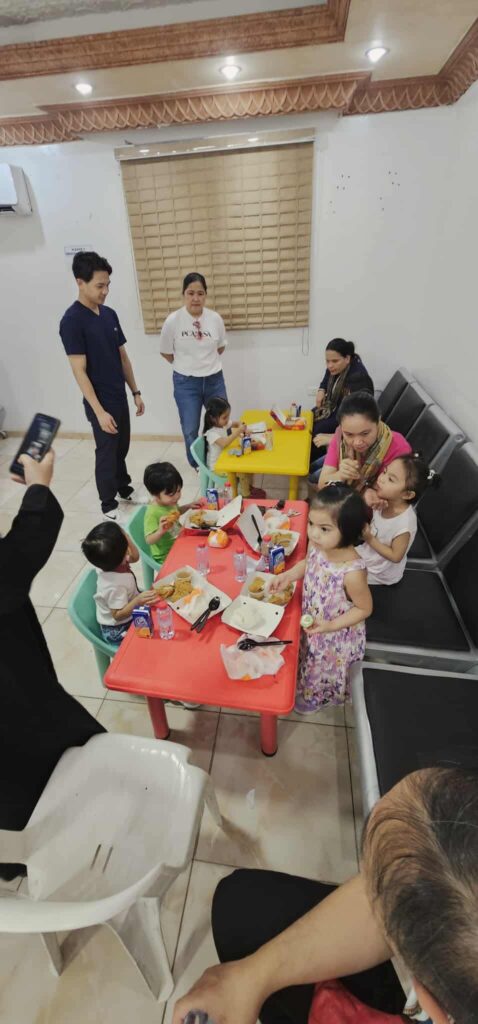
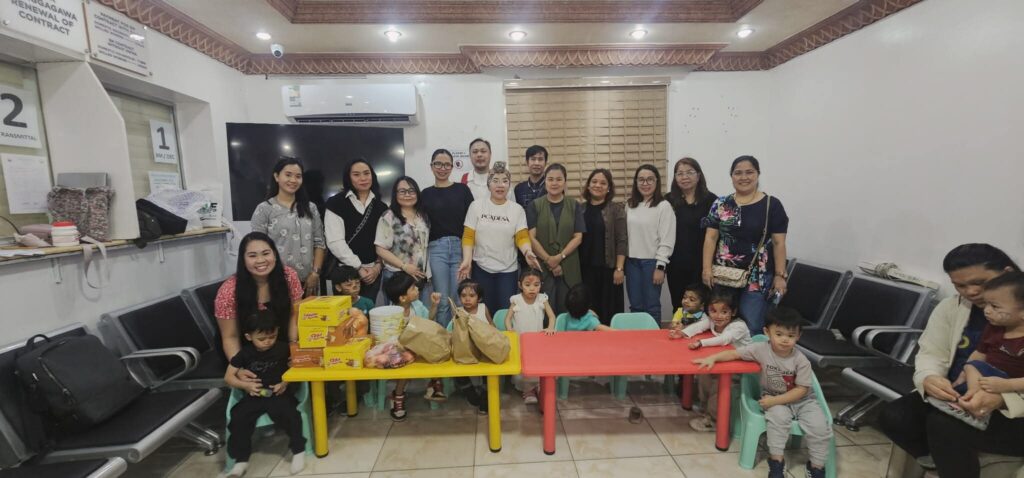
There is a ritual she has kept for a decade now. Every August 13, on her actual birthday, she does not throw herself a party in the usual sense. She spends it with distressed workers and with the children at Bahay Kalinga, the shelter run by the Philippine Consulate General in Jeddah — bringing lunch, milk formula, diapers, hygiene kits, clothes, toys. One year the invitations listed her “wish gifts” as milk and baby soap, all of it meant for the shelter’s children rather than for her. This August 15, she plans to do it again.
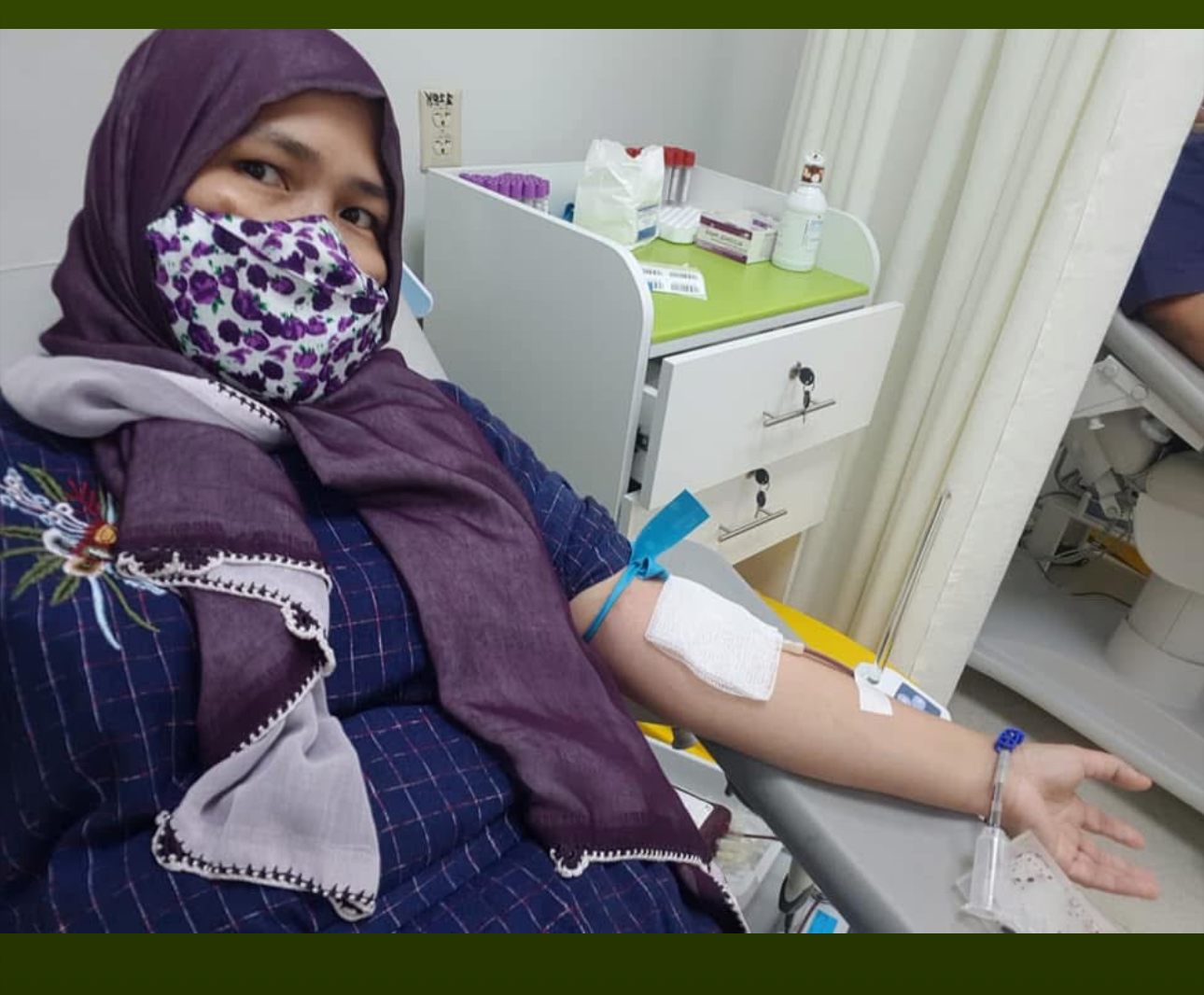
The list of who she has helped runs long and specific: a cousin she put through an AutoCAD program, a former husband’s niece she supported through college and CPA review despite the separation, scholars in her home barangay in Cavite, senior citizens given multivitamins and a glucometer, a newborn who received her donated blood before cardiac surgery. She has kept it up through her own hard seasons — an investment scam, a coffee shop shuttered by the pandemic, a partner now on dialysis three times a week and hospitalized twice in a single stretch this year. The giving did not pause.
Where does it come from? She traces it to her father, the late 2nd Lt. Delfin C. Monterey. “We learned from him how to give and share the blessings without expecting in return,” she says, and she is certain he is watching. Her guiding line, repeated like a creed, explains the rest: “We learned to give not because we have many, but we only know the feeling of having nothing.”
What she would tell the ones just arriving
Ask the veteran of twenty-one years abroad what she would say to a newer OFW, and the advice is unglamorous and hard-won. Focus on the work. Remember why you left. Call your family more, now that video calls make it easy. Keep a hobby to fill the days off. Find a community and serve it. And above all, she says, “save for your future and for your family” — and get health insurance back home.
Her own future is already sketched. She and her partner have started a small coffee-and-restaurant business in their barangay, something to come home to. But retirement, in her telling, does not mean stopping. “I will still continue my advocacy to help others who are less fortunate,” she says.
It is the same sentence she might have written at twenty-two, freshly licensed and certain of her calling. Twenty-one years in a country she was once afraid to enter have not changed the answer. They only proved she meant it.