



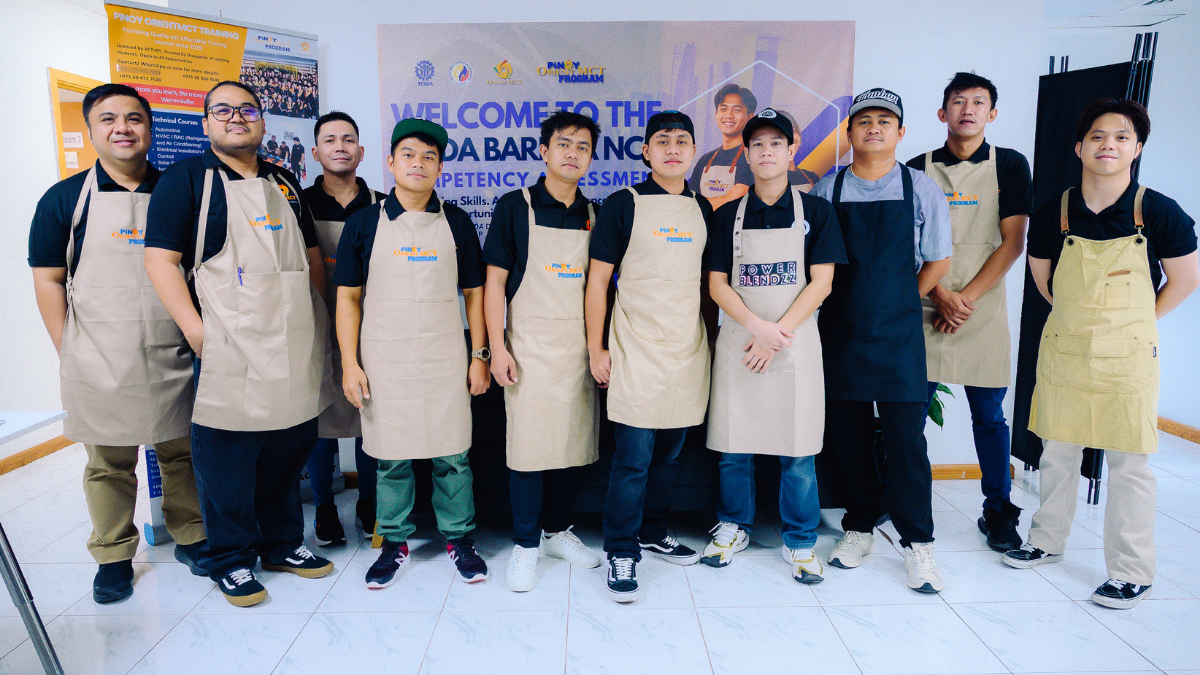

Overseas Filipino workers in the United Arab Emirates no longer need to fly home to earn formal recognition of their barista skills. From August 7 to 9, 2026, the Technical Education and Skills Development Authority (TESDA) held its first-ever Barista NC II Competency Assessment in the UAE, running the three-day evaluation in Abu Dhabi.

Every one of the 34 Filipino candidates who sat for the assessment was declared Competent, giving the inaugural run a perfect 100 percent rating.
The evaluation took place at the POP / Orient Management and Consulting Training (OMCT) Training Center in Abu Dhabi, which served as the official TESDA-designated venue. Overseeing the effort was a TESDA delegation that included Janet M. Abasolo, Executive Director of the TESDA Certification Office, while Maria Arline T. Jabines, POP Pinoy OrientMCT TESDA Consultant, represented the local training partner.
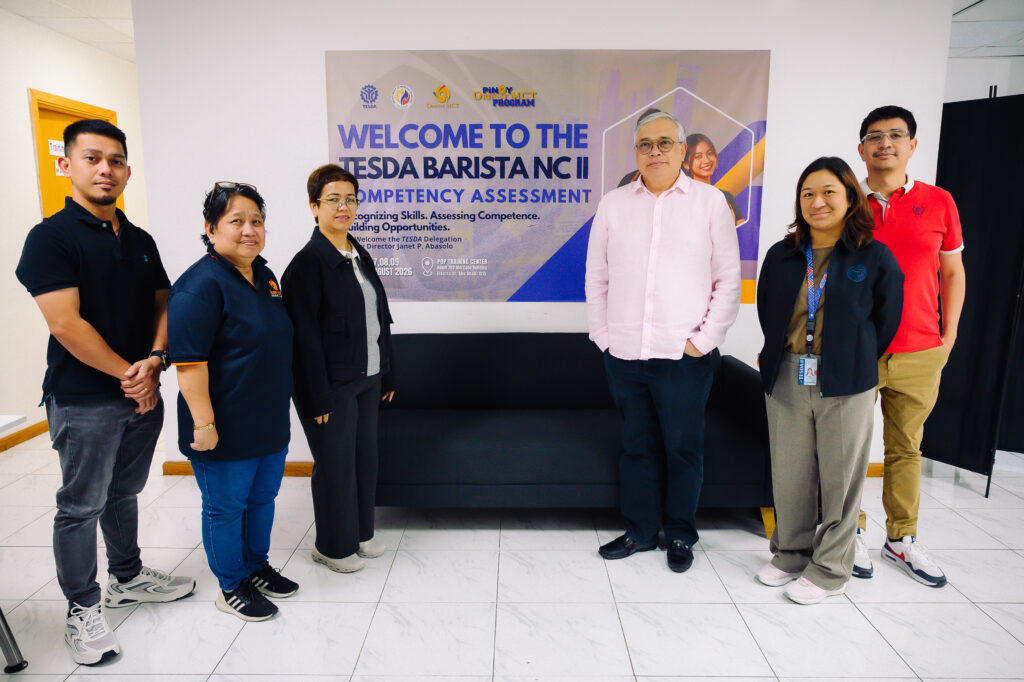
Jabines framed the exercise as a practical breakthrough for the diaspora workforce. “The first TESDA Barista NC II assessment in the UAE is an important milestone for Filipino workers because it brings formal skills recognition closer to where they live and work,” she said. “It gives our OFWs the opportunity to have their actual competencies assessed and recognized without having to return to the Philippines solely for the assessment, while also strengthening their professional credentials for future career and livelihood opportunities.”

The Philippine Embassy in the UAE backed the activity, with Ambassador Alfonso Ferdinand A. Ver taking part. Ver used the occasion to encourage those who passed to aim higher, suggesting they eventually train to become TESDA trainers and competency assessors themselves. Building a local pool of qualified instructors and evaluators, he noted, could make future assessments easier to schedule and available to far more workers across the UAE.
For baristas who honed their craft through both formal training and years behind the counter, the program offers a route to have that experience measured against Philippine national standards. Candidates found Competent who also satisfy TESDA’s remaining requirements can go on to obtain the National Certificate for Barista NC II.
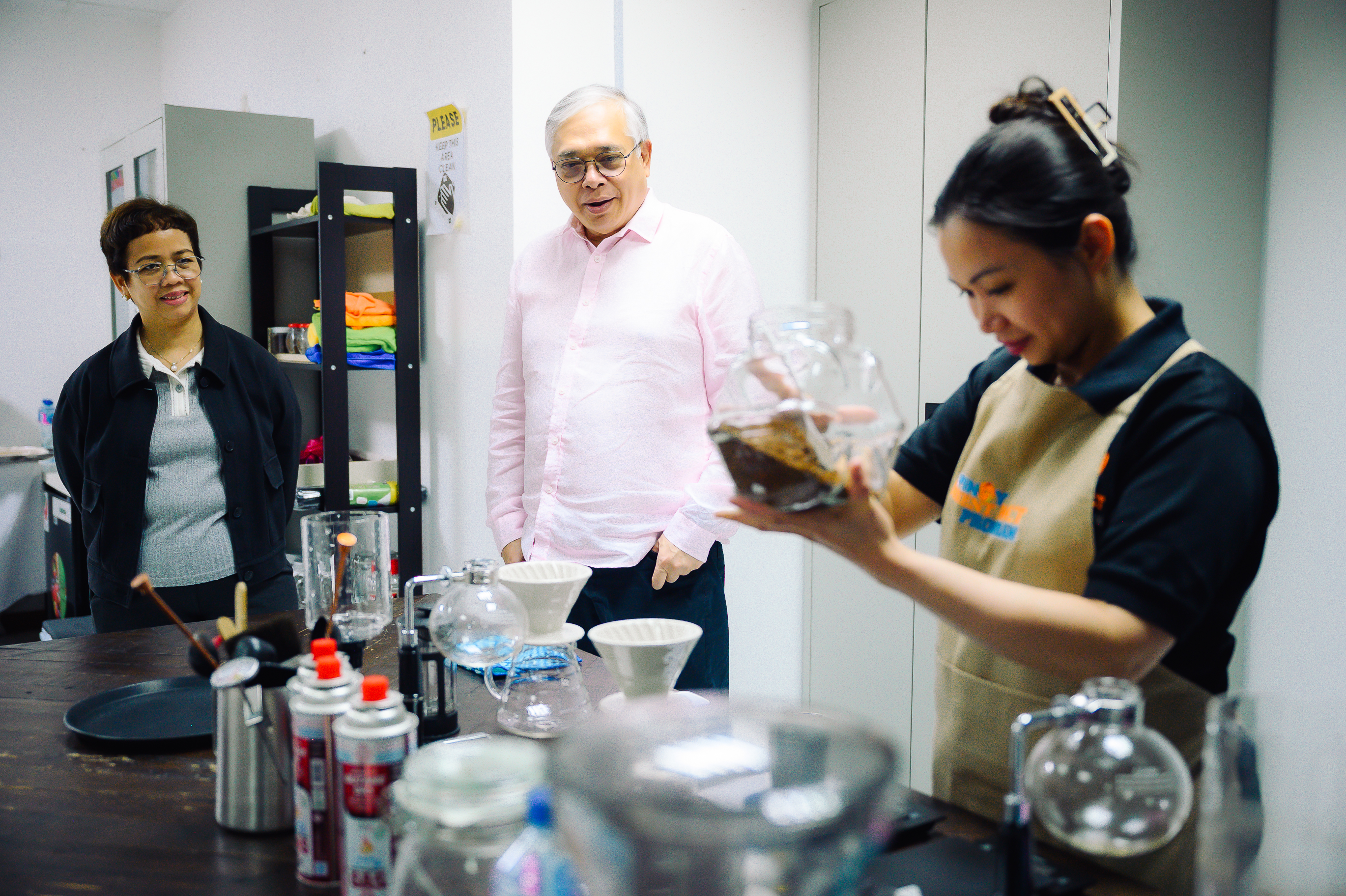
Organizers cast the successful debut as proof of what coordination among Philippine agencies, foreign missions, and training providers can accomplish in widening access to certification abroad. It also fits within a broader push to support Filipino workers through skills development, certification, and reintegration programs — tools meant to bolster their prospects for employment, advancement, entrepreneurship, and life back home whenever they choose to return.
