



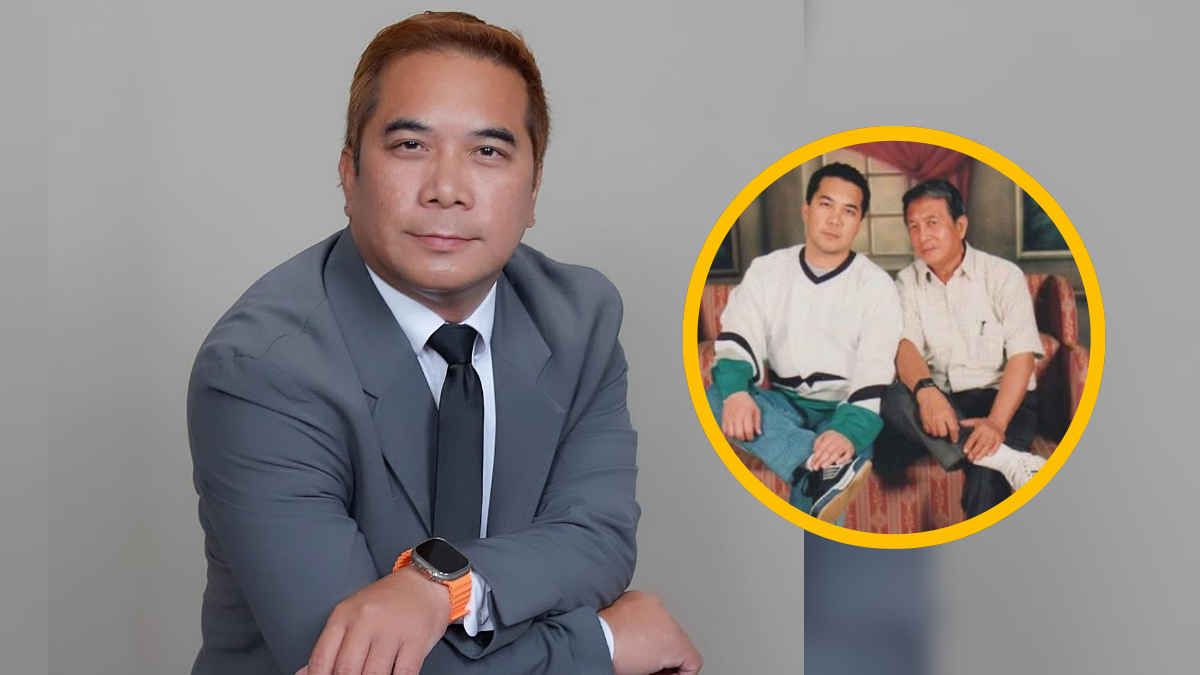

The whistle carried across the dusty street, one sharp note above the noise of jeepneys and shouting children, and every time it sounded the boys stopped whatever they were doing and ran. Basketball games ended mid-play. Games of chase broke off. There was never a second whistle, because there never needed to be.

For Dr. Rogelio “Hajjie” M. Alejandro, Jr., that sound has outlasted almost everything else from his childhood—the neighborhood, the small sign-making shop where his father worked, the decades that carried him across countries and careers. As a boy, he took the whistle for a strict father’s command. Only later did he hear what it actually said: that he belonged somewhere, that someone was waiting, that he should never forget where home was.

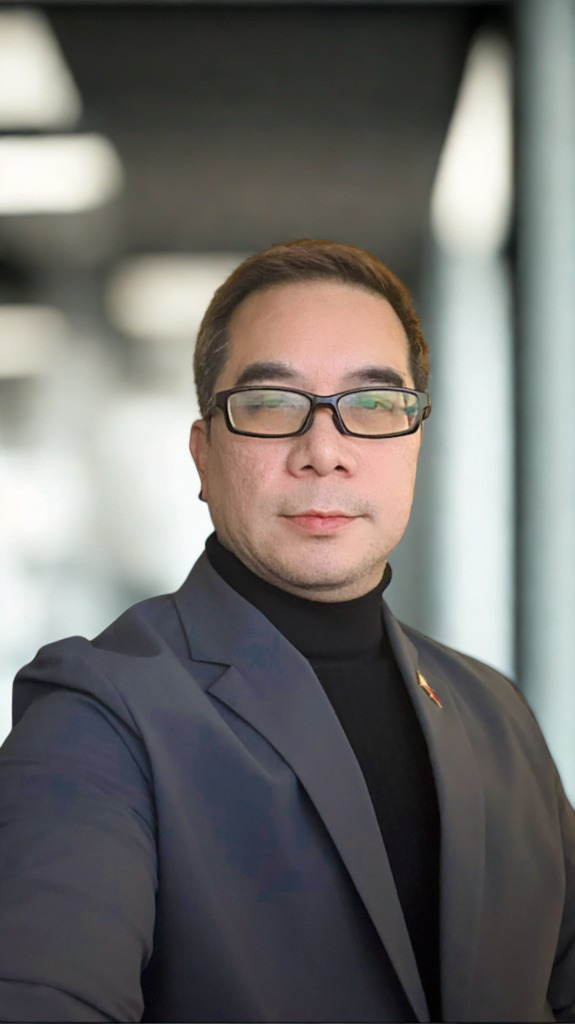
Dr. Hajjie’s first classroom was that sign-making and printing shop, a few steps from his elementary school. It was not a place anyone noticed—no polished offices or modern equipment, just a wooden workbench worn smooth by years of use, shelves crowded with paint cans, brushes, rulers, rolls of vinyl, and half-finished signboards. Paint, thinner, and freshly cut acrylic scented the air while jeepneys rattled past outside, leaving dust on everything. To the neighborhood it was another workshop. To him it was a university.
While his classmates ran toward playgrounds and basketball courts, Dr. Hajjie walked into the shop, where work was always waiting. He swept floors, carried materials, cleaned brushes, and peeled the protective film from acrylic sheets, watching his father measure every line with exacting care. Shortcuts were not tolerated. A slightly crooked letter got corrected; a measurement off by the smallest margin meant starting over without complaint. Quality was not reserved for important jobs—it was the standard for every job.
One lesson arrived without a single word. Dr. Hajjie once returned a ruler to the wrong place, and his father simply picked it up and set it back where it belonged. No lecture, no scolding. That silent correction became one of the longest lessons of his life: that character shows in the smallest habits, that discipline is not a performance for an audience but a matter of how a person cares for ordinary things and finishes what they begin. Some of the finest lessons he ever received, he came to realize, were never delivered in a classroom—they were demonstrated by a man in paint-stained clothes behind a modest bench.
The wages came the same way. At the end of some afternoons, once the tools were cleaned and the floor swept, his father would put a few pesos in his hand—never automatically, never simply because he was a son. He would look the boy in the eye and say three words: “You earned it.” Dr. Hajjie thought he was being paid for his labor. He understands now that he was being taught something larger: that dignity comes through effort, that responsibility comes before reward, and that no honest work is beneath anyone. His father never gave him an allowance. He gave him wages, and a philosophy to live by.
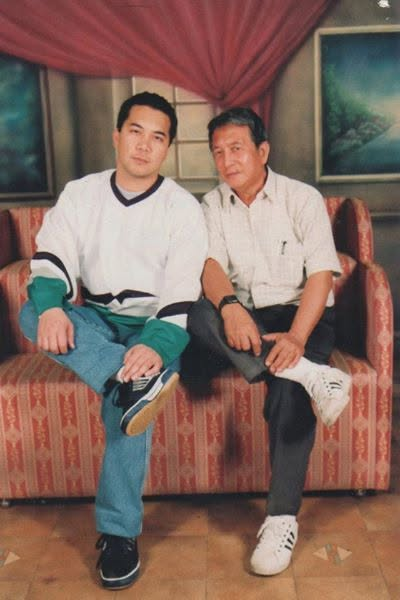
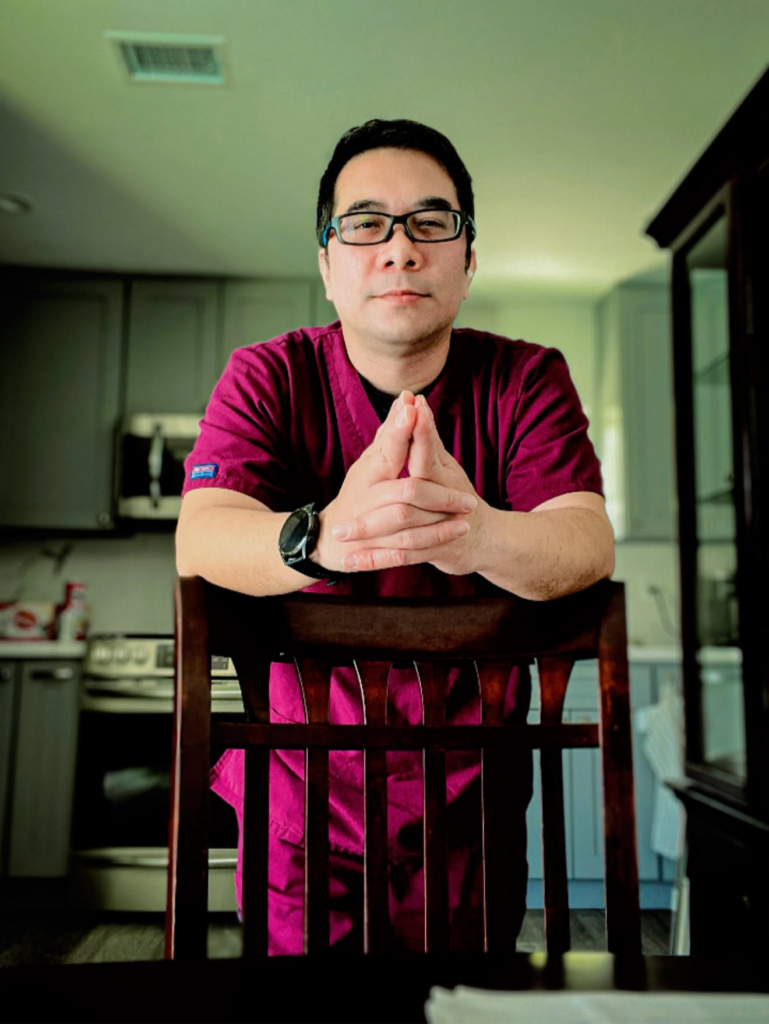
Neither of his parents finished college, yet Dr. Hajjie counts them the greatest teachers he has known. His father taught through work; his mother taught through faith. Like countless Filipino mothers, she stretched every peso and quietly held the family together. The household was not wealthy, but it was rich in the things woven into daily life so naturally the children barely noticed they were being formed—integrity, humility, discipline, faith, perseverance.
In 1990, his father left for Riyadh, Saudi Arabia, to work as an overseas Filipino worker. Something shifted before he went. The naturally quiet man had once enjoyed a few bottles of beer with friends after a long day, the rare occasions he grew talkative. Then, without announcement, the beer disappeared from the home for good. Dr. Hajjie believes his father was being prepared, quietly, for the sacrifices ahead—the kind of transformation that happens not through declarations but through private decisions.

His father lived and worked in Riyadh for nearly two decades. It is easy to write “twenty years,” Dr. Hajjie notes, but families live those years one ordinary day at a time—in birthdays across oceans, Christmases apart, school programs attended by one parent, dinners with an empty chair. Children remember what their parents missed. Adults begin to understand what those parents gave up.
Understanding came fully only when Dr. Hajjie became an overseas Filipino worker himself in Saudi Arabia. Distance taught what childhood could not. Carrying responsibilities no one else could carry, missing milestones, enduring homesickness—he glimpsed the burden his father had shouldered for years. For the first time, he stopped asking what his father had provided and started asking what it had cost him.
The path later led him to Dubai, back to the Philippines, and eventually to the United States. Some chapters brought leadership roles and recognition; others began humbly. One of his first American jobs was in a flower warehouse, lifting heavy buckets through long hours. He never felt shame in honest labor, having been raised by a man who believed work itself carried dignity. Behind a workbench in a small Filipino shop or inside a warehouse an ocean away, the lesson held: arrive on time, work with excellence, leave things better than you found them, and earn every opportunity.
People congratulate Dr. Hajjie for his career, his books, his degrees, the positions he has held. He accepts the compliments gratefully, but he knows they see only the finished product—not the quiet craftsman who measured every line before the first cut, not the father who chose sacrifice over comfort and example over speeches. Every achievement tied to his name, he says, carries his parents’ fingerprints.
His father is eighty-four now, living in the United States with his mother. Dr. Hajjie sometimes watches him in silence. The hands that once measured acrylic with unwavering precision rest gently in his lap. The shoulders that carried the family’s future have softened. Time has quieted the whistle, but never its echo.
For years, Dr. Hajjie believed his father built signboards. He was wrong. Signboards fade, paint peels, businesses close. The greatest thing his father made was never hung above a storefront—it lives in the character of his children. He built integrity before success, discipline before achievement, humility before recognition, faith before certainty. He built lives.
That, perhaps, is why the world rarely notices men like him. They leave no monuments, no headlines, no grand speeches—only themselves, quietly written into the hearts of their children. Their legacy is measured not by what they gathered but by who their children became, the inheritance of countless Filipino fathers whose love came not through eloquent words but through years of faithful labor and quiet sacrifice.
When hard decisions come, Dr. Hajjie still hears the whistle—not with his ears but with his conscience. It tells him to stay humble, keep his word, finish what he starts, honor honest work, and remember where he came from. His father never gave him an allowance. He gave him a way to live. Every blessing, every opportunity, every accomplishment others celebrate traces back to that modest workshop and to one quiet Filipino father who never imagined that his greatest masterpiece would be not a sign above a business, but the character patiently carved into his children.
