



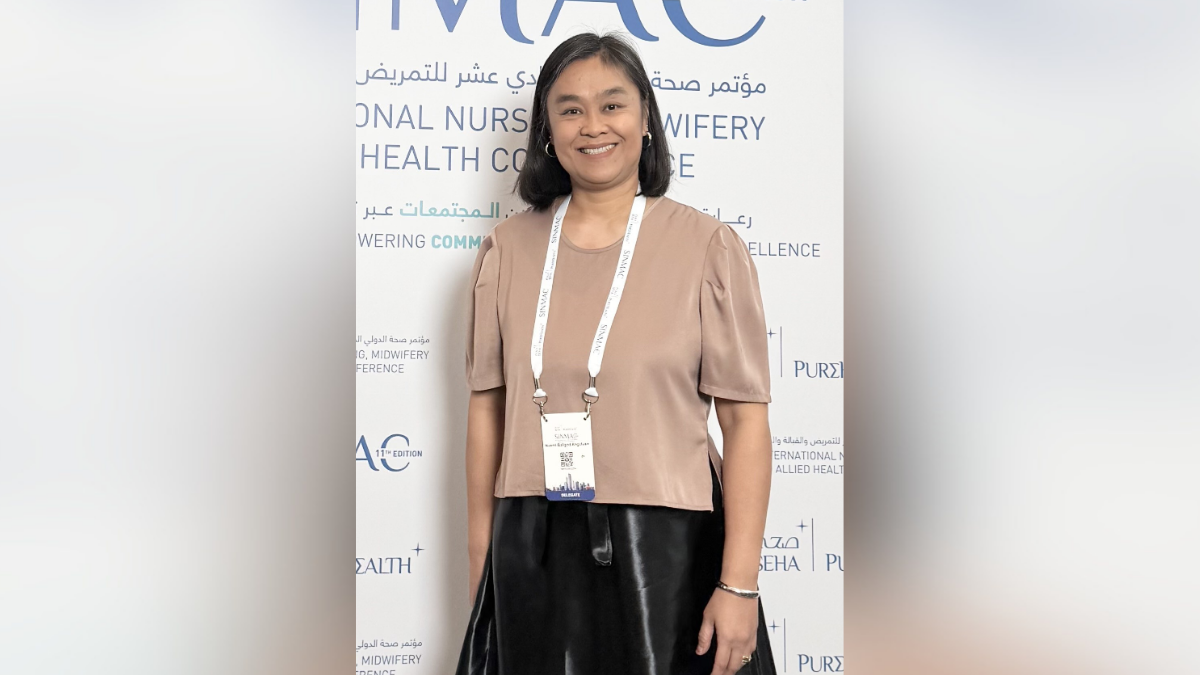

A bowl of lugaw, split between two people, is what a leap of faith sometimes tastes like. Before the awards, the leadership titles, and the oversight of physiotherapy services across six hospitals, there was a young couple in a congested Abu Dhabi flat, scammed out of the jobs they had been promised, surviving on part-time work and prayer. Noemi Baligod Anguluan remembers those days clearly, and she does not romanticize them.

Today, at 47, she is the first Supervisor of Physiotherapy in Al Dhafra Hospitals, overseeing rehabilitation services across Madinat Zayed, Liwa, Marfa, Gayathi, Sila, and Delma hospitals in the Western Region of Abu Dhabi. The distance between that shared bowl of rice porridge and this role is the real story—and it is one she credits to persistence rather than luck.
From Cagayan Valley to the deepest barangays
Noemi’s path into physiotherapy began well before the UAE. After earning her Bachelor of Science in Physical Therapy from Our Lady of Fatima University in 2000, she spent her first two years working at the Stimulation and Therapeutic Activity Center, a facility for children with special needs. The work suited her. She built individualized therapy programs, worked closely with families, and, in her words, consistently excelled in “patient engagement, treatment planning, and delivering compassionate care.”
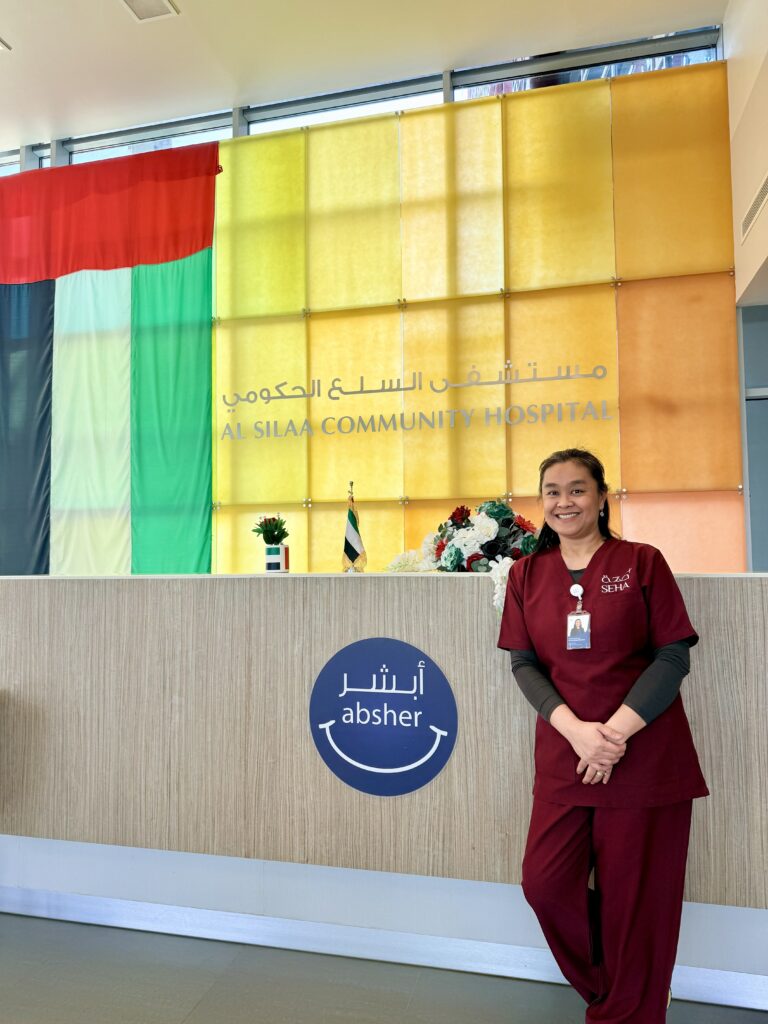
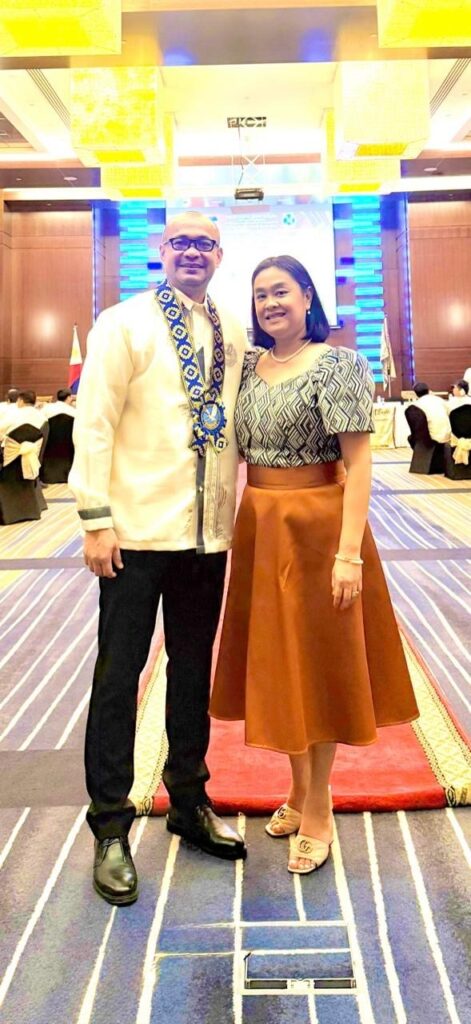
But it was the outreach that shaped her most. Part of her early career involved traveling to indigenous patients in remote barangays across her home region of Cagayan Valley—reaching, as she puts it, “the deepest and most underserved areas to ensure that vulnerable individuals received proper rehabilitation support.”
“This work taught me resilience, cultural sensitivity, and the importance of bringing healthcare to communities that need it most,” the physiotherapist shares with TGFM. Those lessons would prove useful sooner than she expected.
The version of migration nobody advertises
In 2006, Noemi and her husband decided to try their luck abroad. What followed was not the clean success story often shown on social media.
“My husband and I had very limited finances during our application process—there were days when we shared one bowl of ‘lugaw’ because we couldn’t afford more,” she says. Then came the worst part. They were scammed. When they arrived in the UAE, the jobs they had been promised simply did not exist.
They stayed in cramped accommodation and pieced together a living through part-time work while hunting for something stable. At one point, the couple even had to exit to Kish, Iran, to renew their visit visas—a common but stressful workaround for migrants caught between jobs and expiring paperwork. For three months, they held on.
Then Madinat Zayed Hospital called her in for an interview. Her husband later found work at a special needs center. Both took their licensure exams. Both passed.
“Throughout these struggles, we relied on each other, on supportive friends, on our prayers, and on the encouragement of our family back home,” Noemi says. “Their support—and our determination—helped us overcome every obstacle.”

Building a career, one hospital at a time
The Physiotherapist who was hired at Madinat Zayed Hospital in 2006 did not stay in place. Over the next two decades, she moved steadily into supervisory and leadership roles, eventually becoming Rehabilitation Department Lead and a clinical educator, and taking seats on committees ranging from the SEHA Physiotherapy Rehabilitation Advisory Group to the Inter-User Committee for the Malaffi and Salamtak health platforms.
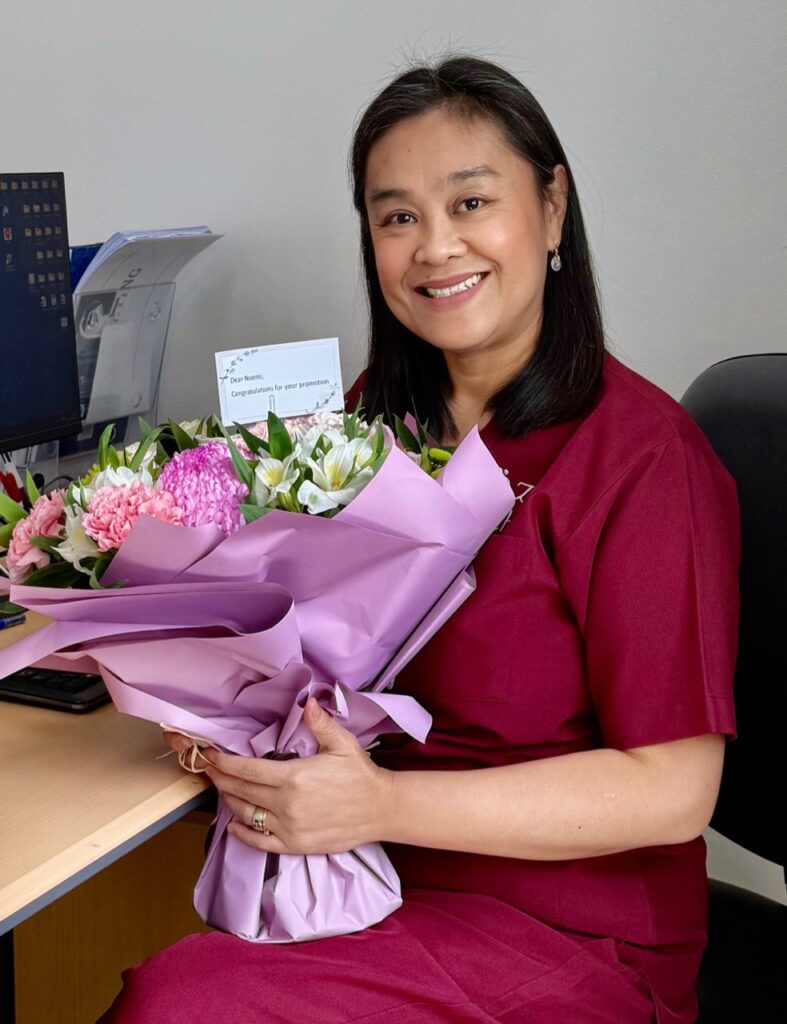
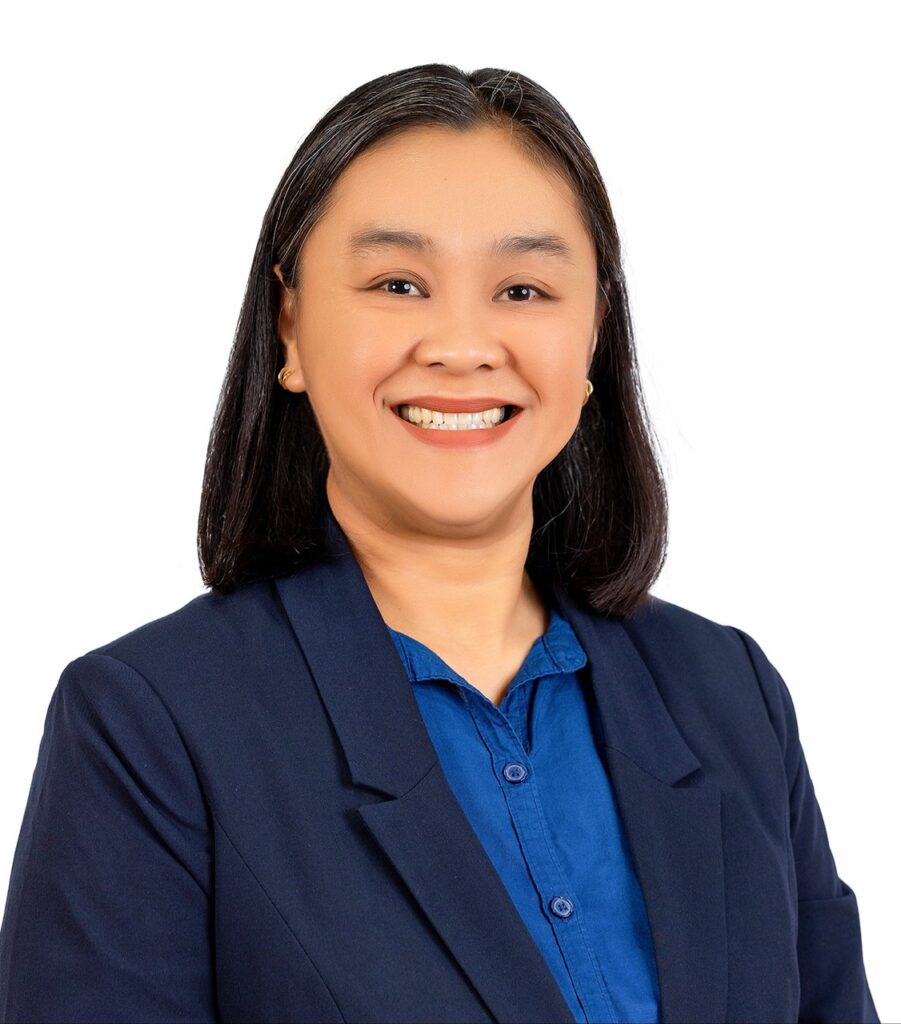
The recognition accumulated along the way: an Allied Health Excellence Award, an Al Dhafra Hospitals Award for Excellence, a SEHA IHSAN team award for rehabilitation services, and distinguished employee honors across multiple quarters. She has, through hospital sponsorship, kept adding to her training in both clinical and administrative fields, and earned a Professional Diploma in Health Administration from Notting Hill College.
Yet when asked about the highlight of her career, she does not lead with the trophies. “The highlight of my career to date is being entrusted with leadership roles that allow me to contribute to patient care, support my colleagues, and help strengthen rehabilitation services across Al Dhafra,” she says.
What keeps her in the field is more elemental. “The most satisfying part of my work is witnessing real progress—when patients achieve milestones that improve their daily lives, it gives me a strong sense of purpose and fulfillment,” the supervisor explains. She chose physiotherapy, she adds, because she is “passionate about rehabilitation and supporting people through their recovery.”
The advocacy that hits closest to home
There is one dimension of Noemi’s life that reframes everything else she does. She is the parent of a child with Autism Spectrum Disorder, and that reality has quietly informed the way she leads.
“This has strengthened my empathy, patience, and dedication to advocating for individuals with special needs,” she says. Her contributions to SEHA’s Mas’ool initiative for People With Determination are not abstract institutional work; they are personal. When she talks about her plans after her time abroad ends, the same thread runs through them.
“After completing my work abroad, I hope to live a simple and meaningful life while continuing to support and advocate for people with special needs,” she says. “As a parent of a child with Autism Spectrum Disorder, this advocacy is deeply personal to me.” She wants to bring the skills she has gained overseas back to her community, and to mentor young professionals entering the field.
For Filipinos still finding their footing abroad, her advice is shaped by everything she survived to get here. “Manage your money responsibly, avoid scams, and be cautious with offers that seem too easy,” she cautions. “Work hard, stay focused, and remember your purpose for going abroad.”
Then, the line that sounds like it comes straight from the woman who once shared a single bowl of lugaw and still made it to the top of her field: “Stay humble and keep your feet on the ground always.”
Twenty years on, she has clearly taken her own advice.
