



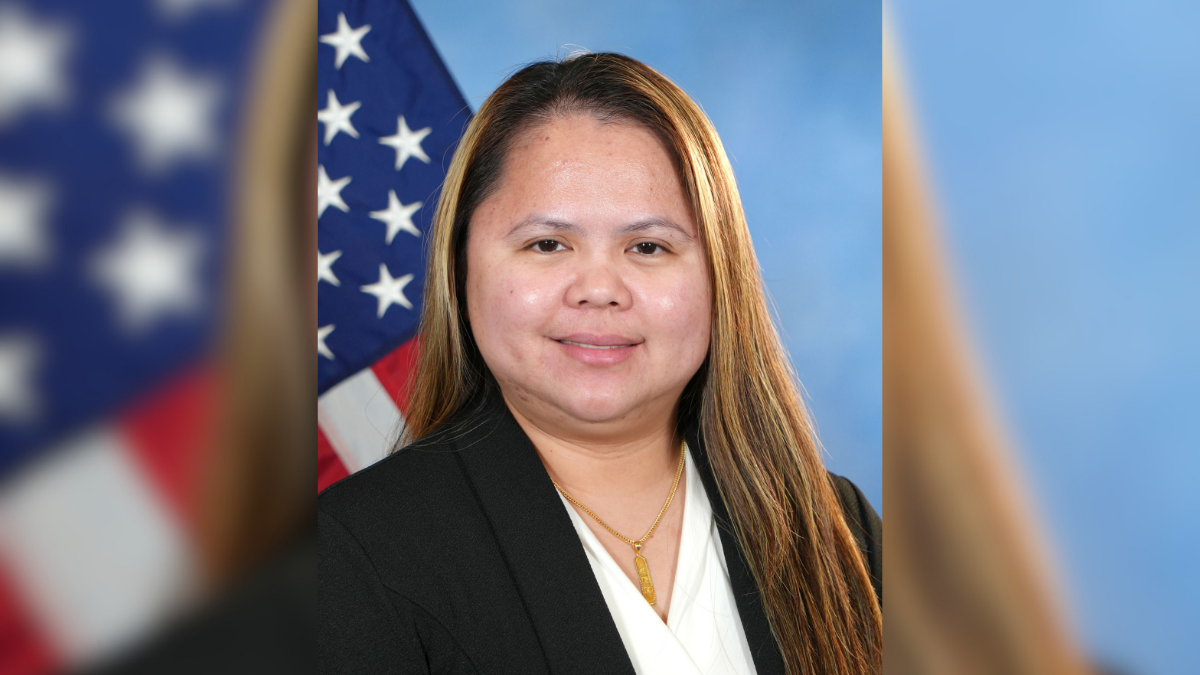

Kidney failure does not announce itself with drama. It arrives quietly, a slow tightening that turns an ordinary life into a schedule of three-times-a-week appointments where a machine does the work the body no longer can. The people who sit in those chairs are not looking for miracles. They are looking for someone who will show up, who will notice when something is wrong, who will treat the hours as more than a medical transaction. In a dialysis unit in Missouri, that someone is Jennybhel Jimenez Jasmin, a Filipina nurse who has spent sixteen years learning that the smallest gestures often carry the heaviest weight.

She cares for American military veterans now, patients who gave years to their country and now depend on hemodialysis and peritoneal dialysis to keep living. It is work she describes as a privilege, though the word undersells the distance she traveled to earn it. Riyadh. Muscat. Illinois. And finally a quiet corner of the American Midwest where the girl who once volunteered without pay in a rural Philippine province became a specialist trusted with life-sustaining care.
The province where it started
Long before the international postings and the professional awards, there was Nueva Vizcaya, the mountainous province in northern Luzon where the future dialysis nurse first put on a uniform. She did not begin with a salary. She began with a belief.
Before she ever worked abroad, she volunteered as a nurse in her home province, bringing basic healthcare to communities that had little access to it. It was unpaid, and she took it anyway. Her husband, who provided the answers that shape this profile, frames the decision plainly: “she embraced it wholeheartedly because she believed that nursing is a calling to serve, regardless of financial reward.” That period, brief as it was, did something a paycheck could not. It hardened her clinical instincts and, more importantly, settled the question of why she had chosen the work at all.
The answer to that question would follow her across three countries and never once change.
Riyadh, Muscat, and the long apprenticeship
In September 2010, she left. The first stop was Riyadh, where she took a position as an OPD nurse at a medical clinic, rotating through pediatric, medical, and OB/GYN departments. It was the classic opening chapter of an overseas Filipino nursing career: unfamiliar systems, a demanding pace, and the constant, low hum of homesickness underneath it all.
She stayed and she climbed. By March 2013 she had moved to Muscat, Oman, where her responsibilities widened considerably. At a polyclinic there she worked as a hemodialysis nurse, an OPD in-charge nurse, and a post-operative recovery nurse, before joining a private hospital as a medical-surgical registered nurse. Oman is where the specialty that now defines her first took hold. The dialysis chair, the rhythm of pre-treatment checks and mid-session monitoring and careful post-treatment handoffs, became the terrain she knew best.
The decision to leave the Philippines in the first place was not complicated, and the nurse’s husband does not dress it up. Like countless overseas Filipino workers before her, “she made the difficult decision to leave her loved ones behind, knowing that the sacrifices would create greater opportunities for those she cared about.” What began as an act of provision, though, slowly became something larger. The years abroad turned into a professional education no classroom could have offered, one built out of diverse patients, unfamiliar healthcare cultures, and the daily discipline of proving herself in rooms where she was often the newcomer.
There is a version of this story where the nurse from Nueva Vizcaya spends a career in the Gulf and returns home. That is not what happened.
America, and a life she did not plan for
In 2019 she brought her expertise to the United States, starting as a PRN hemodialysis nurse with DaVita Dialysis in Illinois, a role she held until 2023. The move was a professional leap, another healthcare system to master, another set of standards to meet. What she could not have anticipated was that the country would give her far more than a job.

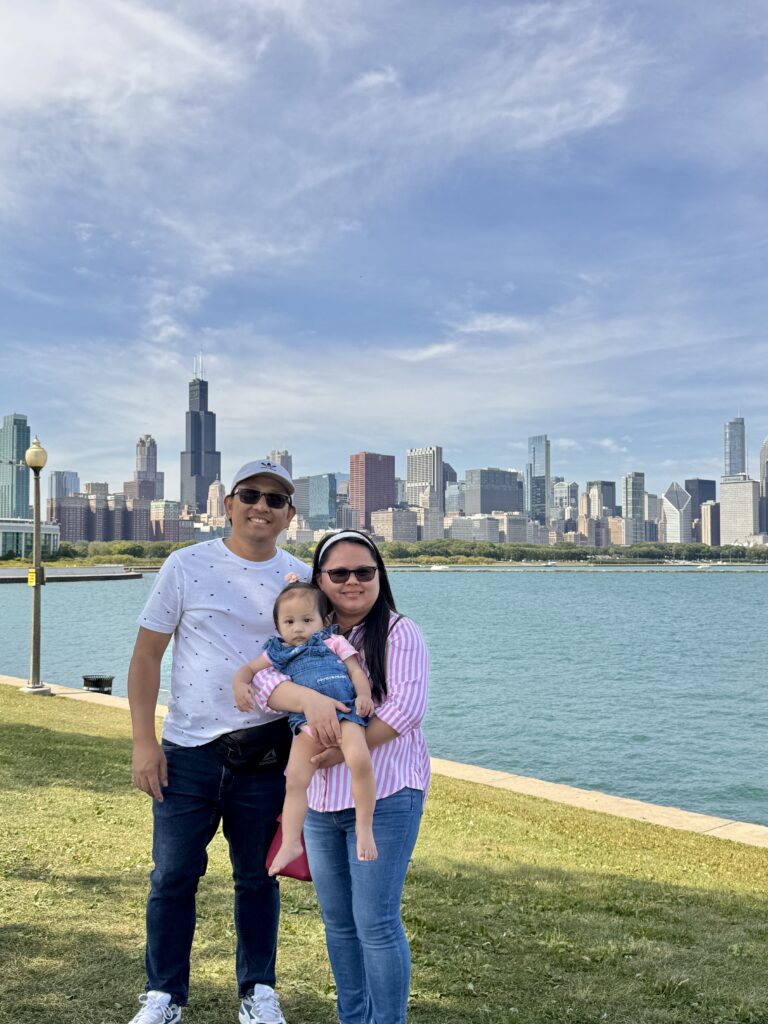
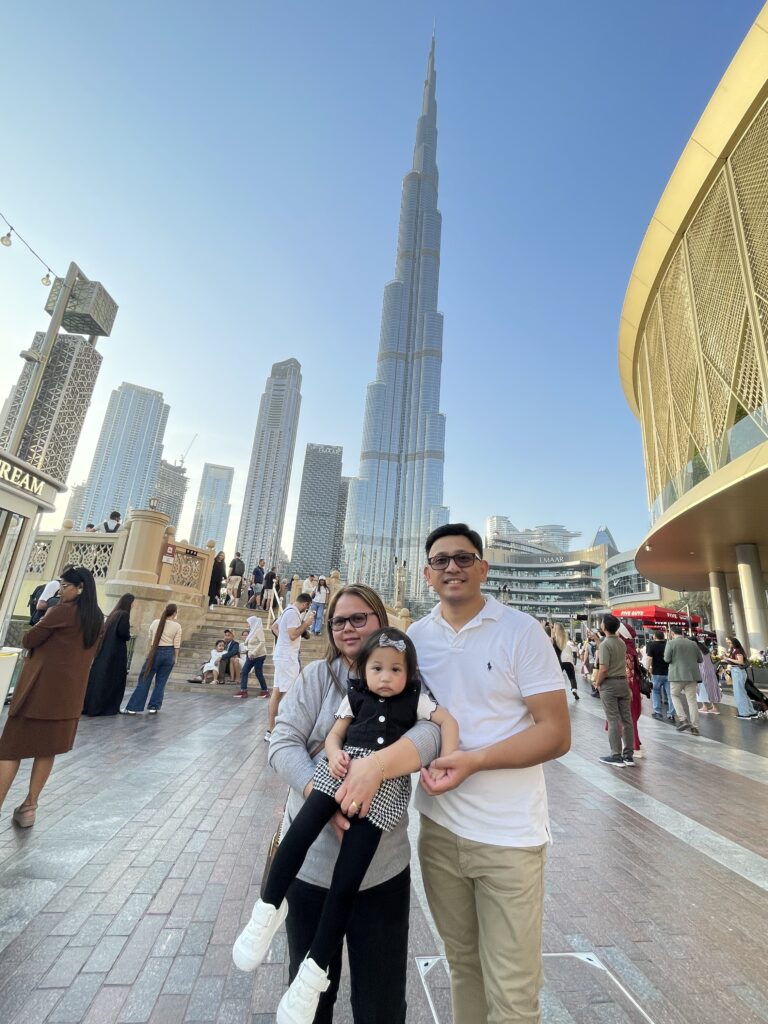
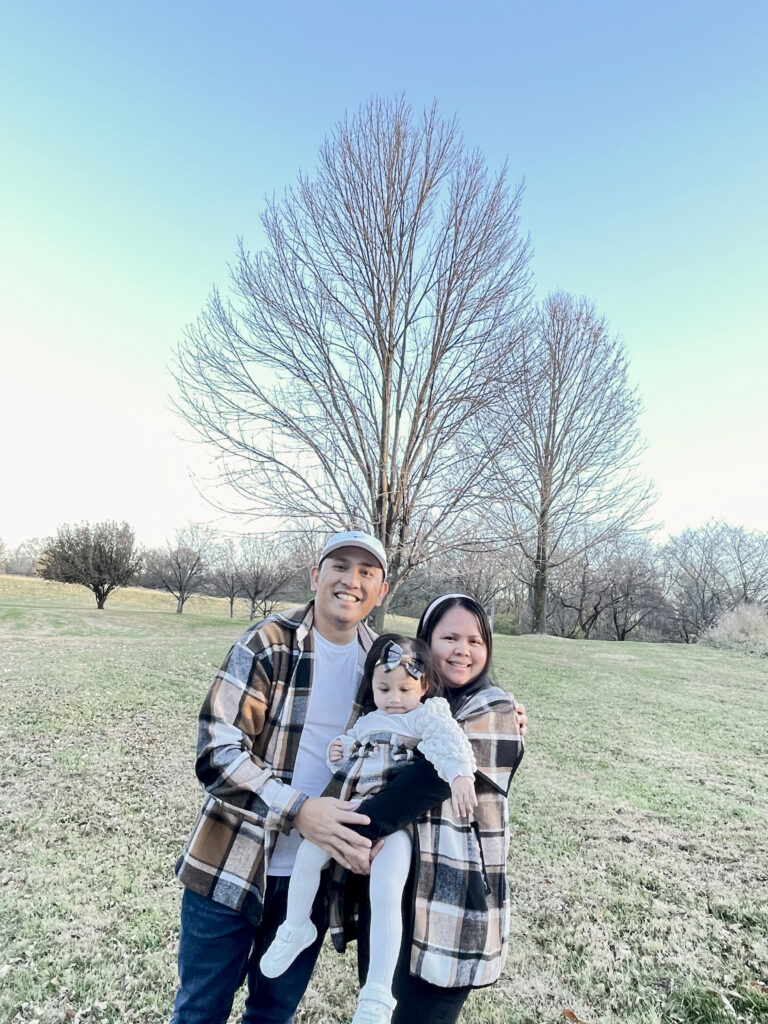
It gave her a family. While she was building her nursing career in America, she met the man who would become her husband, and they married in the United States. He is an educator, and the two of them assembled a life around the twin poles of service and family. “Together we have been able to build a life centered on service, family, and dedication to our professions,” he says. The career move that had started as a way to support relatives back home had quietly become the doorway to an entirely new chapter of her personal life.
Then came the role that she now considers the summit of her professional journey: caring for U.S. veterans through Fresenius Medical Care, the company that partners with the Department of Veterans Affairs to deliver dialysis to tens of thousands of former service members. For a nurse who had spent her career treating strangers in foreign countries, there was something resonant about tending to people defined by their own sacrifice.
“She does more than provide treatments,” her husband says of the work. “She offers hope, comfort, encouragement, and compassionate care to people who rely on dialysis to live.” The awards that have accumulated over the years, the recognitions for patient care and leadership, matter to the family. But he is insistent that they are not the real measure. Her greatest accomplishment, in his telling, “is not just the awards she has received, but the countless lives she has touched through her kindness, skill, and selfless service.”
What keeps her at the chair
Ask what she values most about the job, and the answer has nothing to do with prestige. The Filipina nurse finds her satisfaction in the arc she gets to witness — a patient who arrives depleted and, over weeks and months, regains enough strength to keep enjoying life with family despite a chronic illness that never fully lets go. Those improvements, small and cumulative, are the reason she keeps coming back.
The gratitude of her patients functions as a kind of fuel. Their smiles and their thanks, her husband explains, remind her why she chose this path in the first place — the same conviction that sent her, unpaid, into the barangays of Nueva Vizcaya more than sixteen years ago. The setting has changed almost beyond recognition. The animating belief has not.
That belief was tested plenty. The nurse’s road abroad carried the full weight of the OFW experience: separation from family, cultural adjustment, the pressure of establishing herself in system after unfamiliar system. Each move demanded a fresh round of courage. She managed it, her husband recalls, by keeping a steady mindset, sharpening her skills, respecting the cultures she found herself inside, and holding onto her sense of purpose. Her support system, in the hardest stretches, was family — their encouragement and their prayers — and later, the partnership she built in America, where she and her husband became each other’s motivation.
The next chapter, still being written
The nurse from Nueva Vizcaya is not thinking about the finish line so much as what she wants to leave behind. Her longer-term hope is to pass on what she has learned to the next generation of Filipino nurses, to mentor the ones who dream of building careers at home or overseas, and to keep advocating for compassionate care and for patients living with chronic kidney disease.
Her advice to fellow Filipinos abroad is grounded in her own hard-earned experience rather than in slogans. Hold onto your purpose. Be responsible with money — work hard, save wisely, invest in your own continued learning. Choose the people around you carefully, staying kind but staying wise. And never lose the family, the roots, and the values that shaped you in the first place. “Success abroad is not only about financial achievement,” her husband says, distilling her philosophy. “It is also about the lives we touch, the lessons we learn, and the legacy we build through hard work and service.”
The family’s own story keeps expanding. Their first child was born in August 2024, a milestone that gave new meaning to years of sacrifice, and a second child is expected in early 2027. Her husband, meanwhile, is preparing to begin U.S. Army training, adding another layer of service to a household already organized around it.
It would have been difficult, back in that Philippine province in the years before 2010, to picture where the road would lead — a specialist in one of nursing’s most demanding fields, caring for the veterans of a country she now calls home, raising a family in the American Midwest. But the thread running through all of it was there from the very first unpaid shift. She started her nursing life believing it was a calling to serve, regardless of reward. Sixteen years and three countries later, she is still proving herself right.
