



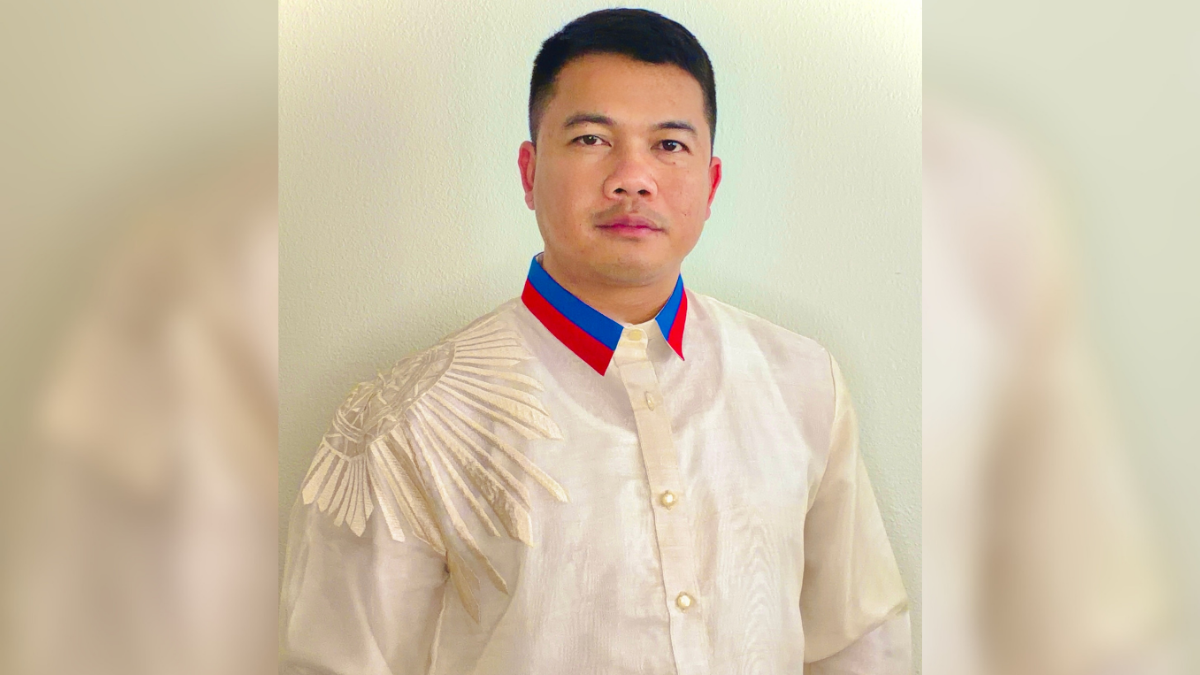

A grant proposal is an odd thing to call the highlight of a teaching career. Most people picture the classroom moments — a struggling reader finally clicking, a shy kid raising a hand. But for a Filipino educator working on the Tohono O’odham Nation in southern Arizona, the milestone that lingers is a document: roughly US$399,600 in federal funding he wrote into existence, which then became five years of after-school and summer programs for hundreds of children who had few other options.

Cerelo Villagracia Flores, PhD, has spent more than twelve years in education, first in the public schools of Bago City, Negros Occidental, and later across an ocean as a 4th-grade teacher, grade-level team leader, and site coordinator of the 21st Century Community Learning Centers program at Indian Oasis Intermediate Elementary School under Baboquivari Unified School District #40. The titles are long. The way he describes himself is not. “I simply see myself as a teacher who believes that education remains the greatest investment we can make in changing lives,” he shares with TGFM.
The math of leaving
Cerelo left the Philippines in 2021 for the same reason so many do — the arithmetic of an OFW’s life, where staying and earning enough rarely fit in the same equation. He arrived through the J-1 Teacher Exchange Program, expecting the work to be about financial stability. What he found reshaped the plan.
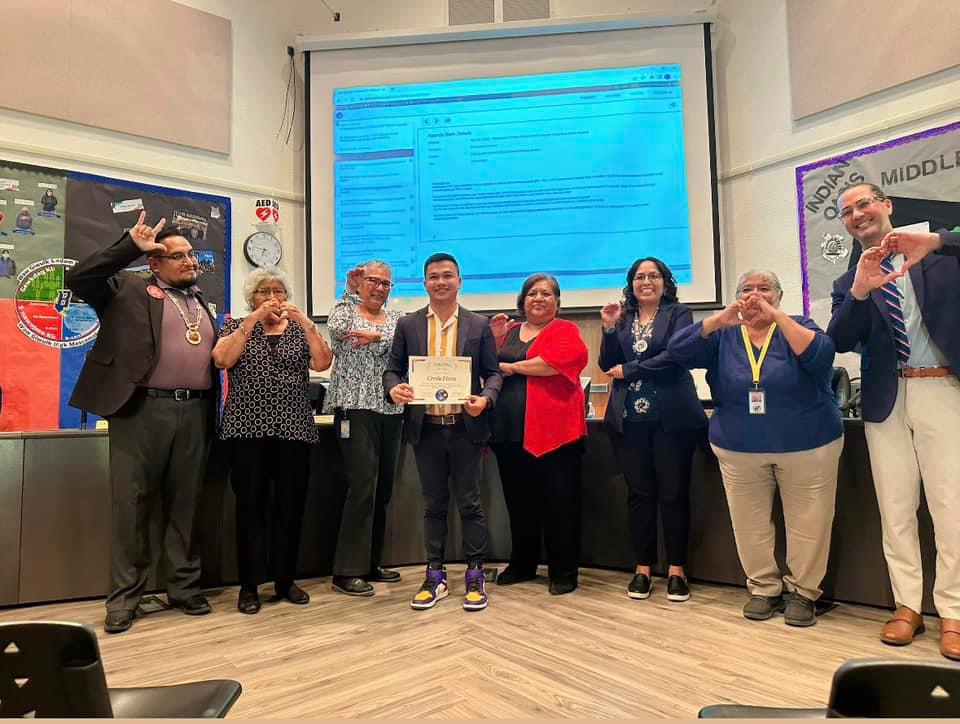
Teaching on a reservation meant a different educational system, students from the Tohono O’odham Nation, and colleagues from backgrounds unlike any he’d worked with before. He describes the shift plainly: “Every classroom became a place of learning—not only for my students, but also for me.” The leadership roles stacked up faster than he’d imagined — 301 lead, mentor to University of Arizona student teachers, cooperative culture team chairperson, new-teacher-induction presenter. None of it was in the original brochure.
His career had started far more modestly. As an elementary teacher at Don Salvador Benedicto Memorial School, he’d served as Teachers’ League President and thrown himself into community work. The instinct to lead, it turns out, traveled with him.
What a teacher’s influence actually reaches
The grant is where his sense of purpose sharpens into something measurable. Writing a proposal that secured nearly US$400,000 taught the former public school teacher something about scale — that the effect of a good teacher doesn’t stop at the classroom door. “Watching that proposal transform into opportunities for hundreds of children reminded me that a teacher’s influence extends far beyond the four walls of a classroom,” he shares..

He talks about leadership the way other people talk about generosity. “Leadership is not about holding a title—it is about creating opportunities for others to succeed,” he says, and the pattern in his work bears it out: mentoring teachers, coordinating programs, judging competitions, sharing strategies in professional development sessions. The satisfaction he describes isn’t in being recognized but in watching other people rise.
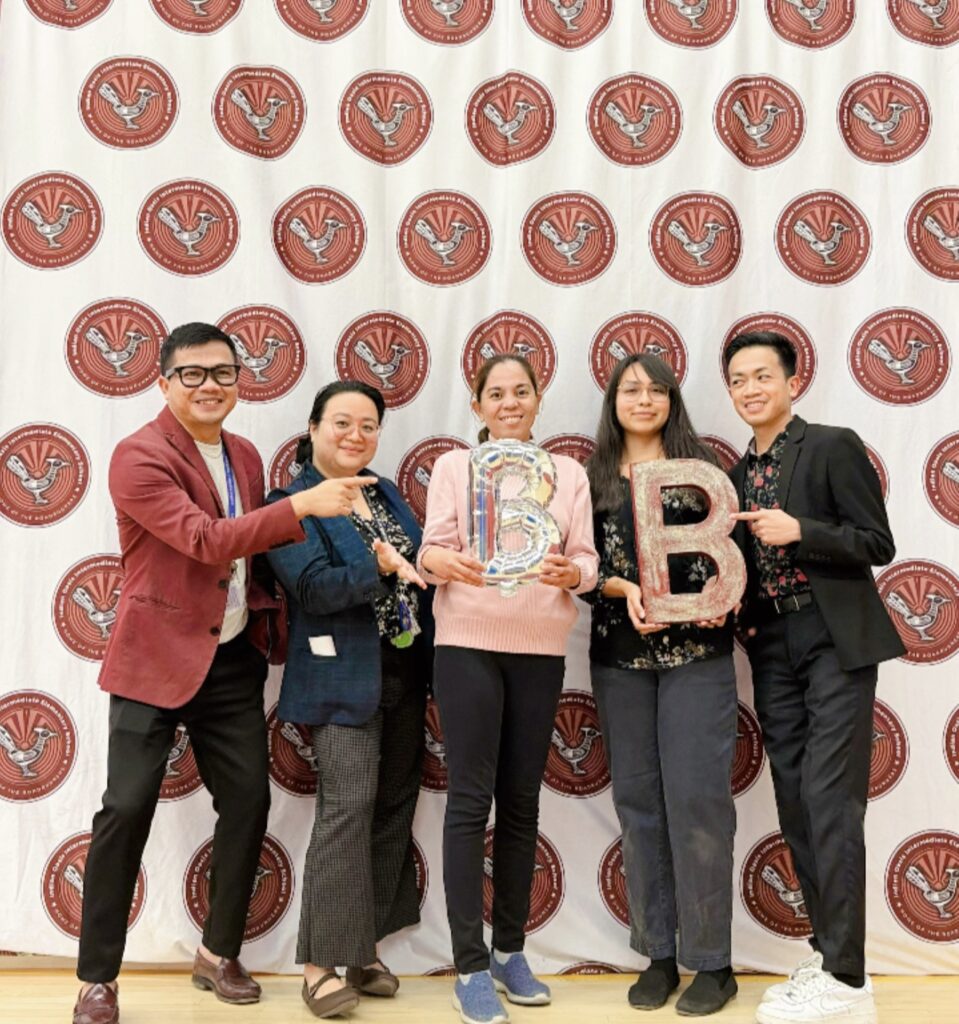
There were results attached to all of it. During his time at the school, it climbed from an “F” rating to a “B” under Arizona’s accountability system, and his grade level earned Proficiency Recognition two years running. He is careful to spread the credit. “These accomplishments are not mine alone,” he says.
The cost nobody prints on the diploma
None of this came without a bill. Cerelo missed the birthdays, holidays, and graduations that every OFW learns to grieve from a distance. He had to earn the trust of colleagues in an unfamiliar system and prove, again and again, that he belonged there. There were stretches of homesickness and self-doubt, seasons he got through on faith, family, and the encouragement of mentors.
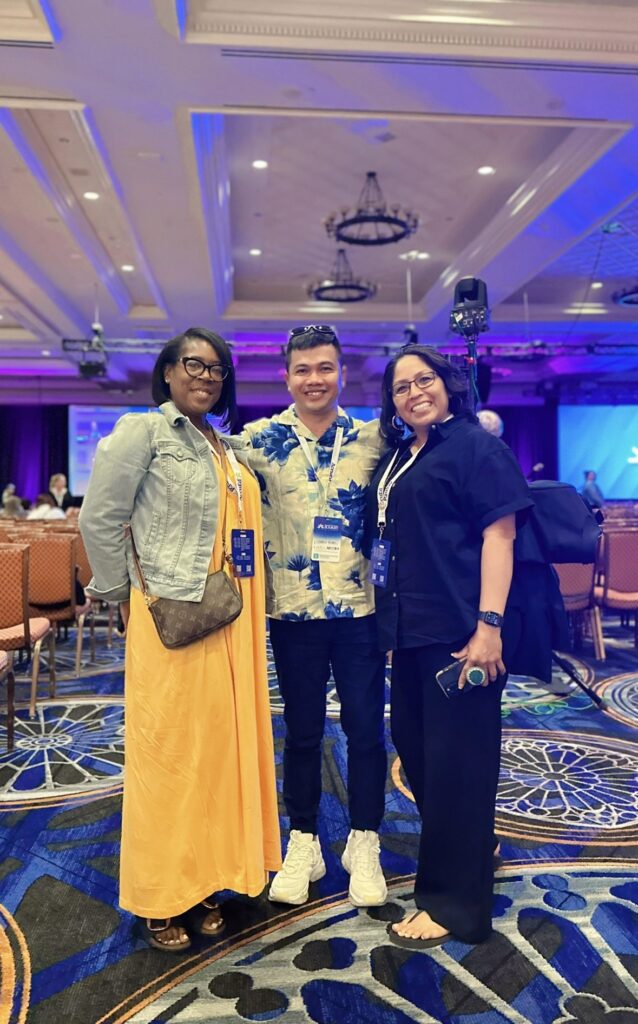
He is unusually direct about where he came from, and why it matters. A proud product of Philippine public schools, he was a PNOC-EDC scholar in high school, earned his bachelor’s degree from Bago City College, completed a master’s in educational leadership at the University of St. La Salle as a Paglaum Provincial Scholar, and finished his PhD at La Carlota City College. It is not the pedigree people expect behind an Arizona Teacher of the Year nomination or two HIMDAG Teacher Awards, and that is precisely his point.
“I may have graduated from a city college, but I refused to let that define the size of my dreams,” he says. He returns to the idea like a refrain: a diploma opens a door, but perseverance decides how far you walk through it. For every scholarship student who has ever wondered whether they belonged in the room, he offers himself as the counterargument.
Ask him about the future and he doesn’t talk about staying abroad. The Filipino educator wants to come home — to teach in colleges of education, run grant-writing and leadership workshops, and hand the next generation of Filipino teachers the strategies that worked in two very different school systems. “Success is not measured by how long I stay abroad but by how much knowledge, hope, and inspiration I can eventually bring back home,” he says.
He carries the flag wherever the work takes him, and he keeps circling back to one conviction, worn smooth from use: talent can be found anywhere, leadership can grow anywhere, dreams can begin anywhere. The man who wrote a small fortune into a reservation school’s future would know. He started with less than most and refused to let it shrink the size of what he was reaching for.
