



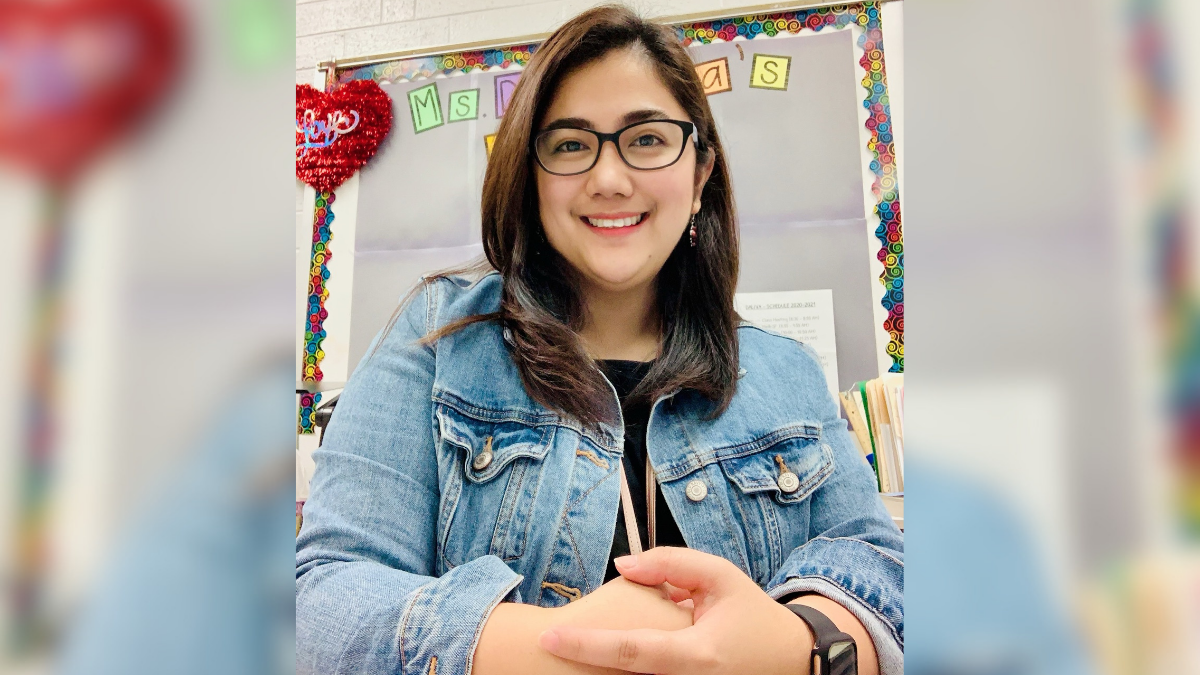

Every special education teacher learns early that progress rarely announces itself. It arrives quietly—in a child who finally makes eye contact, a student who reads a sentence aloud without flinching, a learner who asks for help instead of shutting down. Dr. Trisha Marie D. Vicente has built a fifteen-year career on those small, easily missed victories, and she has chased them across two countries and back again.

Dr. Trisha is a Filipino special education teacher with the Colleton County School District in South Carolina, where she manages student caseloads, writes and implements Individualized Education Programs, and supports learners navigating academic, behavioral, and social-emotional challenges. She began teaching in the Philippines in 2011. She first went abroad in 2018. And in a turn that says a great deal about the impression she left, the same American district that once hired her as a temporary exchange teacher would later bring her back—this time sponsoring her work visa outright.
The classroom that chose her back
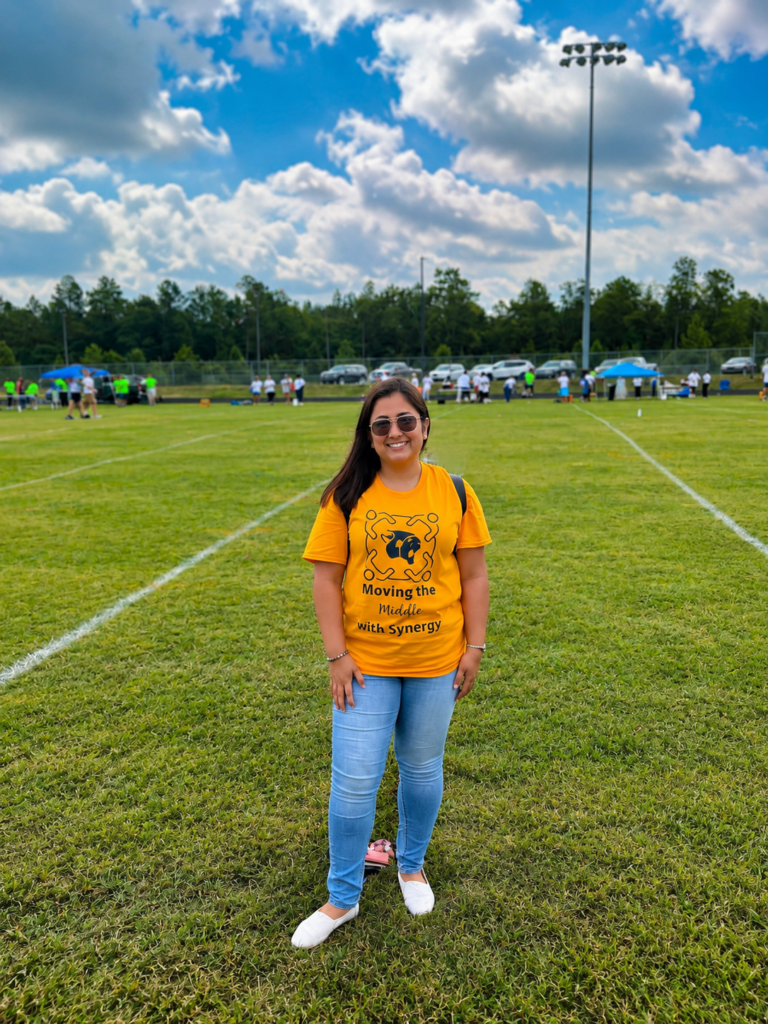
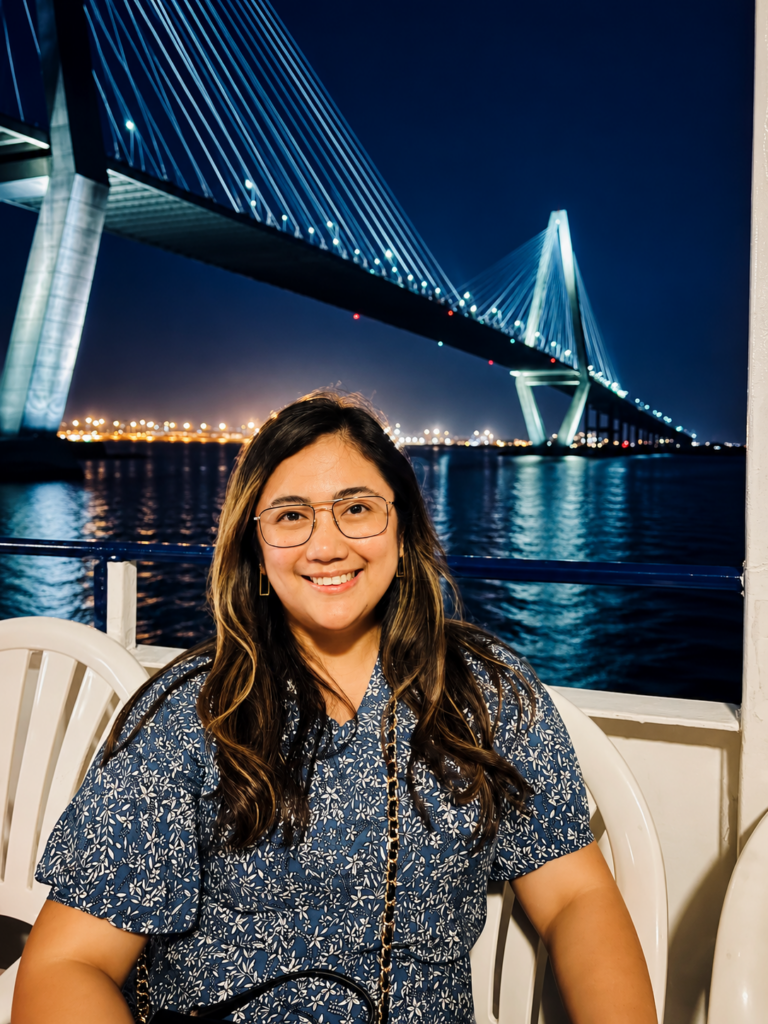
Dr. Trisha’s path abroad started in 2018 as a J-1 special education teacher in South Carolina, her first job overseas. For five years she worked with students across a wide spectrum of disabilities—developing IEPs, delivering specialized instruction, coordinating with multidisciplinary teams, and building positive behavior supports. Along the way she took on more than her own caseload, mentoring colleagues and eventually serving as Special Education Department Chair.
Then, in 2023, she went home to the Philippines.
It could have ended there—a solid overseas chapter, closed. Instead, in 2025 the district reached back across the Pacific and asked her to return, sponsoring her visa to make it happen. For the former exchange teacher, the invitation carried a weight that no plaque could. “A milestone that reflected the trust and confidence they had in my work,” is how she describes it, and the phrasing is telling: what moved her wasn’t the job offer but what the offer confirmed.
Ask her to name the highlight of her career and she doesn’t reach for the department chair title, though she’s proud of the mentoring it allowed. She reaches for something harder to frame on a wall. “More than any title or recognition, my greatest achievement is seeing my students grow in confidence and independence,” she shares with TGFM. It’s a preference that runs through everything she talks about—the instinct to measure her work by the child in front of her rather than the line on her résumé.
Why she does the hardest version of the job
Special education is not the field people drift into. It is documentation-heavy, emotionally demanding, and often invisible when it goes well. Dr. Trisha chose it on purpose, and she is unusually clear about the conviction underneath that choice.
“I chose Special Education because I believe that every child deserves someone who believes in them, advocates for them, and never gives up on them, regardless of the challenges they face,” she says. The Filipina educator is drawn to the moments other people might overlook—a student mastering a new skill, expressing a need more clearly, moving one step closer to independence. “Every small step forward is a victory worth celebrating,” she says, and she means the small ones especially.
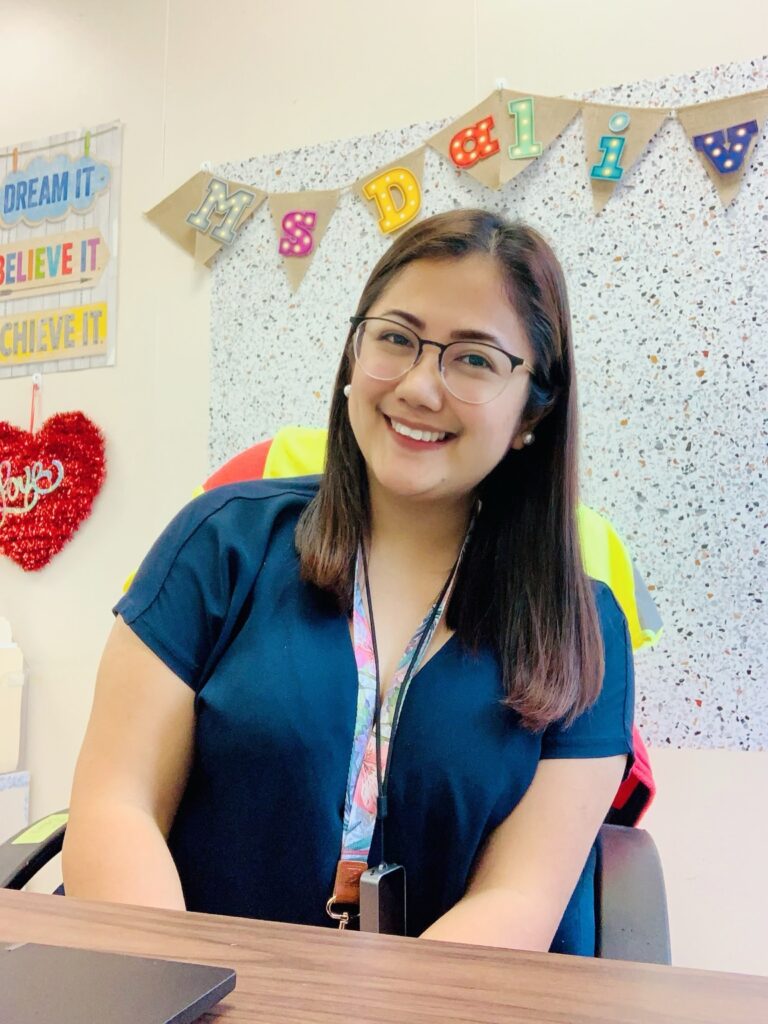
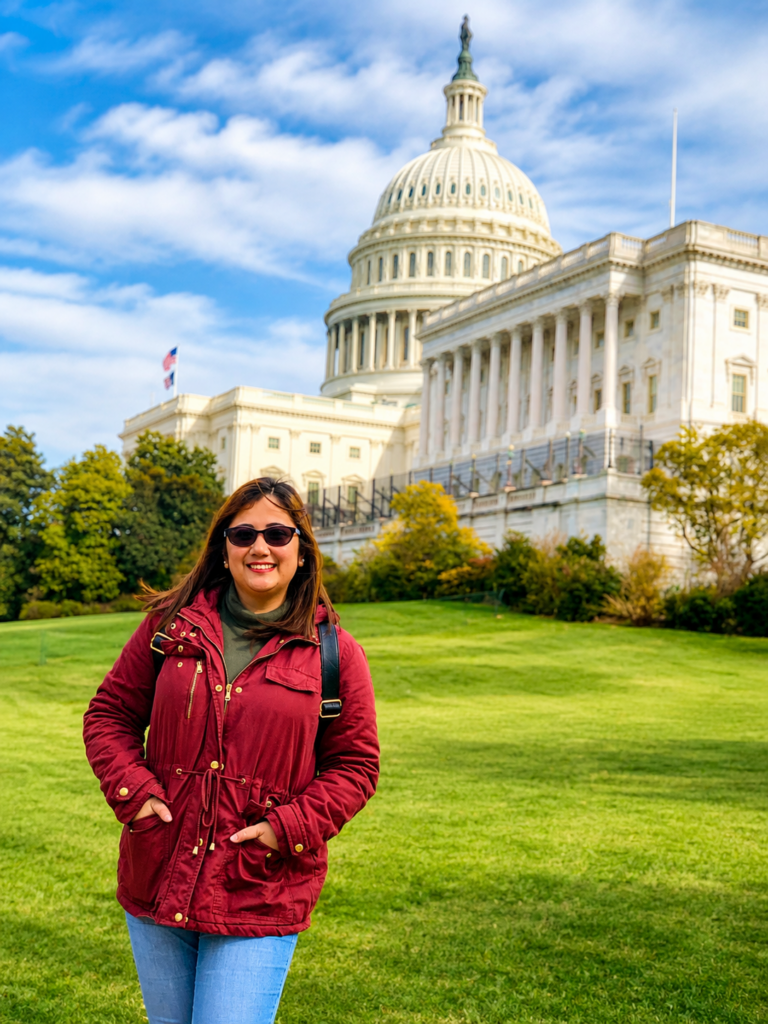
That belief is also why she went abroad in the first place. The United States, she found, offered strong support systems, evidence-based practices, and a culture of continuous professional development in special education—an environment where she could sharpen her craft alongside experienced colleagues. “Working in this environment has allowed me to enhance my skills, collaborate with experienced professionals, and provide high-quality support to students with disabilities,” she explains. The career growth was real. So was the more practical motivation of building better opportunities for her family. But underneath both sat a longer-range plan she has never lost sight of: to eventually bring what she learned back home.
For her, the satisfaction isn’t abstract. “The most satisfying part of my work is seeing my students grow, not only academically but also socially and emotionally,” she says. “My work is more than a career—it is my calling.” Coming from someone who has spent six years abroad away from family, the word calling lands as a description of cost as much as devotion.
The part nobody sees from the outside
From a distance, an overseas teaching job can look like an arrival—the visa granted, the plane boarded, the dream underway. Up close, the first years abroad were something else entirely.

The former preschool teacher had to absorb a new country, an unfamiliar educational system, and an ocean of distance from the people she loved—all at once. As a special educator, she also had to master a different legal framework, new instructional practices, and unfamiliar documentation requirements while proving herself to colleagues who didn’t yet know her. “There were times when I felt overwhelmed by the responsibilities and the emotional challenges of living far from my loved ones,” she admits.
What carried her through wasn’t a single breakthrough but a set of habits. She stayed open to learning, leaned on experienced colleagues for guidance, and reframed each obstacle as something to grow from rather than survive. She kept her family and friends in the Philippines close by phone, drawing on their encouragement when the days ran long. And she anchored herself in her faith. “My greatest source of support has always been my faith in God,” she says. “Trusting His plan gave me the courage to persevere even when the journey was uncertain.”
The mentors she encountered along the way shaped her too—school leaders whose compassion and steadiness gave her a model to grow into. “Their example encouraged me to become not only a better teacher but also a better person,” she says. Looking back now, she doesn’t describe those hard years as something she’d erase. They made her more resilient, more adaptable, and, she says plainly, more grateful.
The school she hasn’t built yet
For all that she has accomplished in South Carolina, Dr. Trisha talks about the United States as a chapter rather than a destination. The real ambition points home.
She wants to return to the Philippines and put everything she’s gathered—the strategies, the systems, the hard-won perspective—toward strengthening special education in her own country. And she has a specific dream in mind. “My long-term dream is to establish a school where children with disabilities feel welcome, seen, valued, and loved,” she says, “a place where they receive the same quality of support, opportunities, and inclusive education that I have witnessed in the United States.”
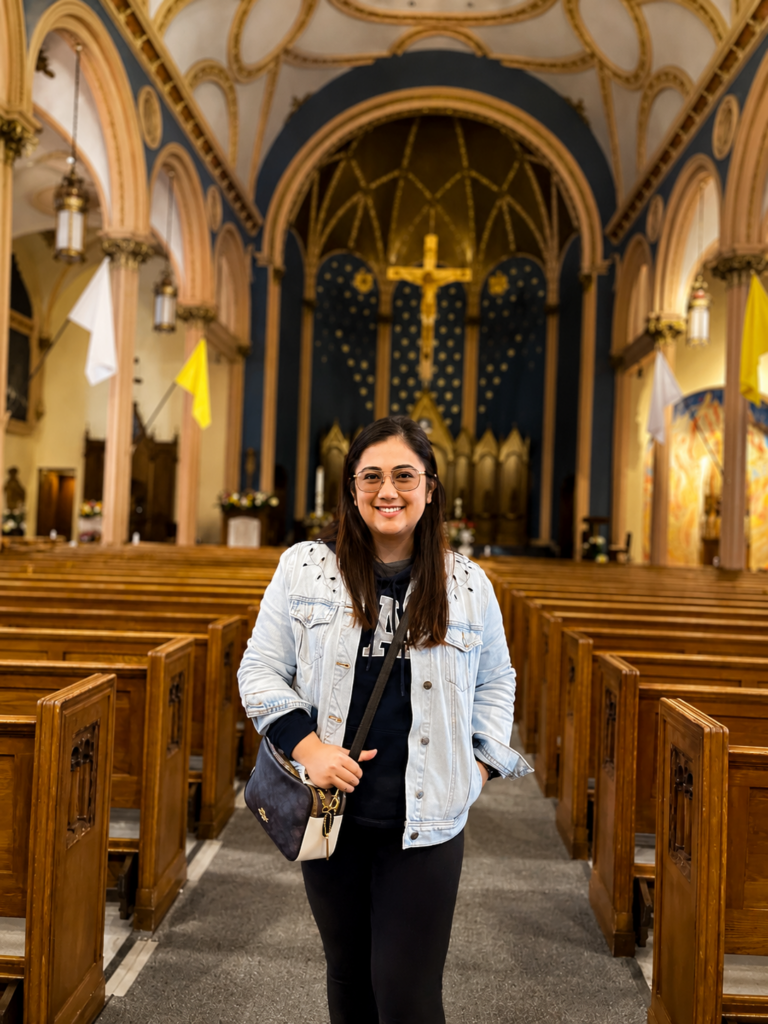
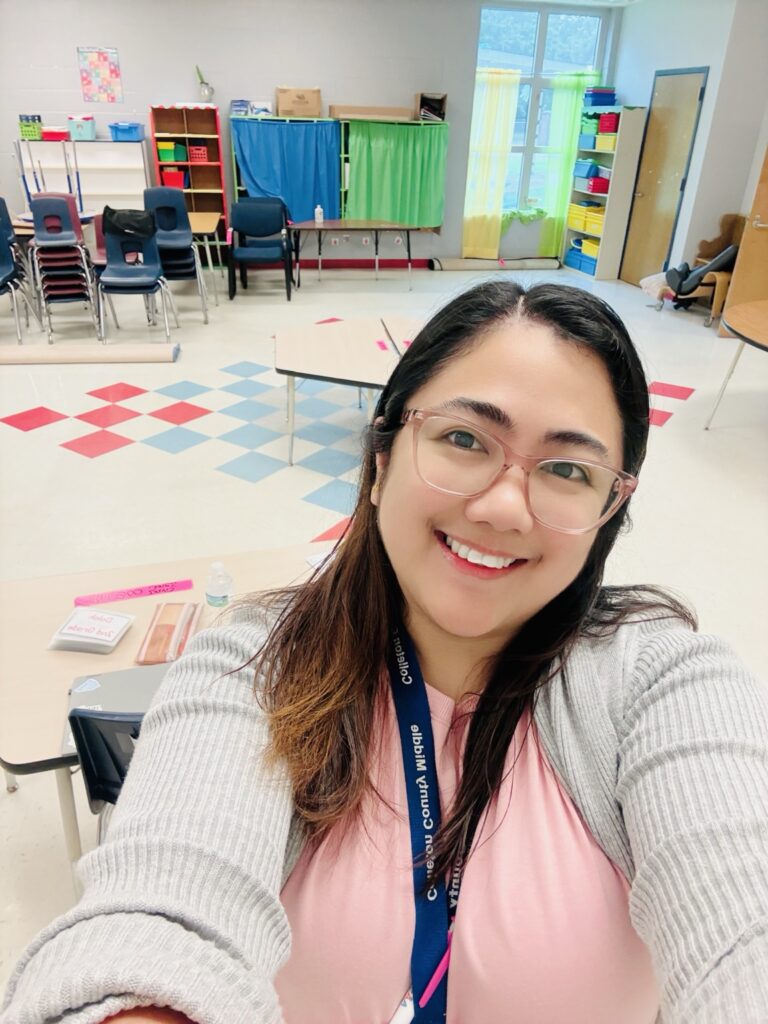
The vision extends past a single building. She wants to mentor teachers, partner with schools and communities, and push for the evidence-based, inclusive practices she’s seen change outcomes for learners. She is especially protective of the students who tend to be misunderstood—those with behavioral and emotional challenges—and wants to be their advocate for greater awareness and acceptance. “I want to be a voice for students who are often misunderstood,” she says.
She isn’t waiting for the school to exist before she starts. She’s already developing the Teach Beyond PH Podcast, a Spotify platform for Filipino teachers in the United States and those hoping to teach abroad, where she trades practical strategies, career guidance, and encouragement. “My goal is to remind teachers that they are never alone in their journey,” she says. She also runs The Exceptional Classroom, a Facebook page where she shares evidence-based tips and resources for supporting learners with disabilities—a way to reach parents and educators she’ll never meet in person.
What she’d tell the kababayan who wants to quit
Six years abroad have given her a hard-earned message for other Filipinos overseas, and she doesn’t soften the loneliness of it. “There are days when you miss home so much that no video call can fill the emptiness,” she says.
Her advice is grounded rather than sentimental. Remember why you started, she urges, and hold on to that purpose on the difficult days: “Let your struggles shape you, not break you.” Manage your money with discipline but don’t let it hollow you out—”Take care of your finances, but also take care of your heart.” Choose the people you trust with care, because distance makes you vulnerable, and never trade your integrity for temporary comfort.
And keep your faith, she says—through the closed doors and the changed plans. “One day, all the sacrifices, tears, homesickness, and hard work will make sense.”
It’s advice she clearly gives from inside the experience rather than above it. The teacher who was once overwhelmed by a strange country and a mountain of paperwork is now the colleague other teachers call for guidance—the department chair, the podcaster, the steady voice reminding someone that they’re not alone. Her mantra hasn’t changed since her first classroom in 2011: Be the person who never gives up on a child. These days, she’s expanded it. She’s trying not to give up on the teachers, either.
