



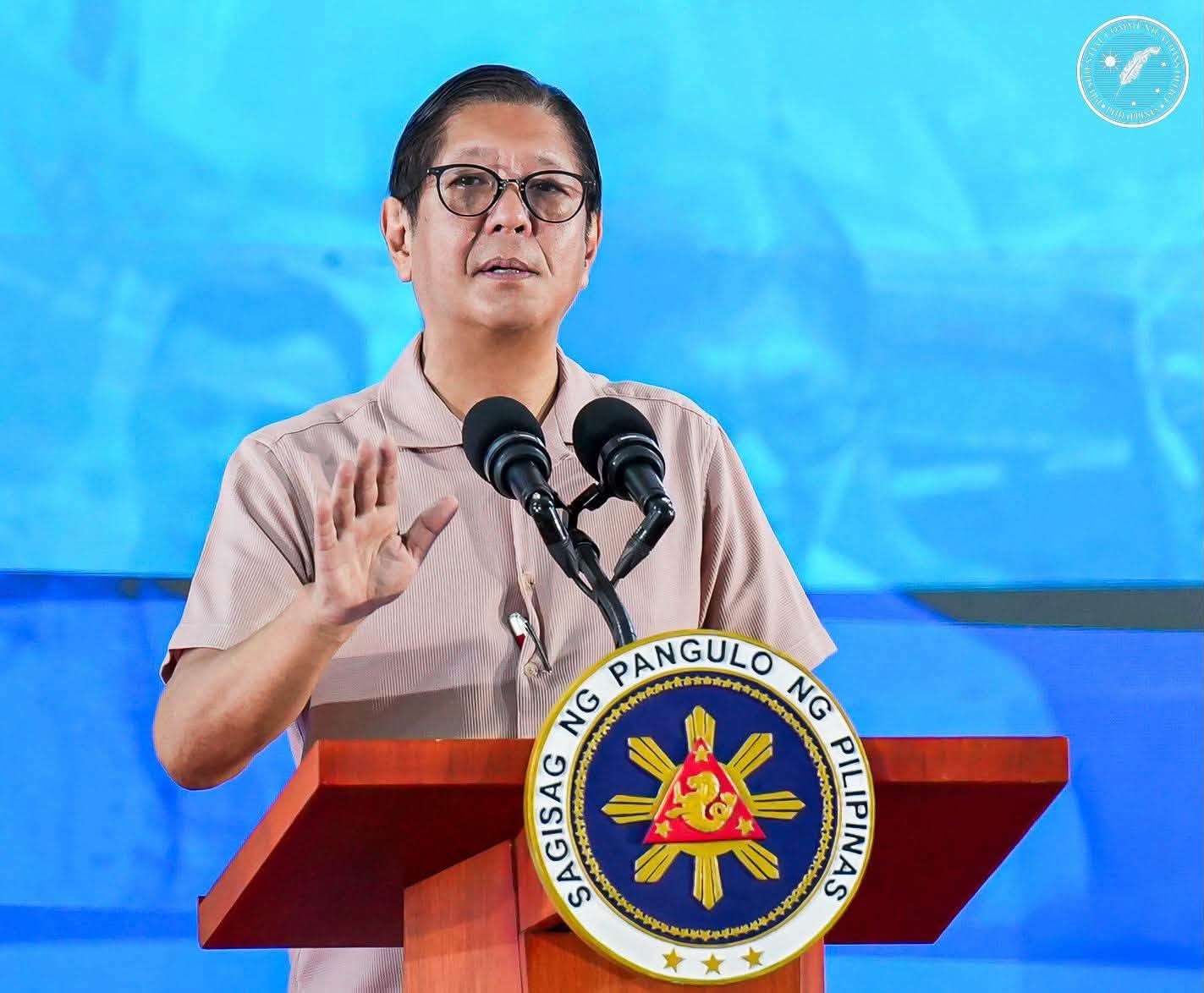

Twenty measures on the Marcos administration’s priority list remain stalled at the committee stage in both the Senate and the House of Representatives, according to a tally by GMA News Research, underscoring the slow movement of the legislative program endorsed by the Legislative-Executive Development Advisory Council.

Closest to the finish line is the proposal amending the Universal Access to Quality Tertiary Education Act, which cleared the bicameral conference committee and now awaits enrolment. Four other LEDAC measures are still being reconciled by bicameral panels: the National Center for Geriatric Health bill, revisions to the Government Assistance to Students and Teachers in Private Education Act, the People’s Freedom of Information Act, and the Assistance to Individuals in Crisis Situations Act.
Only two proposals have completed the full legislative process. President Ferdinand “Bongbong” Marcos Jr. approved Republic Act No. 12317 in March, moving the first Bangsamoro parliamentary polls to September 14, 2026. He also enacted RA No. 12316, which hands the chief executive authority to lower or suspend excise taxes on petroleum products—a measure pushed as fuel costs climbed following the US-Israel war on Iran.
Several bills have cleared one chamber but not the other. The Senate has approved the Classroom-Building Acceleration Program Act and the Citizen Access and Disclosure of Expenditures for National Accountability Act, both of which sit at the House committee level. Moving in the opposite direction, House-approved measures awaiting second reading in the Senate include amendments to the bank deposits secrecy law, revisions to the anti-OSAEC and anti-CSAEM statutes, the anti-political dynasty bill, changes to the Masustansyang Pagkain Para sa Batang Pilipino Act, and amendments to the Biofuels Act.

A larger batch of House-passed bills remains lodged at Senate committees, among them the EPIRA amendments covering the Energy Regulatory Commission, the waste-to-energy proposal, the estate tax amnesty, the travel tax abolition measure, the creation of a Department of Water Resources, changes to the 4Ps law, the digital media anti-false information bill, the national reintegration measure, teacher professionalization amendments, National Building Code revisions, the Blue Economy Act, the eBayad Act, the Presidential Merit Scholarship Act, the National Land Use Act, and the bill strengthening the Bases Conversion and Development Authority.
Four proposals sit at second reading in both chambers: the party-list system reform bill, the Independent People’s Commission Act, the measure barring relatives of officials up to the fourth degree from government contracts, and the bill requiring civil servants to waive bank secrecy.
The 20 measures untouched beyond committee in both houses cover a broad policy range, including amendments to the rice tariffication law, the coconut farmers trust fund, immigration bureau modernization, MSME reforms, disaster risk financing insurance, the Philippine Budgeting Code, online gambling regulation, a Magna Carta for Barangays, Fisheries Code changes, civil registration reform, rules on social media and artificial intelligence in elections, oil deregulation amendments, AMLA revisions, an excise tax on single-use plastics, Local Government Code amendments, Universal Health Care changes, a cybersecurity measure, the MIND infrastructure masterplan, and a general tax amnesty.
By comparison, the 19th Congress enacted 40 LEDAC-backed measures, of which 27 tracked the legislative agenda laid out in the Philippine Development Plan 2023-2028 and 21 were flagged as State of the Nation Address priorities.
