



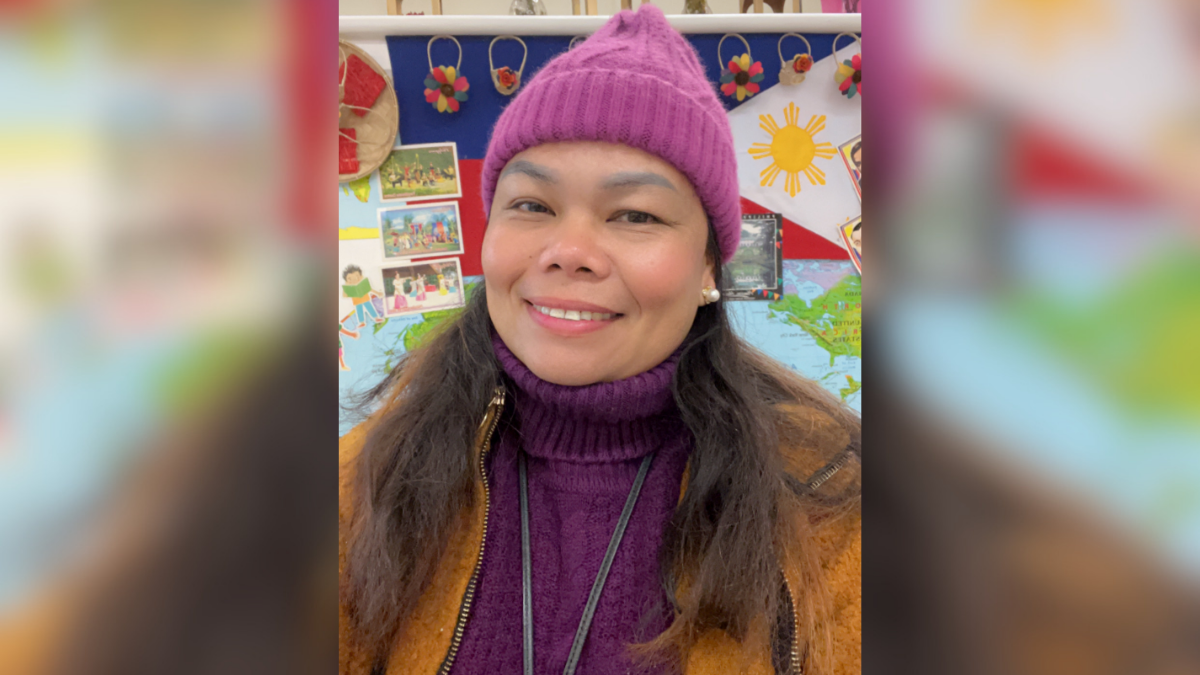

Every summer, while other children chased the loose, unhurried hours of vacation, one Filipino girl spent hers bent over other people’s laundry, sweeping other people’s floors, and hawking ornamental plants along the roadside. There were no carefree months. There was only the arithmetic of survival, every peso counted and set aside for the school supplies, uniforms, and fare that would carry her into another academic year.

That girl was Jemma S. Book, now a certified third grade teacher at Cumberland Mills Elementary School in Fayetteville, North Carolina. At 44, she stands in a classroom shaped by the American curriculum, teaching English, math, science, and social studies to eight-year-olds who will never guess how far she traveled to reach the front of the room. Her story runs on a single conviction, one she repeats to her students and, on hard days, to herself: “I want every child I teach to understand that difficult circumstances do not determine their future.”
A childhood measured in sacrifice
Jemma’s earliest lessons had nothing to do with textbooks. Her father sold ornamental plants; her mother made and sold Filipino pastries. Their combined labor never stretched far enough to cover the family’s basic needs, let alone the cost of an education. So from her elementary years, Jemma became a self-supporting student, working alongside a sister who has since passed away.
“Every peso we earned was carefully saved so I could buy school supplies, uniforms, and other necessities for the next school year,” she recalls. The work was constant, but it planted something durable. “Those experiences taught me the value of hard work, responsibility, and perseverance at a very young age.”
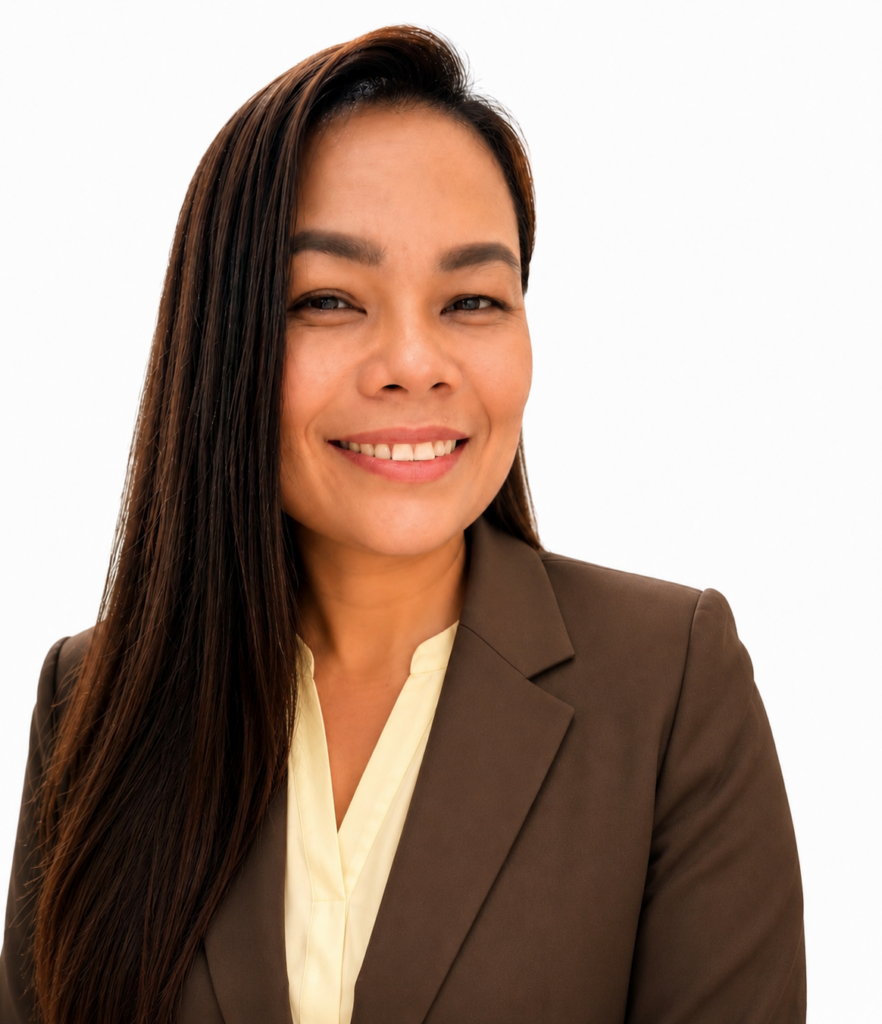
For a long stretch, college looked less like a goal than a fantasy. The little she earned barely helped her family buy food. She took the entrance exam at a well-known university in the city anyway, half-expecting nothing, and passed. Teaching had been her dream since childhood, and now the door had opened. She stepped through it the only way she could afford to, by living and working inside other people’s homes to earn her transportation, tuition, and daily expenses.
The separation from her family was its own kind of hardship. She longed to be home, but she understood the exchange she was making. On weekends she returned when she could, carrying fruits for her sick mother, bought from the small salary of a working student. Her mother, she says, was her greatest inspiration, the reason the sacrifice felt bearable.
The promise that arrived too late
There was one gift Jemma had promised herself she would give. Her mother’s slippers were so worn that holes had opened in the soles, and her feet touched the ground when she walked. The daughter made a quiet vow: once she graduated and found work, she would buy her mother a new pair. It was a small thing, and it meant everything, a symbol of gratitude for a lifetime of sacrifice.
The promise was never kept. Six months before Jemma graduated from college, her mother died.
The loss unmade her. She lost her motivation and began to wonder whether she should finish at all. “It felt as though my world had stopped,” she says. What kept her upright was not her own resolve but the people around her, supportive classmates and close friends who refused to let her quit. And beneath the grief sat a set of questions too heavy to ignore, questions about her younger siblings and the future riding on her shoulders.
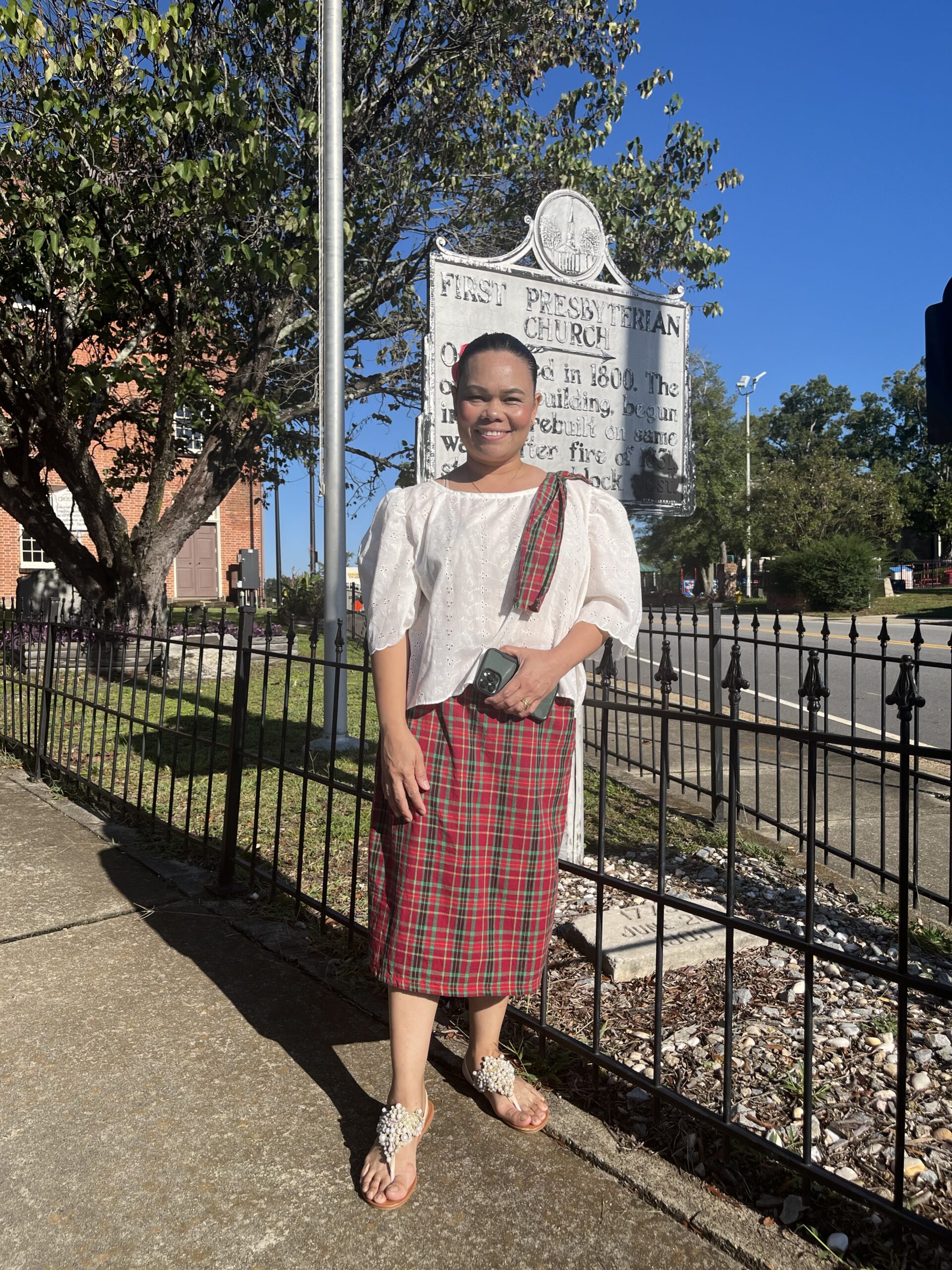
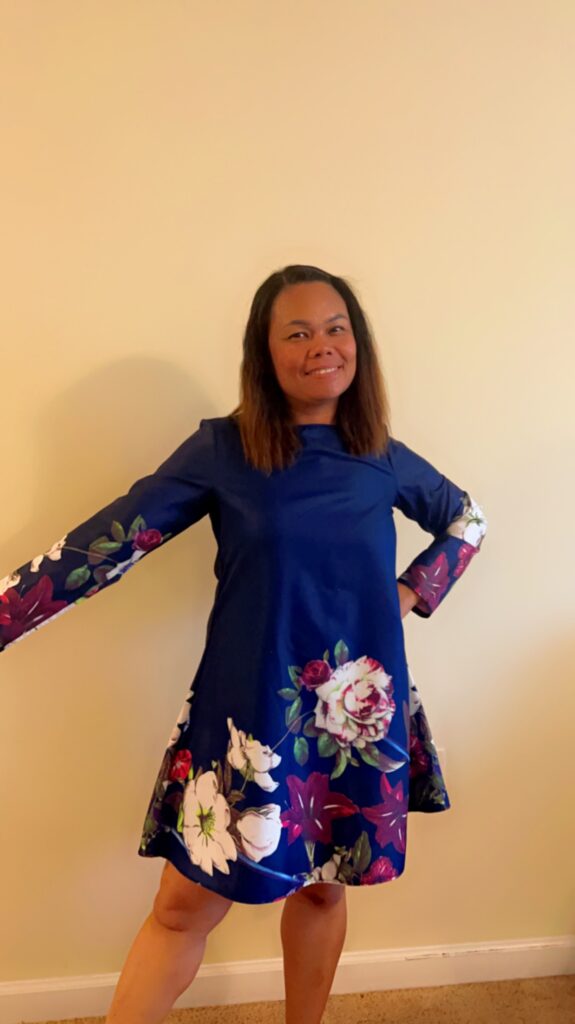
She names them plainly. What would happen to the family if she gave up? Would they stay trapped in poverty, still stealing bananas from neighbors just to eat, still living in a nipa hut that flooded in heavy rain, the water sometimes carrying the house away while they were still inside it?
Those questions became fuel. Through prayer, faith, and a stubbornness forged in childhood, she finished her degree and, shortly after graduation, secured her first teaching position. Looking back, the former working student frames every hardship as a stepping stone rather than an obstacle. “Determination, faith, and education have the power to transform lives,” she says, and she means it as instruction, not sentiment.
Seventeen years, then a leap

Before North Carolina, there was a long and decorated career at home. Jemma taught for more than 17 years in the Philippines, most recently as a Master Teacher I in the Department of Education’s Zamboanga City Division from 2011 to 2022. She handled Grades 1, 4, and 6 across all subjects in multilingual classrooms, led literacy and numeracy intervention programs for non-readers and struggling learners, and mentored fellow teachers through instructional coaching and classroom management support.
Her record there was not quiet. She coached students to National Champion level in radio broadcasting at the National Schools Press Conference, served as Officer-in-Charge overseeing academic and operational duties, and was named an Outstanding Teacher for story writing in her region. She worked as a division demonstration teacher for educational television and as a resource speaker on English pedagogy, blended learning, and teacher development. An earlier chapter, from 2004 to 2010, placed her at Western Mindanao State University’s Integrated Laboratory School, teaching a full spread of subjects and building the parent-and-faculty collaboration that would become a hallmark of her practice.
By any measure, she had arrived. So why leave? For the veteran educator, the answer was less about escape than expansion. “I wanted to challenge myself professionally by teaching in a different educational system where I could learn new instructional practices, collaborate with educators from diverse backgrounds, and become a more effective teacher,” she says. There was also the practical weight she had carried her whole life: teaching abroad meant greater financial stability for her family and real support for her younger siblings, a way to honor her parents’ sacrifices rather than simply remember them.
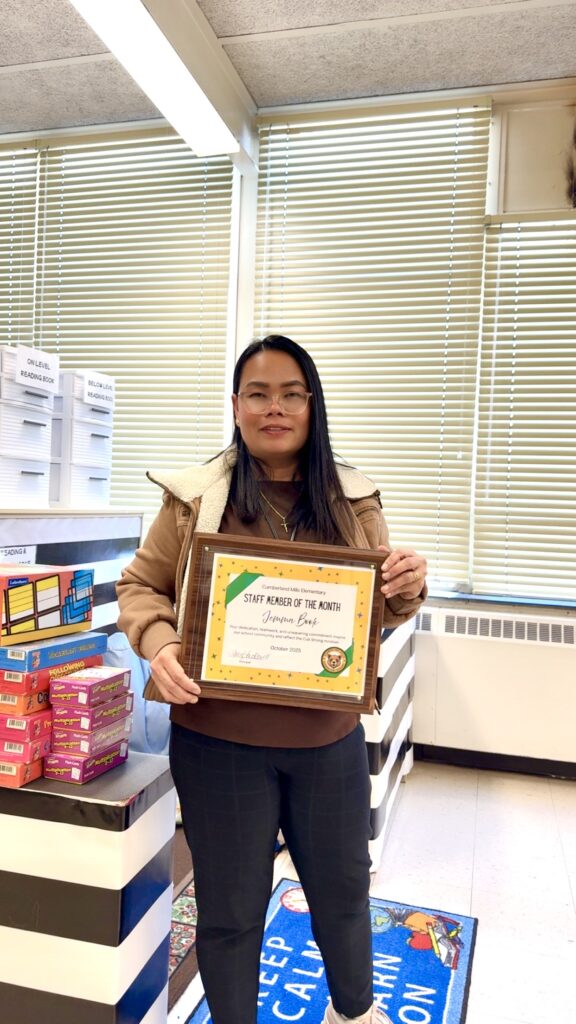
In August 2022, she began again, this time as an international educator, with Cumberland Mills Elementary School as her first overseas post.
Starting over in a new alphabet
Settling in the United States tested everything she thought she had already mastered. The curriculum was unfamiliar, the standards and assessment practices new, the classroom expectations different from anything she had known. She hit a language barrier and the self-doubt that trails it. Culture shock and homesickness pressed in, sharpest around the special occasions she now spent an ocean away from the people she loved.
Her method for getting through was the one she had used all her life. “I reminded myself of the sacrifices and hardships I had already overcome,” she says, choosing to treat each obstacle as something to learn from rather than fear. She leaned on colleagues, said yes to professional development, asked questions, and stayed open to feedback. Her family in the Philippines remained her source of strength, and in North Carolina a circle of friends became a second family, offering the sense of belonging that homesickness kept trying to erode.
The adjustment paid off in ways the state could measure. The North Carolina Department of Public Instruction and Cumberland County Schools recognized her among the top 25 percent of third grade reading teachers based on 2024–2025 EVAAS student growth, an achievement that came with a $7,000 Teacher Legislated Performance Bonus. She was named Teacher of the Month at her school in December 2024 and again in October 2025, and recognized as a certified teacher with perfect attendance for the 2025–2026 school year.
Ask her what she values most, though, and the awards fall away. “There is no greater reward than seeing a struggling reader become excited about books, watching a student finally understand a difficult math concept, or hearing a child say, ‘I can do it!'” she says. The child who once wondered whether dreams were possible now spends her days convincing other children that they are.
What she wants her kababayans to know
Jemma teaches from experience when she speaks to fellow Filipinos abroad, and her counsel is unsentimental. Challenges are inevitable, she says, but they can become the raw material of transformation. “Always remember the reason why you started. Hold on to your dreams, stay focused on your goals, and believe that the sacrifices you are making today can create a better future for yourself and your loved ones.”
She is specific about the practical side. Value professionalism, honesty, and continuous learning. Adapt to the culture and expectations of a new workplace, and never be afraid to ask for help. On relationships, she is protective: choose the people who strengthen you over those who take advantage of your kindness. “Choose friends who become your source of strength rather than those who take advantage of your kindness,” she says, having survived on exactly that kind of support during her hardest seasons.
Faith threads through all of it. She urges her countrymen to keep God at the center of their plans, in seasons of struggle and seasons of success alike. “Faith can carry us through the most challenging circumstances,” she says. “There were moments when I felt tired, discouraged, and uncertain, but trusting God gave me the strength to continue moving forward.”
Whatever comes after her tenure abroad, the mission stays fixed. She wants to advocate for children from difficult backgrounds, mentor teachers, and push for access to quality education wherever her path leads. The girl who once saved every peso for a uniform now measures her wealth differently, in the confidence of a student who finally believes the future belongs to them too. It is the belief she was denied as a child and clawed her way toward as an adult, and she hands it out daily, one third grader at a time.
