



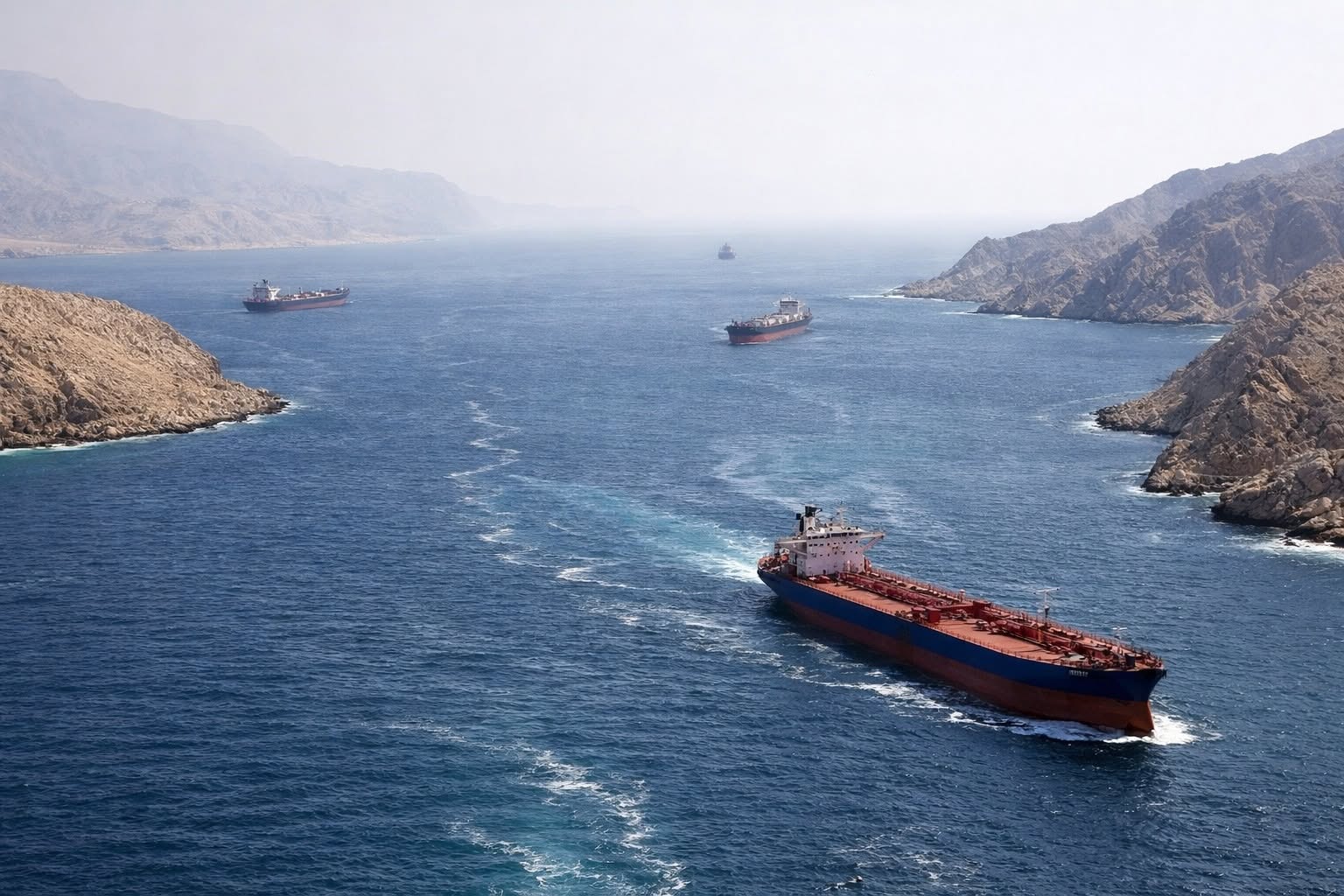

Manning agencies have begun preparing replacement crews for Filipino seafarers whose contracts have run out while their vessels sit idle in the Persian Gulf, though any handover depends on whether security conditions in the region allow it, the Department of Migrant Workers (DMW) said.

That preparation is unfolding against a standstill that has left roughly 2,500 Filipinos aboard ships with no clear route out. Migrant Workers Secretary Hans Leo Cacdac said the crews are waiting for conditions to permit safe passage after the vessels carrying them were forced to hold position rather than attempt a crossing.
The obstacle is the Strait of Hormuz. Cacdac said the ships have been kept from transiting the waterway by the security risks tied to a fresh round of attacks between American and Iranian forces. The strait ranks among the most heavily used passages in global trade, and its disruption has consequences well beyond the crews caught behind it, functioning as a critical gateway for oil shipments and other commercial cargo.

The Filipinos do not face the situation alone. By official estimates, about 6,000 seafarers of various nationalities are similarly unable to depart the Gulf, all held back after mounting danger prompted operators to halt movement through the passage.
For the Filipinos still on board, day-to-day conditions have held steady. Cacdac said shipowners are keeping the crews supplied with food, drinking water, and fuel throughout the wait. Wages have also continued without interruption, with earnings sent as usual to the seafarers’ listed beneficiaries back home.
The DMW, for its part, said it is tracking developments in the region and staying in position to respond as the standoff plays out.
