



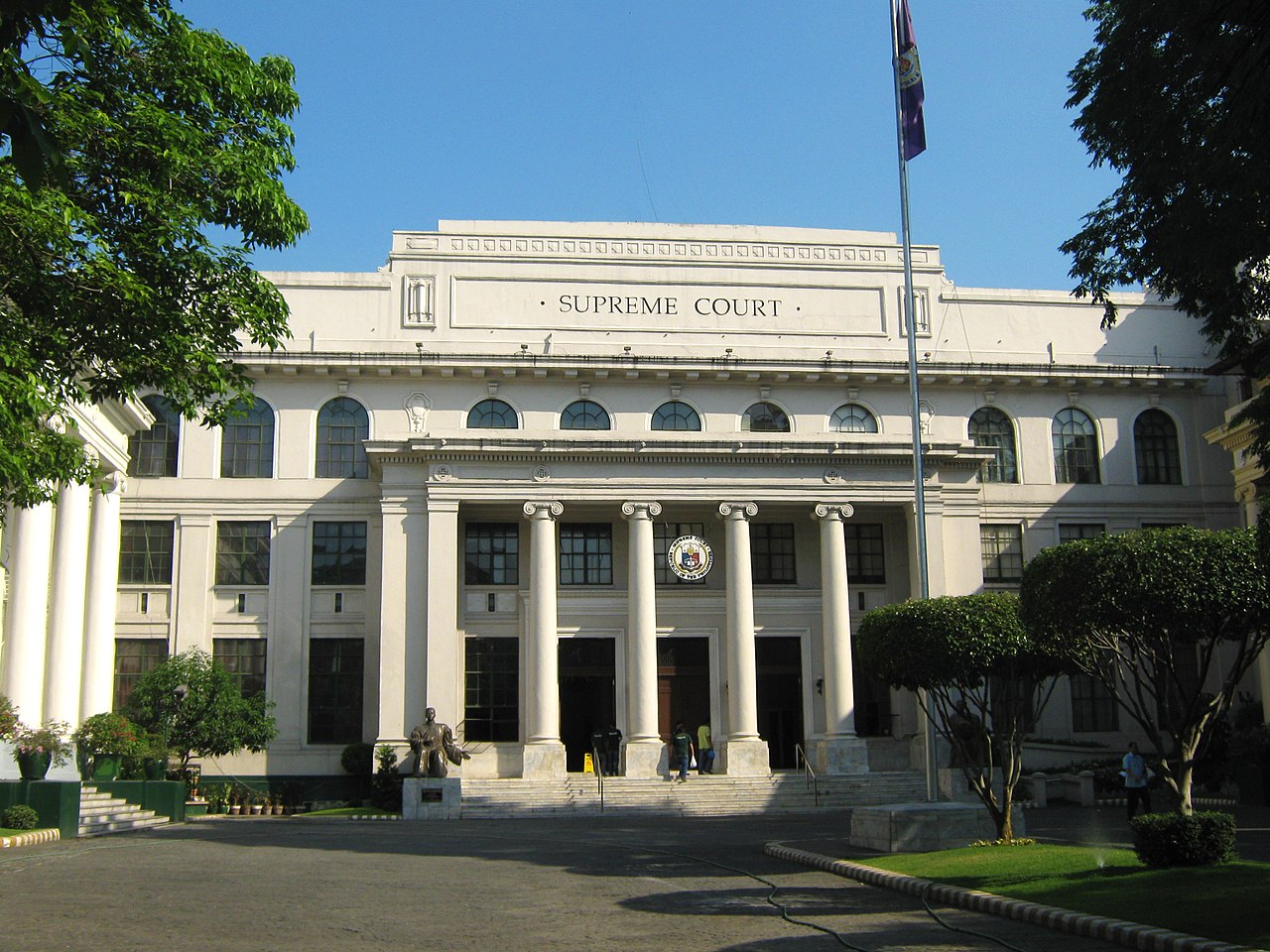

A protective legal remedy filed eight years ago remains unresolved, and the lawyers behind it are now pushing the Supreme Court to finally rule — while separately demanding that the tribunal strike down the police directive that framed the government’s antidrug campaign.

CenterLaw Philippines attorneys Joel Butuyan and Gilbert Andres brought the twin requests before the high court on Friday. Their central target is a police memorandum from 2016 that operationalized former President Rodrigo Duterte’s crackdown on narcotics. In their view, the order has never been rescinded and continues to carry force.
The document, “Project: Double Barrel,” was signed by Gen. Ronald “Bato” Dela Rosa during his tenure as Philippine National Police chief. On paper it named trafficking networks alongside low-level dealers and users as legitimate police targets. In practice, the operations that followed concentrated on impoverished urban neighborhoods, where human rights monitors estimate the death toll reached 30,000.
Butuyan and Andres argue the courts cannot let the matter lapse simply because Duterte’s presidency has ended. They contend the challenged executive measures are “still in effect and are also capable of repetition yet evading review,” and cautioned that such policies “may be altered, superseded or rendered inoperative before a judicial review is completed.”
They framed the stakes in constitutional terms: “If the mere end of term of a presidency can purportedly render constitutional challenges moot, then important constitutional questions concerning executive action could repeatedly evade judicial determination despite their continuing significance.”
Part of Friday’s filing revives two consolidated petitions for a writ of amparo — a remedy meant to safeguard a person’s rights to life, liberty and security — that the lawyers lodged back in 2017. Those petitions concern 26 Metro Manila communities where residents reportedly faced harassment during the peak of the campaign. The attorneys withheld the specific locations from reporters, citing safety concerns.

Beyond the legal mechanics, the lawyers want a formal historical finding. They asked the court “on this 10th year commemoration of the bloody ‘war on drugs,’ [to] judicially declare and place on historical record that the Philippine ‘war on drugs’ happened, that its policy was [the] extrajudicial/extralegal killings of mere suspects and [that it] was unconstitutional for violating the constitutional rights to life, liberty and security of Filipinos.”
A ruling, they suggested, would also affirm that the country’s courts function as a genuine check protecting citizens.
The urgency, according to Butuyan, stems from the memorandum’s continued availability as a tool. He told reporters the PNP is “not doing anything to withdraw” it. “If similar incidents happen again, [the police] may still use Double Barrel to justify their operations,” he said. “So we are asking the Supreme Court to decide on this and declare it invalid and unconstitutional.”
The high court has previously touched on the drug war without ruling on the underlying merits. One petition came from Catholic nun Ma. Daño, tied to the killing of 35 people and the arrest of eight suspects; another from lawyer Aileen Almora, whose brother was killed in a police antidrug operation. CenterLaw represented the former, the Free Legal Assistance Group the latter.
In separate remarks, the two lawyers described the families of those killed as people “left commemorating a decade of grief, loss and unaddressed systemic violence.”
Notably, the court has not been entirely silent. In an April 3, 2018 resolution, it observed that “The government’s inclusion of these deaths among its other accomplishments may lead to the interference that these are state-sponsored killings” — and directed the Office of the Solicitor General to hand over police records of the campaign to both legal groups.
