




Dubai has approved a wide-ranging portfolio of development projects and policy initiatives valued at AED18 billion, covering sectors such as infrastructure, culture, trade, investment, education, finance and urban planning.
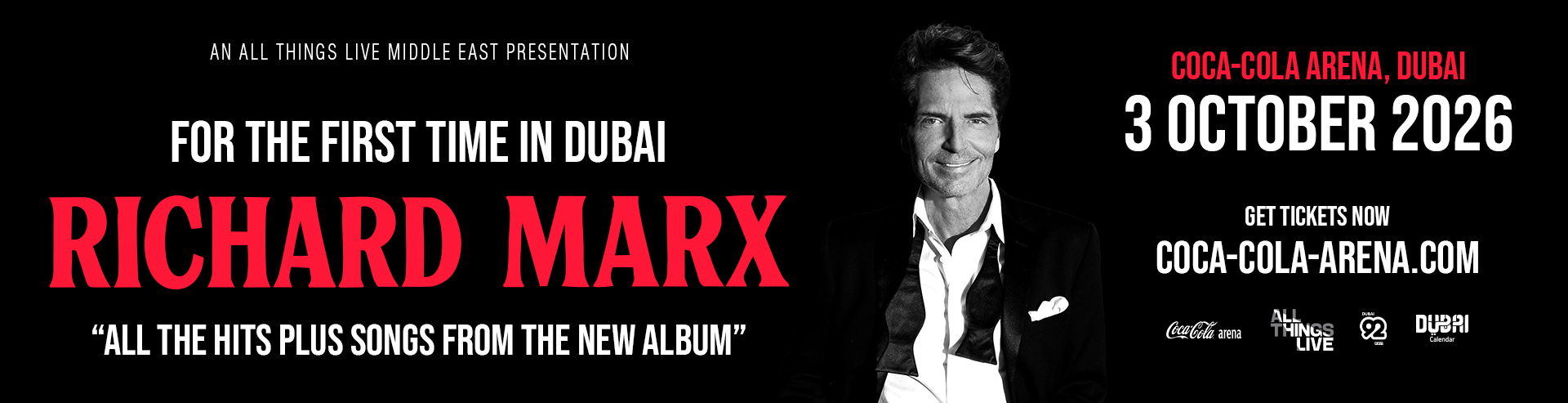
The package was approved on Wednesday by Sheikh Hamdan bin Mohammed bin Rashid Al Maktoum, Crown Prince of Dubai, Deputy Prime Minister, Minister of Defence and Chairman of The Executive Council of Dubai, during a council meeting at Emirates Towers attended by Sheikh Ahmed bin Mohammed bin Rashid Al Maktoum, Second Deputy Ruler of Dubai.
Announcing the decisions, Sheikh Hamdan said: “During a meeting of The Executive Council, we approved a set of major initiatives and projects worth Dh18 billion. These include the Dubai Cultural Strategy 2033, comprising 40 strategic initiatives, and the Dubai Customs Strategy aimed at further strengthening Dubai’s position as a global trade hub.”
Among the approved projects is the First Al Khail Street Development Plan, which will establish a new 15-kilometre elevated road running parallel to Sheikh Zayed Road. Designed with three lanes in each direction, the corridor is expected to benefit around 2.6 million people by improving access to Al Barsha, Al Quoz, Business Bay and Meydan. Construction is scheduled to begin in the third quarter of 2027 and finish by the fourth quarter of 2030. Officials said the project is expected to shorten peak-hour travel times on Sheikh Zayed Road by 51% while adding capacity for about 9,000 vehicles per hour.
The council also endorsed the Dubai Cultural Strategy 2033, led by Sheikha Latifa bint Mohammed bin Rashid Al Maktoum, Chairperson of the Dubai Culture and Arts Authority. Built around four pillars and 40 initiatives, the strategy seeks to strengthen Dubai’s cultural sector in line with the Dubai Plan 2033 and Dubai Social Agenda 33. It aims to support more than 6,000 local talents, attract over 6,000 international creatives, more than triple the city’s cultural assets, raise the sector’s contribution to GDP to 5.4%, and increase public-private partnerships to AED2.75 billion.
Another approved initiative, the Dubai Customs Strategy 2030, is intended to streamline trade, reinforce economic partnerships, strengthen compliance and security, and improve services for customers and business partners while enhancing Dubai’s competitiveness as an international trading hub.
Sheikh Hamdan also announced approval of the “Dubai Population Now” Real-Time Population Census and Growth Monitoring Initiative together with the Emirati Talents Strategy in Private Education.
“Additionally, we approved the ‘Dubai Population Now’ Real-Time Population Census and Growth Monitoring Initiative, which provides real-time data to support decision-making following Dubai’s population surpassing 4.58 million at the end of 2025, and the Emirati Talents Strategy in Private Education to create opportunities for 3,000 Emiratis by 2033,” the Crown Prince said.
Operated by the Dubai Data and Statistics Establishment under the Dubai Digital Authority, the population initiative uses artificial intelligence and forecasting technology to provide continuously updated demographic data. Dubai’s population increased by 332,000 people, or 7.5%, from 2024 to reach more than 4.58 million by the end of 2025, with the data intended to support planning for housing, healthcare, transport and education.
The private education strategy is designed to expand Emiratisation in the sector through programmes including teacher qualification and accreditation, flexible employment pathways, partnerships, teaching experience initiatives and opportunities for retired professionals. The goal is to create 3,000 jobs for Emiratis by 2033.
The Executive Council also approved the Dubai Investor Register, which will provide a unified platform for individual and institutional investors across Dubai, including its free zones. The system is intended to simplify business operations by allowing companies and investors to operate across multiple jurisdictions without repeated registration while supporting the Dubai Economic Agenda D33 target of attracting AED650 billion in foreign direct investment by 2033.
Additional measures include adopting a new visual identity for Dubai’s address system, with implementation planned across 186 areas by 2029 to improve navigation and urban identity. The council also approved the establishment of the Global Centre for Technology and Innovation in Islamic Finance, to be managed by the Dubai International Financial Centre with international partners. The centre will promote Islamic financial technology through industry initiatives, innovation programmes and training aimed at preparing more than 3,000 participants by 2031.
