




When a Filipina domestic worker in the UAE found herself overwhelmed by stress, caught between misunderstandings with her employer and a deepening sense of isolation, she did not know where to turn. She was afraid of losing her job. She had no clear path to help.

Then CAFFWOA’s members reached out.
They listened. They guided her through the proper legal and professional steps available to her. Through counseling, mediation, and steady emotional support, the relationship with her employer eventually softened into something more respectful and understanding. Her story, shared with care for her privacy, is the kind that Charisse May Mendoza returns to when she explains why the organization exists at all.
“Stories like this remind us why community support is so important for overseas workers,” Charisse said.
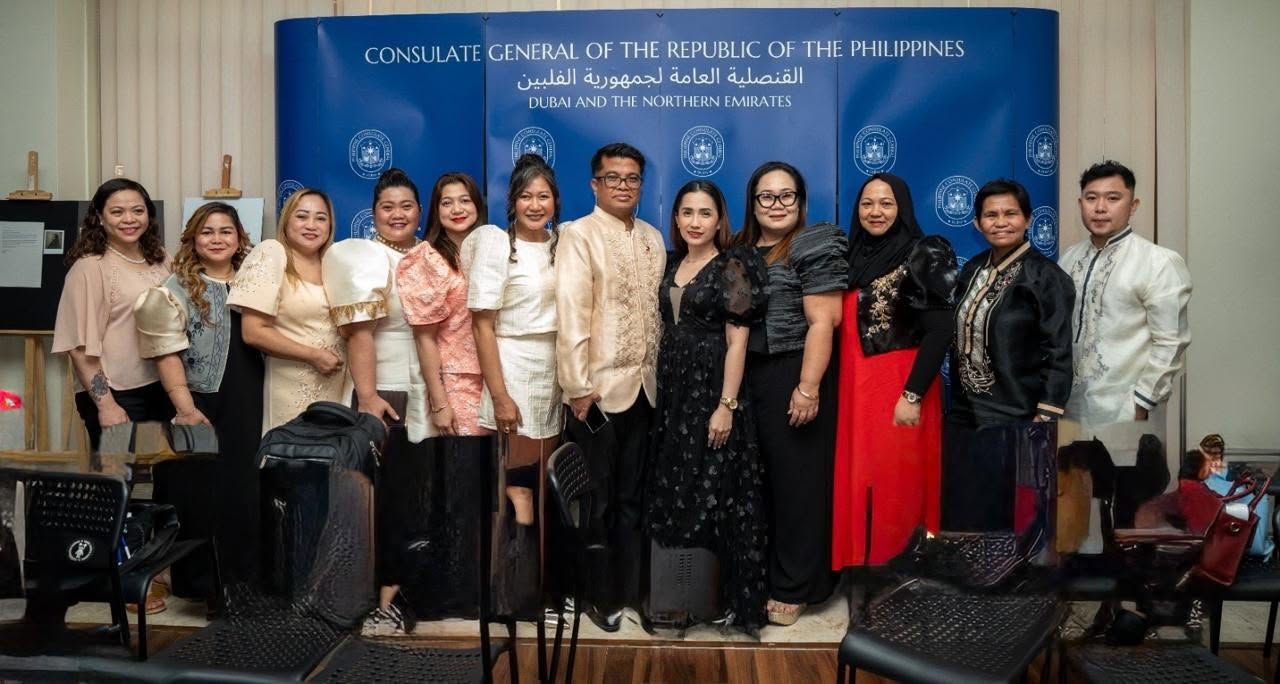
As Secretary of the Cooperation Among Foreign Filipino Welfare Officers Association (CAFFWOA) UAE, Charisse has a clear view of both the paperwork and the people behind it. The association was established in October 2022 under the umbrella of the Migrant Workers Office (MWO), and was later officially accredited by the Filipino Social Club (FILSOC) on December 7, 2025. Its founding grew out of a deep concern for the welfare of Filipino domestic workers and housemaids across the Emirates.
“The founders saw the need for a dedicated support system that would protect workers’ rights, provide guidance, and create a stronger sense of community among kababayan working abroad,” Charisse explained. The organization’s by-laws put it plainly: CAFFWOA exists to promote the welfare and dignity of Filipino domestic workers while fostering harmony, respect, and the Filipino spirit of bayanihan.
That focus on domestic workers specifically was a deliberate choice. Among the overseas Filipino community, housemaids are often the most vulnerable. Many live inside their employers’ homes, work long hours, and lack easy access to support networks or information about their rights.
“CAFFWOA recognized that Filipino housemaids need a dedicated organization that understands their unique situation and can directly assist them,” Charisse said. The association educates both workers and employers about UAE labor laws, offers counseling and mediation, provides training opportunities, and runs programs built around unity and cultural pride. Having an organization devoted to domestic workers, she added, helps ensure their voices are represented and gives them a trusted community to turn to during difficult times.

Charisse’s own role keeps her close to the machinery that holds all of this together. As Secretary, her work centers on organization, communication, and documentation. Under the CAFFWOA by-laws, she keeps records of board actions, oversees meeting minutes, sends announcements, distributes agendas and reports, and ensures the organization’s official records stay properly maintained. But the position reaches beyond paperwork. She coordinates with members, helps organize activities, and works to keep communication between officers and members clear and active.
The clearest expression of CAFFWOA’s purpose arrives once a year, in an event called “Salamat Kabayan.” Bayanihan — the act of helping one another as a community, especially in hard times — is one of the core values of CAFFWOA, and the annual gathering is how the association honors the hard work, sacrifices, and dedication of Filipino domestic workers across the UAE.
“Through Salamat Kabayan, we bring together kababayan from different places to celebrate, connect, and support one another like one family,” Charisse said. The event offers activities, entertainment, recognition programs, and simply the chance for housemaids to relax and feel valued despite the challenges of working abroad. Volunteers, sponsors, officers, and fellow domestic workers all pitch in to make it happen each year.
“It is also a reminder that no Filipino should feel alone in another country,” she said.
The challenges those kababayan carry are real and varied. Homesickness and emotional stress. A lack of awareness about labor rights and responsibilities. Communication and cultural differences. Financial difficulties. Workplace disputes. And the quiet isolation that comes from living inside an employer’s home, cut off from social support. CAFFWOA answers these with counseling, guidance, awareness programs, skills training, and community activities, while building partnerships with authorities, embassies, and community organizations so that workers receive proper assistance when they need it.
“Most importantly, we want every kababayan to know that they are not alone,” Charisse said.
Looking ahead, her hopes for the association are expansive. She wants CAFFWOA UAE to keep growing as a trusted support system for Filipino domestic workers, to expand its educational programs, strengthen its partnerships, and reach more kababayan who need assistance, guidance, or simply a community to rely on. The work, she said, is also about promoting respect, harmony, empowerment, and Filipino cultural pride among overseas workers and the wider community.
Kababayan who need help or want to join can reach CAFFWOA through its official officers, community representatives, or its social media pages once officially launched. The association welcomes members who share its mission of helping and uplifting fellow Filipinos in the UAE.
