



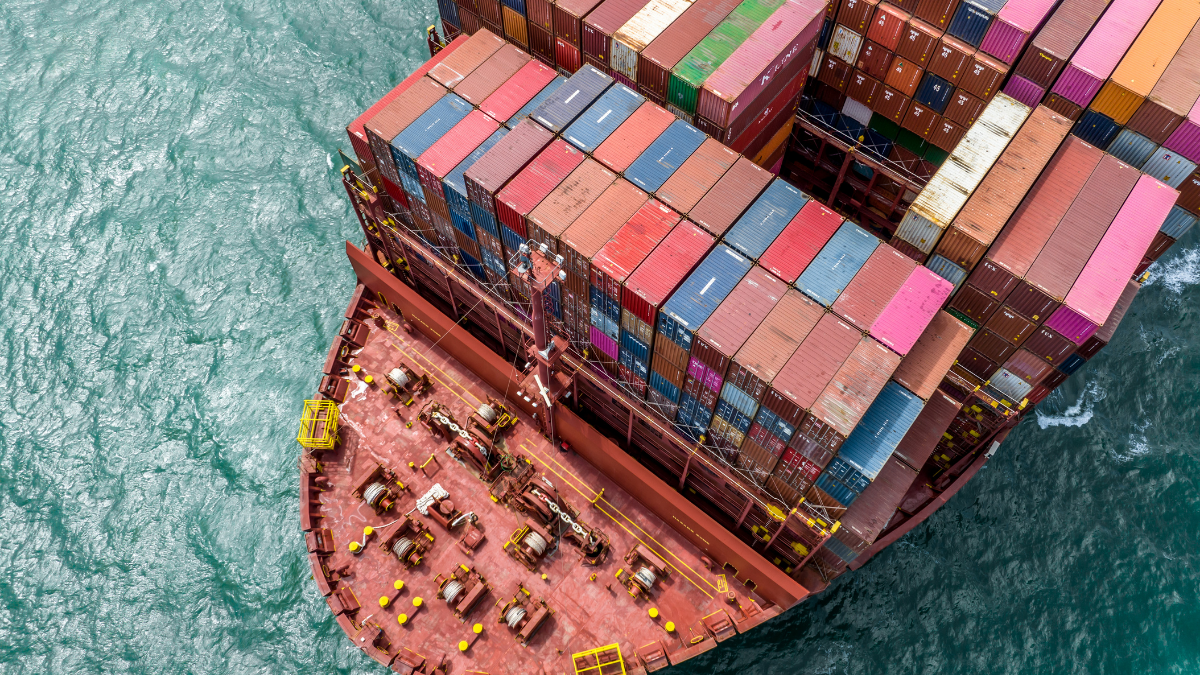

UAE-based remittance and cargo firm Pinas Express has informed customers that a vessel carrying its March 3 shipment — stranded for months by the Strait of Hormuz crisis — has been officially rerouted to Sharjah Port, with a tentative departure scheduled for July 7.

In an advisory addressed to “kabayan,” the company said the shipment had been held up by what it called the “Strait of Hormuz contingency” before the rerouting decision. It cautioned that the July 7 timeline remains subject to confirmation and could change depending on port operations and vessel availability, and pledged to continue monitoring the consignment and issue further updates. Customers were directed to its toll-free line, 800-PINAS (74627).
The disruption traces back to one of the most severe maritime crises in recent history. Iran declared the Strait of Hormuz closed on February 28, 2026, at the outset of a conflict with the United States and Israel, threatening to attack vessels attempting to pass and later granting selective exceptions for ships from countries it considered friendly. The strait normally carries around a fifth of the world’s seaborne oil and a significant share of its liquefied natural gas, and it is the only sea route out of the Persian Gulf — making it, in the assessment of analysts, the single most consequential energy chokepoint on the planet.

For ordinary cargo bound for the UAE, the closure created a months-long bottleneck. Lloyd’s List Intelligence reported that more than 600 vessels, including over 300 tankers, were stranded in the Gulf at the height of the blockage. The International Maritime Organization said roughly 20,000 seafarers were affected across the region and announced an evacuation plan for around 11,000 of them. Filipino seafarers were among those caught up in the standoff; Iran agreed on April 2 to allow Philippine-flagged vessels and Filipino crew to cross the strait following talks.
The situation began to ease after the United States and Iran signed a memorandum of understanding on June 17 that called for reopening the strait toll-free for at least 60 days, lifting the US naval blockade, and clearing mines. The US ended its blockade on June 18, and commercial traffic resumed in the following days. But the recovery has been uneven. CNBC reported that industry executives expect clearing the backlog to take weeks, with naval forces needing to certify safe corridors and war-risk insurers needing to reinstate coverage before traffic normalizes. As of late June, the deep-water central channel remained closed pending mine clearance, and Iran’s Revolutionary Guard continued to assert control over which transit routes vessels may use — friction that has kept many shipowners cautious.
