



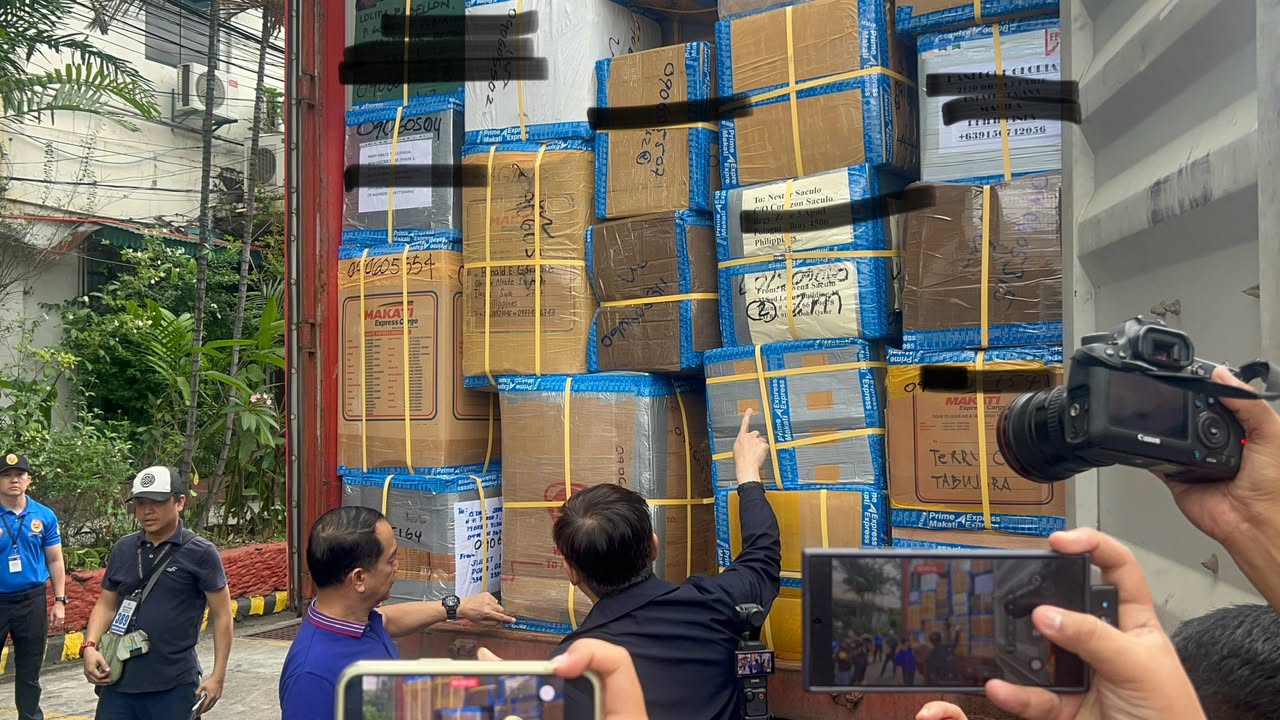

More than 42,000 balikbayan boxes belonging to overseas Filipino workers sat undelivered at Philippine ports because a number of freight forwarders never settled the port charges, duties and taxes owed once the shipments arrived, the Bureau of Customs has said.

The companies had already collected from the OFWs for the service. Customs Commissioner Ariel Nepomuceno put the total they took in at no less than P330 million — money charged specifically to cover the handling and release of the boxes, which left no reasonable excuse for the unpaid fees. He said he was dismayed to find the status of the stranded shipments still displayed on the forwarders’ own websites.
By the bureau’s account, the boxes piled up through a recurring scheme: foreign-based consolidators lured OFWs with unusually cheap rates and promises of quick door-to-door delivery, collected payment abroad, then shipped the boxes in bulk. Once the cargo reached Philippine ports, the required processing and payments — shipping line, arrastre, storage, and customs charges — went unsettled, and thousands of fully paid packages were eventually declared abandoned in favor of the government.
The largest single case centers on Makati Express Cargo Inc. On May 29, the BOC filed criminal complaints before the Department of Justice against the company and several of its officers over 117 containers holding roughly 36,826 boxes left unclaimed at the Manila International Container Port and the ports of Cebu and Davao between 2024 and 2025. The bureau had revoked the firm’s registration in January after it repeatedly failed to lodge goods declarations and claim its shipments within the prescribed period. Of those containers, around 16,431 boxes were bound for Cebu, about 19,671 entered through Manila, and roughly 724 arrived in Davao.

Nepomuceno said eleven forwarding firms in total are facing action, with cases built alongside the National Bureau of Investigation that include large-scale estafa and cybercrime violations. He said the government is also moving against the firms’ foreign-based partners through diplomatic channels, and that the licenses of the flagged companies have already been suspended pending the filing of charges.
To get the long-delayed boxes moving, the government waived the unpaid duties and port fees, while the Office of the President covered the cost of door-to-door delivery. The releases have run in batches across several ports since December 2025, clearing shipments that in some cases had been stranded for as long as two years.
To keep it from happening again, the BOC is moving to put in place a formal accreditation process for freight forwarders and deconsolidators for the first time, including a proposed P2-million cash bond the government could automatically draw on if a company fails to deliver an OFW’s box.
