




A post circulating on the Facebook community group “Bored Lawyer” has drawn attention for raising a question many returning travelers have run into at Philippine airports: why does the government’s eTravel registration form mark the middle name and family name as “optional,” and then create problems at immigration for passengers who leave those fields blank?

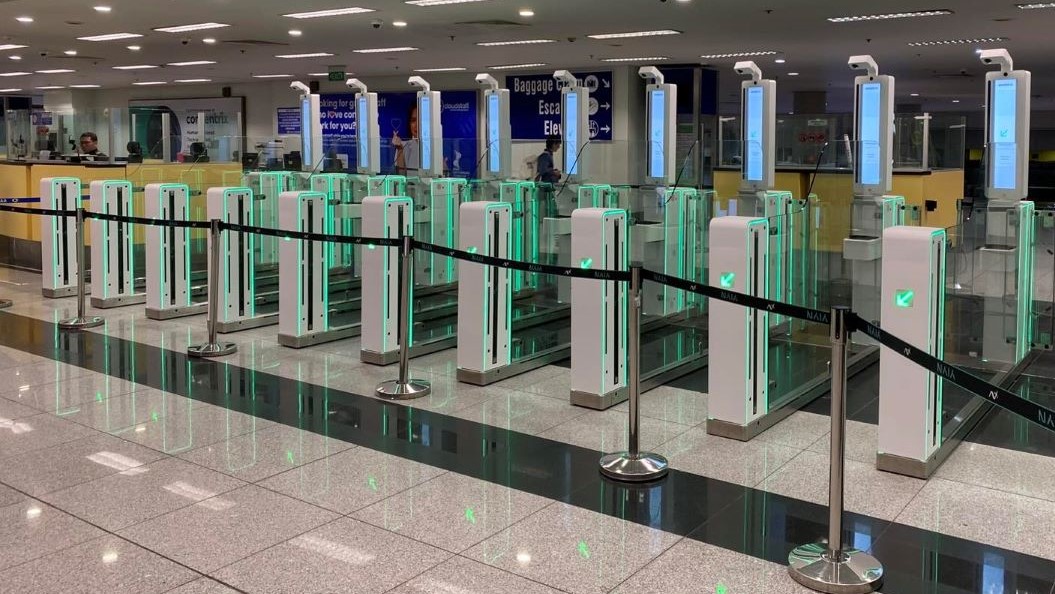
The author, who said she filled out the eTravel forms for her whole family, recounted being held up at the immigration counter on arrival because some of her relatives’ records did not display their middle names and family names. What confused her, she said, was that her own record had the same missing details yet cleared without issue, and one of her children passed through the e-Gates despite the identical gap. “If that’s true, why did my record appear? Why did my child’s record work?” she wrote, describing the inconsistency as the core of the problem.
The eTravel form does label several name fields as optional. On the registration screen, “Middle Name,” “Last Name” and “Suffix” each carry the parenthetical “(optional),” a design the post argues invites travelers to skip them. According to the author, an immigration officer explained that the “optional” tag was meant only for people who have no middle name — but she pointed out that the family name field is marked the same way, asking what kind of form labels a surname as optional.

The post also relayed that a supervising officer placed the blame on the Department of Information and Communications Technology, which built the platform, for the wording of the form, and reportedly suggested she file a complaint with the agency. The officer noted that frontline immigration personnel are the ones who absorb passengers’ frustration over the issue.
eTravel is the Philippine government’s unified electronic travel declaration system, administered by the Bureau of Immigration together with the DICT, the Bureau of Quarantine, the Department of Tourism and other agencies. It replaced the old paper arrival and departure cards and is mandatory for arriving and departing travelers, with registration done free of charge at etravel.gov.ph. The system consolidates immigration, health and customs data into a single QR code scanned at the country’s ports of entry and exit.
The complaint touches a recurring tension in international travel: even when a form treats a name field as optional, mismatches between travel records and passport details can trigger added scrutiny at the border. The author’s account ended on the unevenness she experienced firsthand — one passenger cleared, another stopped, on the same information — and her contention that the rules appeared to shift depending on which machine or officer did the processing.
