




Small-business dreams are taking root for thousands of Filipinos who once worked abroad, as government aid flows into reintegration efforts at home.

The Department of Migrant Workers (DMW) has channeled PHP13.76 million in livelihood support to overseas Filipino workers who have come back to the country, according to figures the agency shared in a Wednesday evening statement reported by the Philippine News Agency. The assistance falls under the National Reintegration Network (NRN), a coordinated effort drawing in several government bodies.
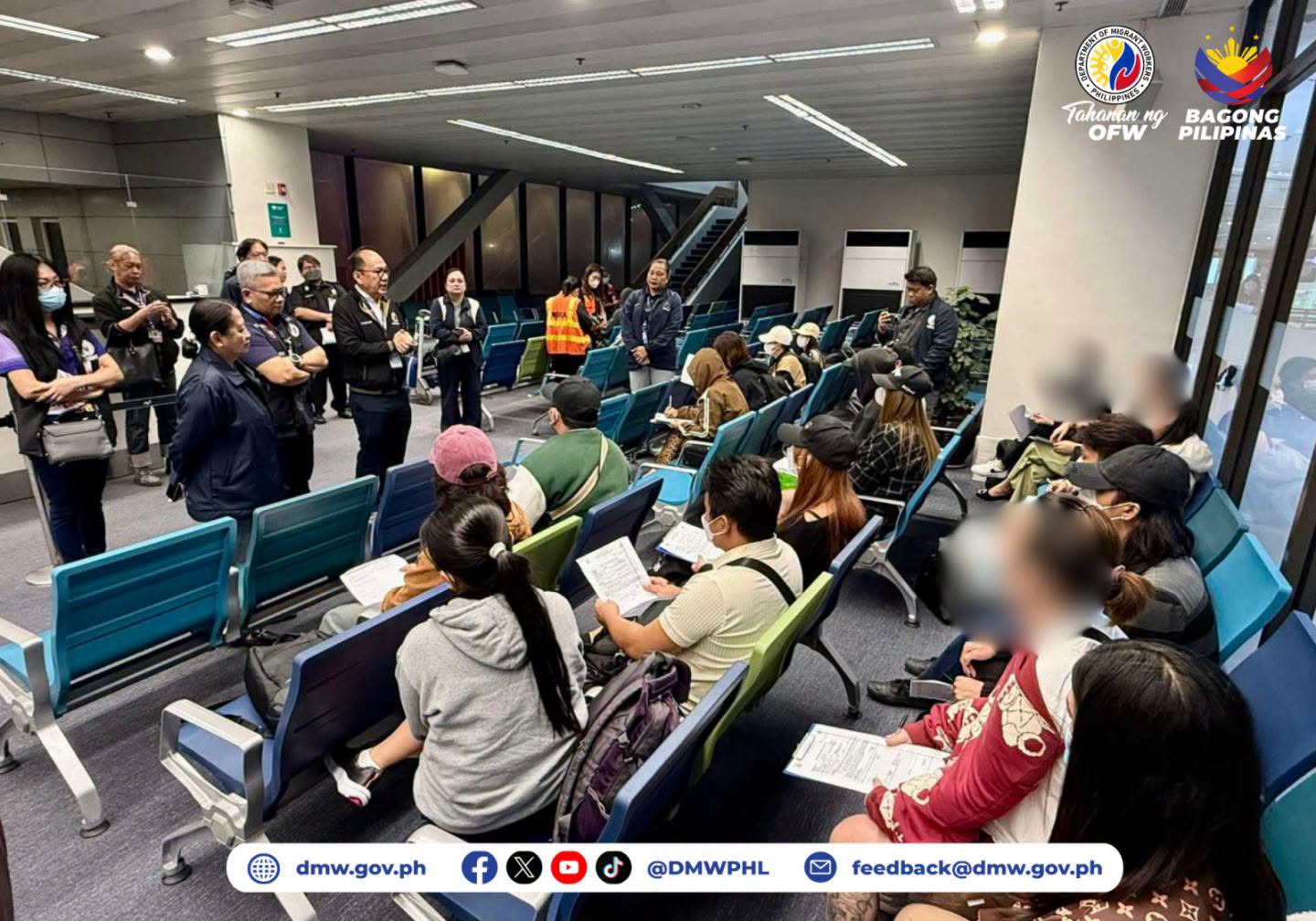
Records dated June 8 show that 5,769 workers have tapped the program so far. The bulk of these recipients—5,013—were former OFWs, while the remaining 756 had been recently repatriated.
Beneficiaries who intend to launch their own ventures were the focus of the livelihood grants, giving them a financial footing to establish lasting enterprises after years of employment overseas.
The DMW framed the effort as a presidential mandate. “Alinsunod sa direktiba ni Pangulong Ferdinand R. Marcos Jr., patuloy na isinasagawa ng DMW, kasama ang iba’t ibang ahensiyang bahagi ng NRN, ang komprehensibong pagsuporta sa trabaho, kabuhayan, at kapakanan ng ating mga kababayang OFW na nais manatili at magsimula muli sa Pilipinas,” the agency stated.
Money alone is not the extent of the support. Returning workers and their relatives who express interest in entrepreneurship are walked through training designed to ready them for running a business. Those leaning toward jobs within the Philippines—or even another stint abroad—are not left out, with assistance tailored to their plans as well.

The scope of the NRN reaches beyond grants. Built as a multi-agency undertaking under DMW leadership, it folds together livelihood aid, employment placement, skills development, and welfare services for workers settling back into life at home.
By the agency’s count, 28,361 individual services have been rendered, spanning job matching, referrals, training vouchers, scholarships, and welfare assistance. Job-matching activities alone reached 2,467 people, with 226 local firms and 104 private recruitment and manning agencies joining in.
Skills development figured heavily in the rollout. As of May 31, some 837 training vouchers and scholarships had gone to 1,605 domestic workers, who were profiled and forwarded for training alongside the Technical Education and Skills Development Authority.
Welfare needs received attention too: 690 newly repatriated workers went through the Kalinga: Post-Repatriation Orientation Seminars, which offer psychosocial and welfare support.
Local job placement leaned on partnerships across the bureaucracy. The Department of Labor and Employment accounted for 1,805 referrals, followed by 656 through the Department of Tourism, 383 via the Department of Health, 151 from the Department of Public Works and Highways, and 18 through the Department of Education.
