





Some children are written off before they ever get a fair chance — labeled, sorted, and quietly set aside as the ones who simply can’t keep up. Gerald P. Bansag has spent the better part of four years in a Jacksonville classroom proving that label wrong, one reading gain at a time. The 41-year-old Filipino educator now teaches Exceptional Student Education at Duval County Public Schools in Florida, working with students whose learning needs once made them easy to overlook.

It’s a long way from Cadiz City, Negros Occidental, where he grew up.
From a public school in Negros to a classroom in Florida
Gerald’s story begins in a humble household where education was treated as the surest way forward. He attended public schools through high school before earning his education degree from a state university, then spent eleven years teaching elementary mathematics under the Department of Education. He was good at it — good enough to be named a Math Coordinator, and to take on the work of trainer, coach, and mentor for students competing at local, national, and international levels.

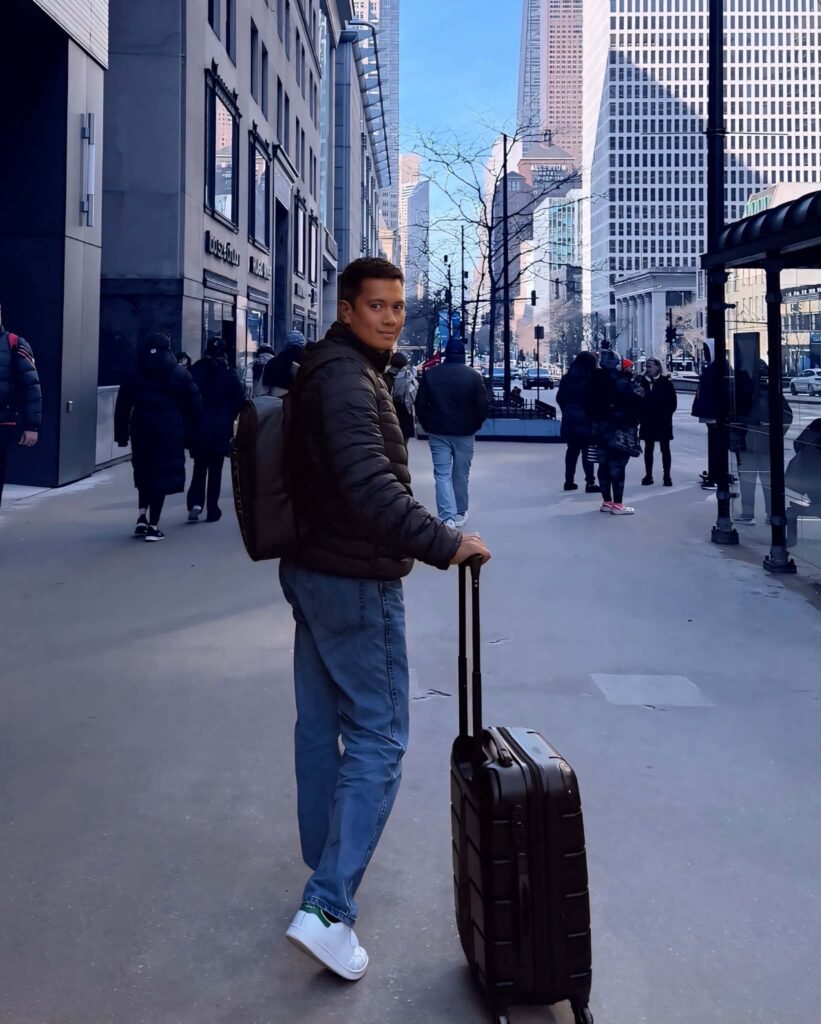
By most measures, he had built a stable and respected career at home. So the decision to leave it behind in 2022, at the age of 37, was not about escaping something that wasn’t working.
“While financial stability was one factor, my primary motivation was personal and professional growth,” he shares with TGFM. “I wanted to challenge myself, embrace new experiences, and represent the excellence of Filipino educators on a global stage.”
He arrived in the United States as a J-1 Exchange Teacher. What he may not have anticipated was that the move would also change the kind of teacher he was.
The shift from numbers to needs
For more than a decade, Gerald’s professional identity had been wrapped up in mathematics — competitions, coaching, the measurable thrill of a correct answer. His first overseas role placed him somewhere unfamiliar: Exceptional Student Education, working with students with disabilities and diverse learning needs.
The change turned out to be more than a job reassignment. “This shift allowed me to discover a deeper passion for helping learners overcome challenges and achieve success despite their disabilities,” he says. The classroom metrics looked different now. Success was no longer a trophy from a competition but a child reading at a level they had been told was beyond them.

That work has been recognized formally. Gerald was credited with helping raise the reading gains of students in Special Education — the kind of result that rarely makes headlines but reshapes a young person’s entire trajectory. “Every small achievement of my students is a victory worth celebrating,” he says. “The most rewarding part of my job is seeing students gain confidence, develop independence, and accomplish things that they once thought were impossible.”

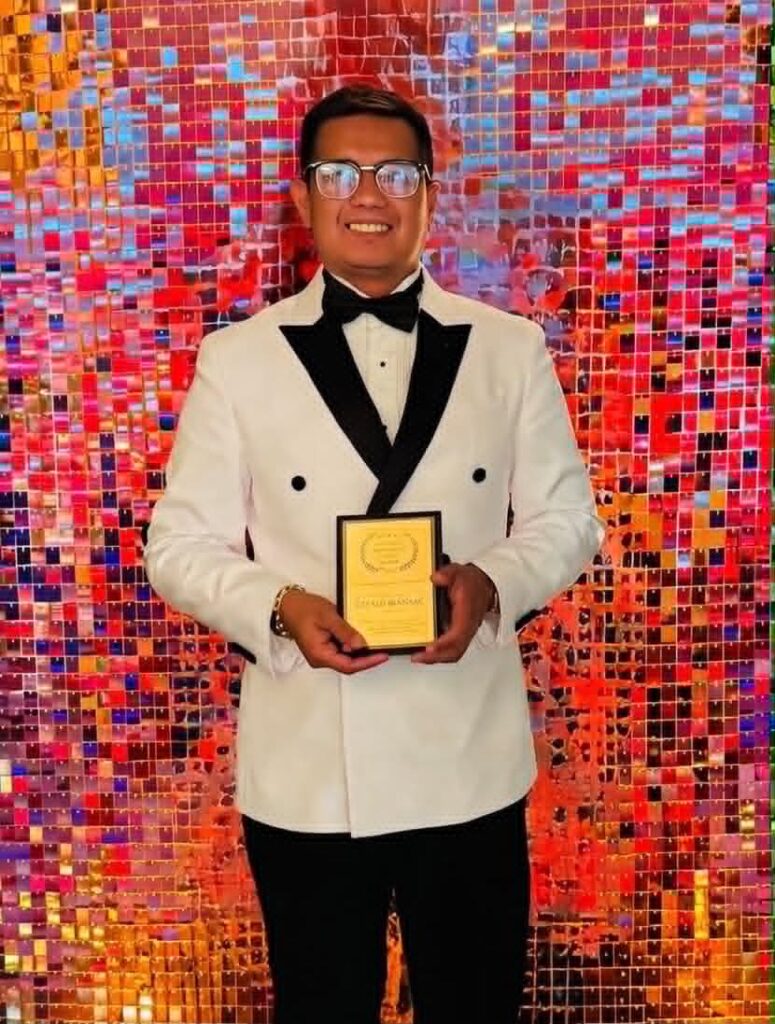
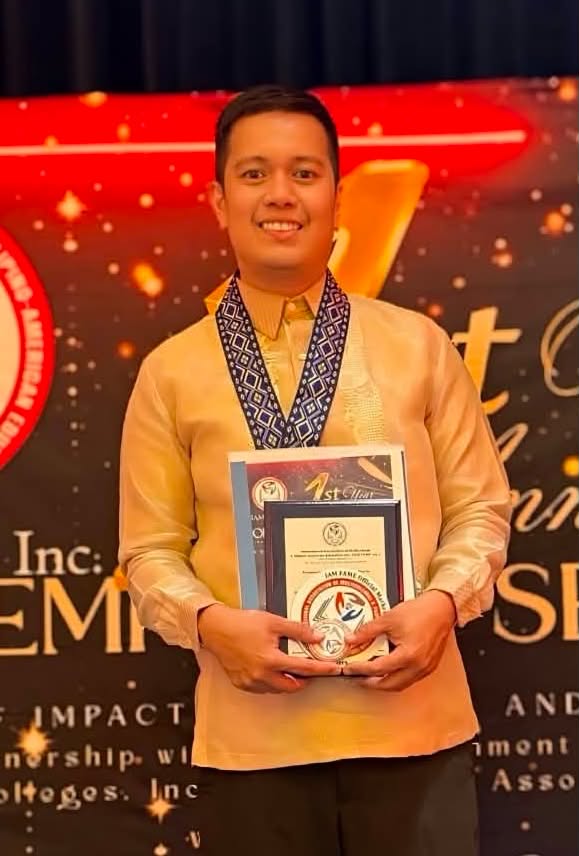
His contributions have earned him a Pillar of Excellence Award in New York and a Filipino Diaspora Educator Award in Chicago, recognition that extends beyond his own classroom and into the broader community he serves.
The year nobody warns you about
The version of this story that fits neatly on an awards certificate leaves out the first year. Gerald is candid that the transition abroad was hard in ways that had nothing to do with teaching ability.
“There were moments of self-doubt and loneliness, especially during my first year,” he says. Homesickness, cultural adjustment, and an unfamiliar educational system arrived all at once. He credits faith, perseverance, and a support network of friends, family, and fellow Filipino educators with getting him through, along with mentors who had already walked the same path.
That experience left a mark on how he spends his time now. Gerald mentors newly arrived Filipino J-1 teachers, helping them navigate the same disorientation he once felt. He also serves as President of the Florida Chapter of IAM FAME, Inc. — the International Association of Multicultural and Filipino-American Educators — where he helps organize educational programs, webinars, fellowship activities, and community outreach. The loneliness of that first year became, in effect, the reason he works to make sure others feel less alone.
What he wants other kababayans to hear
Ask Gerald what he would tell other Filipinos struggling abroad, and his answer circles back to where he started. “Always remember why you started your journey,” he says. “There will be challenges, disappointments, and sacrifices, but never lose sight of your goals.”
He talks about continuous learning, managing finances wisely, and choosing people who inspire and support you. But the line he returns to is about staying grounded. “Stay humble, maintain your integrity, and never forget your roots,” he says. “Success is not measured solely by what you achieve for yourself but also by how many lives you uplift along the way.”
It’s a philosophy he traces to a simple guiding mantra: “Bloom where God plants you and be a blessing wherever you go.”
Looking ahead, Gerald plans to pursue a doctorate in Special Education and to expand programs supporting Filipino educators worldwide through IAM FAME. The goal, as he describes it, is less about climbing than about lifting — empowering teachers, promoting professional growth, and opening doors for the next generation.
For him, the work has always meant more than a paycheck in another country. “Being a Filipino educator abroad is more than simply working in another country,” he says. “It is about carrying the values, resilience, and excellence of the Filipino people wherever we go.” Four years in, the children who were once easy to overlook are the clearest evidence of what that looks like in practice.
